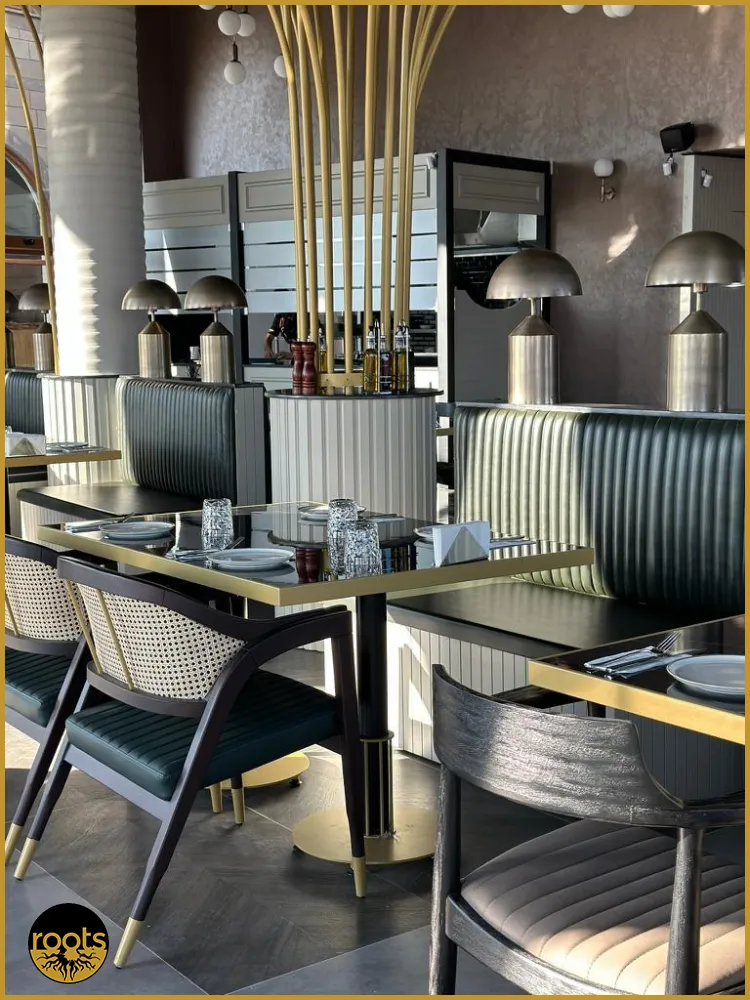
Architectural Restaurant Design and Interior Strategies
The success of a restaurant is directly related not only to the quality of the menu it offers but also to the physical experience it provides to its guests. Architectural restaurant design goes beyond the aesthetic appearance of a space; it is a professional discipline that combines operational efficiency, customer comfort and brand identity. A well-planned restaurant interior design aims to optimize the time guests spend in the space, their consumption habits and their loyalty to the business.
What Does the Design Process Cover and Why Is It Important?
A professional design process begins with analyzing the current structural condition of the space. In this process, not only where the tables will be placed but also technical details such as kitchen flow, ventilation capacity, acoustic arrangements and lighting scenarios are addressed. A good design meets the following basic needs:
- Circulation Planning: It provides a layout in which waiters and customers can move without bumping into each other and the distance between the kitchen and the service area is optimized.
- Ambiance and Psychology: Through color choices and lighting levels, goals such as making customers feel comfortable or encouraging fast circulation (fast-food) are achieved.
- Functionality: The layout of kitchen equipment and the efficiency of storage areas reduce operating costs in the long term.
Material Selection and Comparison in Restaurant Design
The materials used determine both the durability and the cost balance of the space. When selecting materials in restaurants, which are areas of intensive use, hygiene standards and wear resistance must be taken into consideration.
| Material Type | Durability Level | Area of Use | Cost Axis |
|---|---|---|---|
| Natural Wood | Medium (Requires Maintenance) | Interior / Furniture | High |
| Industrial Metal | Very High | Exterior Facade / Details | Medium - High |
| Ceramic / Porcelain | High (Easy to Clean) | Floor / Kitchen Walls | Medium |
| Composite Panels | High | Exterior Architecture / Decoration | Low - Medium |
Things to Consider Before Making a Design Decision
Evaluating the following criteria before receiving an interior architecture service or starting the project will accelerate the return on investment:
- Target Audience Analysis: Does your design appeal to an audience looking for "fine dining" or to an audience that will eat quickly and leave?
- Ergonomics: Every detail, from chair heights to table widths, directly affects customer comfort.
- Lighting Strategy: The use of natural light and the balance of artificial light in the evening hours determine the spirit of the space.
- Ventilation and Air Conditioning: Ensuring that kitchen odors do not leak into the dining area and that the indoor temperature remains constant is a critical success factor.
What Is the Difference from Alternative Approaches?
The main difference between a standard decoration work and architectural restaurant design is the "holistic approach." While a simple renovation aims only at visual change, in architectural design the technical infrastructure (electricity, water, ventilation) is synchronized with aesthetic touches. This approach prevents technical problems and additional costs that may be experienced after the business opens.
Frequently Asked Questions
In Conclusion, the Value of the Investment
Restaurant interior designs are not an expense item but a long-term investment. A correctly structured architectural project increases the working performance of the staff, reduces operational errors and, most importantly, raises the brand's competitive power by creating an unforgettable experience for customers. Professional support enables the business owner to combine their dreams with technical realities and create a sustainable and profitable commercial space.











































































