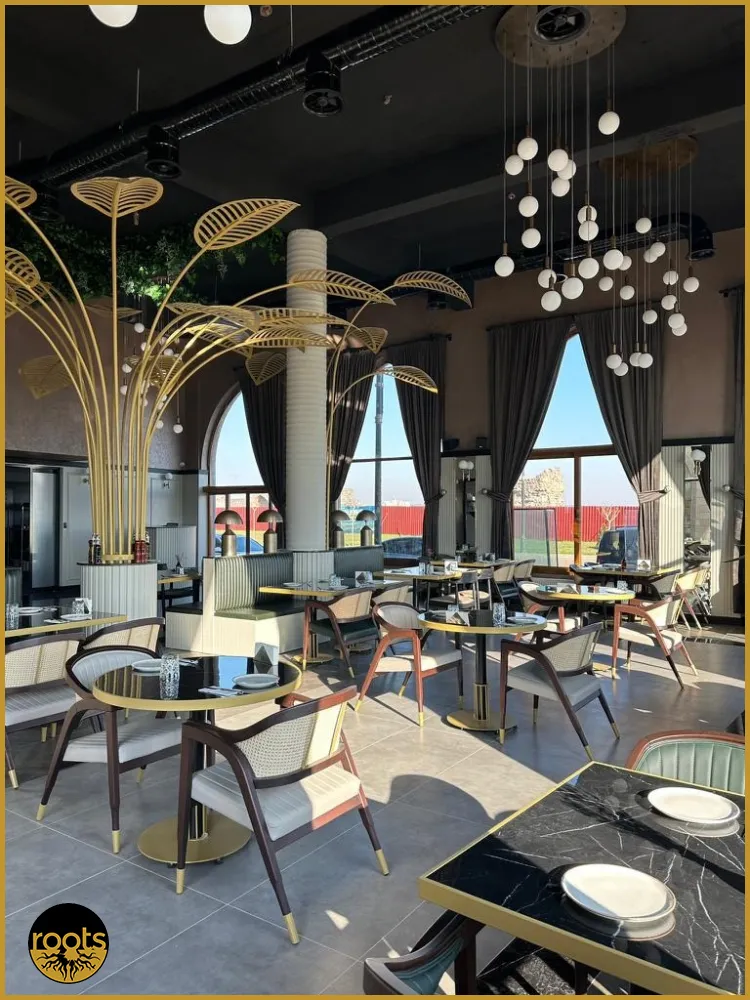
Architectural Restaurant Design: Successful Spaces from Concept to Implementation
The success of your restaurant is directly related not only to the flavors you offer but also to the atmosphere you create. **Architectural restaurant design** is a critical element that defines the identity of the space, enriches the customer experience and reflects your brand's values. Restaurant interior designs, when planned correctly, offer both an aesthetic visuality and increase operational efficiency.
Why Is Restaurant Design Important?
A successful restaurant design impresses your guests from the very first moment. The space tells the story of a restaurant. The right lighting, color palette, furniture selection and floor plan ensure that the customer feels comfortable. This means longer stays, more orders and positive feedback.
What Elements Does Comprehensive Restaurant Design Include?
Restaurant design is not just about decoration. A comprehensive design process includes the following elements:
- Concept Determination: Creating a concept suitable for your restaurant's type (fine dining, bistro, cafe, fast food, etc.), target audience and the message you want to convey.
- Spatial Planning (Layout): Optimizing customer flow and efficiently placing areas such as the kitchen, service area, seating arrangements and restrooms.
- Interior Architecture and Decoration: Creating the atmosphere of the space with colors, materials, lighting, furniture selection, wall decorations and artistic elements.
- Lighting Design: Creating the desired effect with general lighting, accent lighting and ambient lighting.
- Material Selection: Selecting the right materials by considering factors such as durability, aesthetics, cost and ease of maintenance.
- Acoustic Arrangement: Creating a sound environment where customers can converse comfortably, but noise is not disturbing.
- Technological Integration: Making technologies such as sound systems, POS terminals and smart lighting systems a part of the design when necessary.
Who Is Restaurant Design Suitable For?
Architectural restaurant design and interior arrangement are suitable for the following situations:
- Entrepreneurs considering opening a new restaurant.
- Operators who want to modernize or renovate the concept of their existing restaurant.
- All restaurant owners who want to increase customer satisfaction and brand perception.
- Businesses that want to stand out in a competitive market.
Which Needs Does It Meet?
Effective restaurant design meets various needs:
- Aesthetic Need: Creating a striking, inviting and memorable space.
- Functional Need: Facilitating customer flow, increasing the efficiency of service staff and optimizing operational processes.
- Psychological Need: Ensuring that guests feel comfortable, safe and pleasant.
- Brand Need: Reflecting the restaurant's identity, values and the experience it offers onto the space.
- Commercial Need: Attracting more customers, increasing customer loyalty and raising revenue potential.
In Which Situations Should You Invest in Restaurant Design?
Investing in restaurant design will be a strategic decision, especially in the following situations:
- Inadequacy of the Existing Space: When an old, outdated or non-functional space needs to be revised.
- Concept Change: When there is a change in the restaurant's menu, target audience or overall vision.
- Increasing Competition: When competition in the area increases and there is a need to stand out.
- Negative Customer Feedback: When continuous negative feedback is received about the atmosphere or operation of the space.
- Brand Strengthening: When you want to strengthen corporate identity and draw a more professional image.
Advantages of Restaurant Design Compared to Alternatives
Restaurant design is a much more comprehensive approach than random decoration or using the space as it is. Here are its main advantages:
- Professional Approach: The design process is carried out by experts who combine aesthetics and functionality.
- Customer Focus: The space is designed by analyzing the expectations and behaviors of the target audience.
- Long-Term Solutions: It offers a long-lasting solution with durable materials and ergonomic designs.
- Optimum Space Utilization: Every square meter of the space is planned to be used in the most efficient way.
- Brand Consistency: It offers a holistic experience compatible with the restaurant's identity.
Things to Consider in Material Selection
One of the most important factors determining the atmosphere and durability of your restaurant is material selection. The usage areas, durability and costs of different materials vary.| Material Type | Durability | Indoor Use | Outdoor Use | Average Cost (Relative) |
|---|---|---|---|---|
| Natural Wood | Medium (Depends on processing and maintenance) | High (Table, chair, floor, wall cladding) | Low (Sensitive to weather conditions if untreated) | Medium - High |
| Natural Stone (Marble, Granite) | Very High | High (Countertop, floor, wall cladding) | High | High |
| Ceramic and Porcelain Tile | High | Very High (Floor, wall, countertop) | High (Special series are suitable for outdoor use) | Low - Medium |
| Metal (Stainless Steel, Iron) | Very High | High (Table legs, lighting, accessories) | Medium - High (May require treatment against corrosion) | Medium - High |
| Concrete (with Polyurethane Coating) | High | High (Floor, wall, table surfaces) | Medium (Waterproofing is important) | Low - Medium |
| Glass | Medium (Tempered glass should be preferred against the risk of breakage) | High (Tabletops, dividers, decorative elements) | Low | Medium |
Frequently Asked Questions
What style of design should I choose for my restaurant?
Why is the design of the kitchen and service area important?
How effective is lighting in a restaurant?
How should budget management be handled in restaurant design?
Things to Consider Before Purchasing
Paying attention to the following points before deciding to work with a restaurant designer or project will help you make the right choice:
- Portfolio Review: Review the designer's previous restaurant projects and style. Check whether they have projects that suit your concept.
- Reference Check: If possible, obtain references from clients the designer has previously worked with.
- Communication and Understanding: It is important how well the designer understands your vision and how well they meet your expectations. Establishing a good channel of communication is critical for the success of the project.
- Proposal and Contract: Obtain a detailed proposal and make sure that the services offered, delivery dates and payment terms are clearly stated in the contract.
- Regulations and Permits: Make sure that planning is carried out to ensure the design process complies with local regulations, construction permits and health standards.
- Flexibility: Unexpected situations may arise during the design process. Observe how flexible and solution-oriented the designer is in the face of such situations.
A successful architectural restaurant design is one of the most valuable investments in your business's future. With the right planning, professional support and aesthetic understanding, your space will become a point of unforgettable experience for your guests.











































































