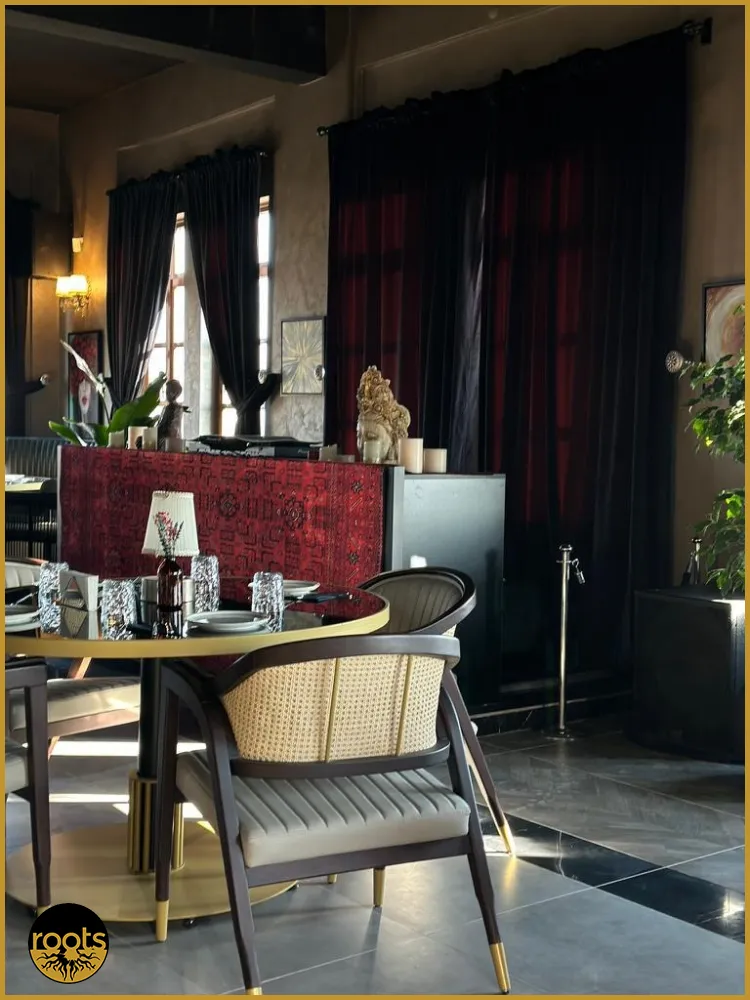
Architectural Restaurant Design and Interior Strategies
The success of a restaurant is directly related to the spatial experience it offers its guests, beyond the flavors it serves. Architectural restaurant design does not pursue only an aesthetic concern; it is also a complex engineering and art discipline that optimizes operational efficiency, staff flow and customer psychology. A correct interior design is the most powerful marketing tool that reflects the identity of a business.
Why Is Restaurant Interior Design Important?
Restaurant designs are one of the fundamental factors that determine the commercial sustainability of a venue. A well-constructed layout shortens the distance from the kitchen to the table for waiters, accelerating service. At the same time, correct lighting and acoustic solutions affect the time customers spend in the venue and their potential to return. The balance between functionality and visuality determines the power of the restaurant to appeal to its target audience.
Who Is It Suitable For and Which Needs Does It Meet?
Architectural design services appeal to a wide audience, from entrepreneurs who will open a new business to experienced operators who want to modernize their existing venue. A professional interior design becomes a necessity especially in the following situations:
- Concept Change: Situations where the existing culinary culture or target audience changes.
- Operational Bottlenecks: Chaos in kitchen and service areas reducing customer satisfaction.
- Creating Brand Identity: The need to achieve a standard visual language in franchising processes.
- Increasing Venue Capacity: Optimizing seating capacity by using the existing square meters more effectively.
Material Selection and Durability in the Design Process
Restaurants are areas with heavy human traffic where cleaning chemicals are used frequently. For this reason, material selection requires an analysis focused on both aesthetics and cost. The following table presents the characteristics of frequently preferred material types in a comparative manner:
| Material Type | Durability | Area of Use | Cost Axis | Maintenance Requirement |
|---|---|---|---|---|
| Natural Stone (Marble/Granite) | High | Floor, Countertop | High | Medium (Requires polishing) |
| Industrial Metal | Very High | Kitchen, Decorative Details | Medium-High | Low |
| Solid Wood | Medium | Furniture, Wall Panel | High | High (Periodic maintenance) |
| Ceramic / Porcelain | High | Wet Areas, Floor | Economical / Medium | Very Low |
| Composite Panels | Medium | Ceiling, Decorative Cladding | Economical | Low |
Things to Consider Before Purchasing and Implementation
Considering the following criteria before receiving a design service or moving to the implementation phase minimizes long-term costs:
- Legislation and Regulations: Compliance with fire exits, disabled access and hygiene certificates must be planned from the outset.
- Lighting and Acoustics: The noise level and light color of the venue directly affect the dining experience. A venue with echo can cause customer loss.
- Kitchen and Dining Area Balance: How much of the total area will be allocated to the kitchen and how much to guests should be optimized according to the menu content.
- Future Vision: It should be analyzed whether the selected materials and design will remain up to date for 5-10 years.
Frequently Asked Questions
Question 1: How should color selection be in restaurant design?
Answer: Colors affect appetite and time perception. For example, warm colors (red, orange) stimulate appetite and are used in fast-food venues to accelerate circulation. In fine-dining venues, darker and more sophisticated tones are preferred to increase the feeling of comfort.
Question 2: How long does it take to renovate an existing restaurant?
Answer: This period depends on the size of the venue and the depth of the intervention to be made. While a purely decorative renovation takes 2-4 weeks, structural changes and infrastructure renewals may require a schedule of 2-4 months.
Question 3: How is a sense of spaciousness achieved in small-square-meter restaurants?
Answer: Light color palettes, the strategic use of mirrors, vertical storage solutions and modular furniture make small spaces look more functional and larger.
In conclusion, restaurant interior designs should be addressed as a whole. Architectural planning should analyze not only the visuals but every detail, from ventilation systems to kitchen workflow. A correctly analyzed space is the most lasting investment that lowers operating costs while raising brand value.











































































