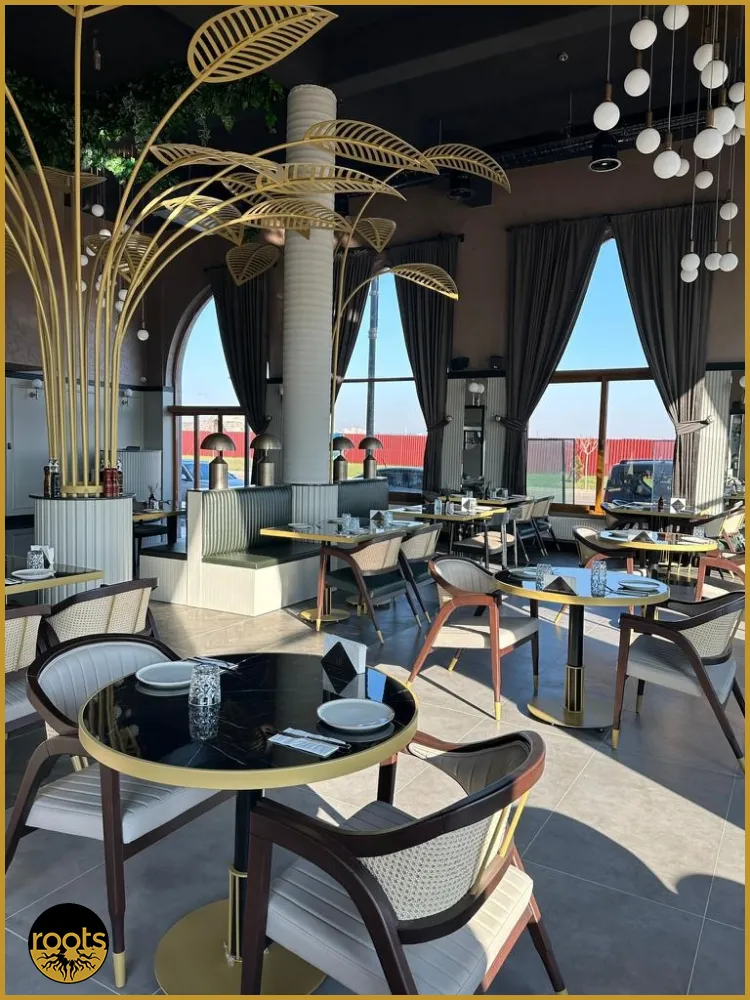
Restaurant Design: Transform Your Space into a Differentiating Experience
The success of a restaurant is not limited to the flavors it offers; the atmosphere and experience the space provides also play a critical role in customer satisfaction and loyalty. Architectural restaurant design is the process of creating a functionally and aesthetically superior environment that reflects the identity, concept and target audience of a dining venue. This process requires planning and implementation far deeper than merely painting walls or placing furniture.
Why Is Restaurant Design Important?
- First Impression and Brand Identity: The first moment customers step into the space creates an important opinion about their overall experience. Design visually communicates your brand's values, quality and the type of service it offers.
- Customer Experience and Comfort: Comfortable seating arrangements, adequate lighting, acoustic arrangement and smooth circulation areas ensure that customers have an enjoyable time.
- Operational Efficiency: A well-designed kitchen, service areas and customer paths allow staff to work faster and more effectively, which increases service quality.
- Competitive Advantage: An original and striking design helps you stand out from your competitors and attract the interest of your target audience.
- Maximum Space Utilization: Evaluating every corner of the space in a functional and aesthetic way can increase potential revenue.
What Does Restaurant Design Include?
A comprehensive restaurant design meticulously addresses the following elements:
- Concept Determination: Determining the target audience of the space, the type of cuisine it will offer and the overall atmosphere. (E.g.: Luxury fine dining, casual cafe, themed restaurant, bistro, etc.)
- Spatial Planning and Layout: Placing all areas such as the kitchen, service areas, seating arrangements, restrooms, entrances and exits in the most efficient way.
- Interior Design and Decoration: Determining aesthetic elements such as color palette, material selection, lighting, furniture selection, accessories and planting.
- Lighting Design: Creating the desired atmosphere with general lighting, task lighting and accent lighting.
- Acoustic Design: Using sound insulation and absorbent materials to reduce disturbing noise and provide a pleasant listening environment.
- Ergonomics and Usability: Producing comfortable and functional solutions for both customers and staff.
- Material Selection: Determining the most suitable materials in terms of durability, aesthetics, ease of maintenance and cost.
Who Is It Suitable For?
Restaurant design services appeal to a wide audience, from entrepreneurs planning to open a new venue to business owners who want their existing venues renovated:
- Those Opening a New Restaurant / Cafe: Those who want to create a brand identity and space from scratch.
- Those Who Want to Renovate Their Existing Venue: Operators whose venue is aging, whose efficiency is declining or who want to change their concept.
- Restaurant Chains: Those who want to ensure brand consistency and create standard designs for new branches.
- Hotel and Resort Operators: Those who want to make the food and beverage areas within their establishments more attractive.
- Theme Parks and Entertainment Centers: Those who want original food and beverage areas designed in line with their concept.
Which Needs Does It Meet?
Professional restaurant design meets many fundamental needs:
- Increasing the Functionality of the Space: It optimizes all operational processes, from kitchen efficiency to customer flow.
- Raising Customer Appeal: An aesthetic and comfortable environment attracts more customers.
- Strengthening Brand Value: Original design reveals your brand's professionalism and difference.
- Compliance with Legal Regulations: Solutions compliant with legal requirements such as fire safety and accessibility standards are provided.
- Cost Optimization: With the right material selection and planning, maintenance and operating costs can be reduced in the long term.
In Which Situations Should It Be Preferred?
Investing in restaurant design is especially important in the following situations:
- Situations where your existing venue does not provide the desired atmosphere or functionality.
- If there is a lack of an attractive appearance that appeals to your target audience.
- If there is inefficiency in your staff's working areas.
- If you want to make a difference and stand out in a highly competitive environment.
- If you plan to enter the market with a new concept.
- If you are experiencing problems in the general flow of the space or in the customer experience.
Alternatives and Differentiation Points
Different approaches and service levels can be found in the restaurant design process:
- A Single Furniture Change: While making small updates in the space is a good start, it does not solve a comprehensive problem.
- Working with Construction Companies: They are generally construction-oriented and may not specialize in creating aesthetics and atmosphere.
- Designing on Your Own: Lack of experience and knowledge can lead to faulty decisions and increased costs.
- Professional Architectural Restaurant Design: This service addresses the entire process as a whole. It offers an approach based on scientific and aesthetic principles, extending from concept to construction management. By integrating the target audience's expectations, brand identity and operational requirements, it maximizes both visual appeal and functionality.
Points to Consider in Material Selection
The selection of materials used in restaurants is important in terms of durability, aesthetics, ease of maintenance and cost balance. Here are some commonly used material types:
| Material Type | Durability | Indoor Use | Outdoor Use | Cost (Average) |
|---|---|---|---|---|
| Natural Wood | Medium - High (with protection) | Very High (flooring, wall cladding, furniture) | Medium (with suitable varnish and protection) | Medium - High |
| Marble / Granite | High | High (countertops, flooring, walls) | Medium - High | High |
| Ceramic / Porcelain Tile | High | High (flooring, walls) | High (outdoor series) | Medium |
| Concrete / Exposed Concrete Effect | High | High (flooring, walls, ceilings) | Medium | Medium |
| Metal (Stainless Steel, Iron) | Very High | High (furniture, lighting, accessories) | High (with suitable coating) | Medium - High |
| Glass | Low - Medium (fragility) | High (glass partitions, table tops, decorative elements) | Medium (safety glass is preferred) | Medium - High |
Points to Consider Before Purchasing
When considering purchasing a restaurant design service, you should pay attention to the following points:
- Portfolio and References: Review the designer's or company's previous restaurant projects. Get an idea about the aesthetic quality, functionality and suitability of the spaces for their target audience.
- Experience and Expertise: It is important to work with a team experienced in the food and beverage sector and commercial spaces.
- Communication and Understanding: How well the designer or team understands your vision and needs is critical to the success of the project.
- Detailed Proposal and Contract: Make a written contract that clarifies the scope of service, delivery dates, payment plan and possible additional costs.
- Legal Compliance: Ensure that the design complies with the relevant regulations (fire safety, disabled access, etc.).
- Budget Management: Maintain effective communication throughout the process to stay faithful to the budget set at the beginning.
- Process Management: Obtain clear information about which stages the design will go through (concept, project, implementation).
Frequently Asked Questions
The length of the design period varies depending on the size and complexity of the space and revision requests. Generally, the concept development, project drawing and detailing stages can take from a few weeks to a few months. The implementation and construction process is added on top of this period.
Sustainability is important both for reducing environmental impact and for lowering operating costs in the long term. Elements such as energy-efficient lighting, using recycled or locally sourced materials, and choosing water-saving fixtures are part of sustainable design. In addition, healthy indoor air quality is also important for guests and staff.
The kitchen is the heart of the restaurant. Efficient kitchen design enables faster meal preparation, reduced food waste, staff safety, and optimized operational flow. Proper equipment placement, adequate work areas, and compliance with hygiene standards are essential for a successful kitchen.
Colors and lighting have a major impact on atmosphere, but they may not be enough on their own. Many factors such as furniture selection, material textures, acoustic arrangement, planting, artistic touches, and overall spatial layout come together to create the desired atmosphere. A professional designer integrates all these elements to create a consistent and impressive space.
In small spaces, the most important goal is to use the area with maximum efficiency. Open plan layouts, multifunctional furniture, vertical storage solutions, and a preference for light colors and a bright atmosphere make the space look larger and more spacious. Spatial planning is critically important here; every square centimeter should be used well.











































































