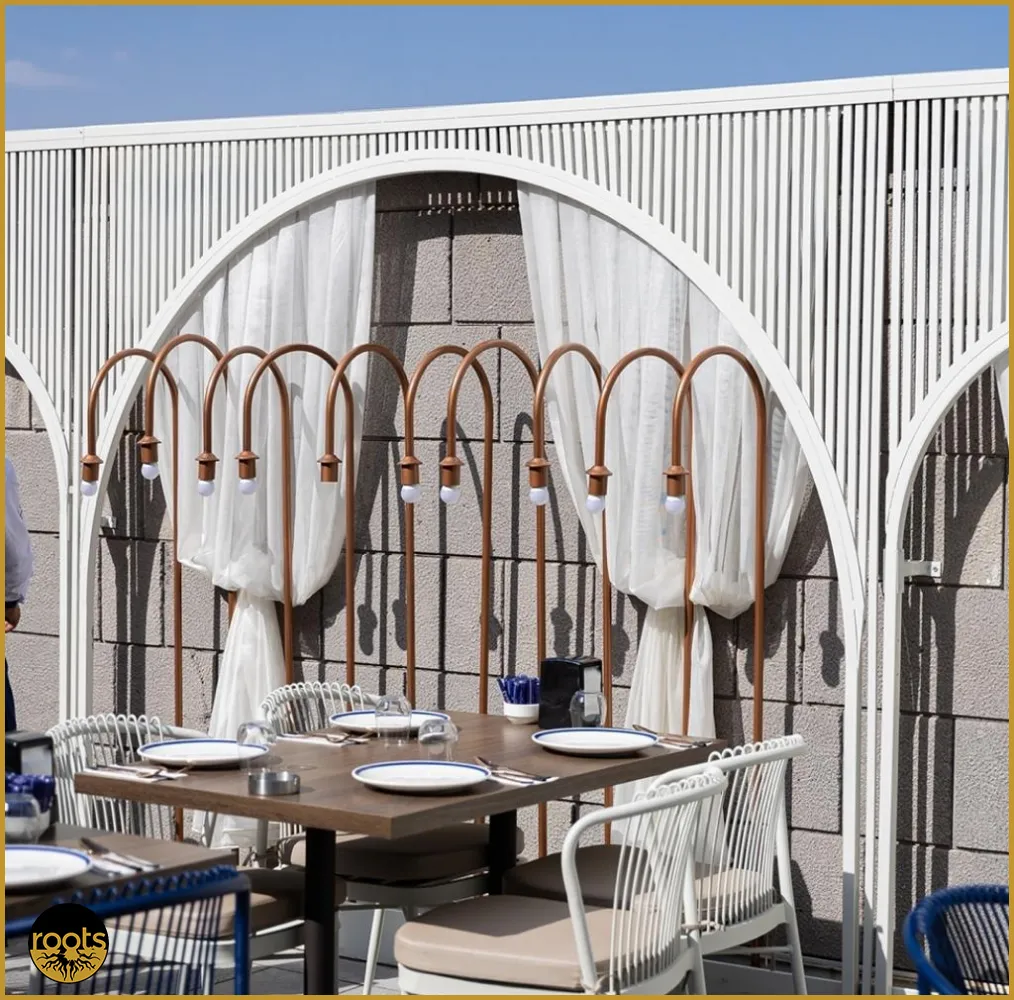
Architectural Restaurant Design: Where Aesthetics and Functionality Meet
The success of a restaurant depends not only on the quality of the dishes served but also on the power of the atmosphere in which guests feel themselves. Architectural restaurant design is a discipline that transcends the physical boundaries of a space and directly affects the brand's identity, operational efficiency and customer loyalty. A correct interior layout not only offers a visual feast; it also ensures that operational processes proceed smoothly.
Why Are Restaurant Interior Designs Important?
Restaurant designs reflect the "spirit" of a business. The first impression is the most critical factor determining how long a customer entering through the door will stay in the space and whether they will come again. A well-structured interior design meets the following basic needs:
- Acoustic Comfort: Creating an environment where customers can hear each other comfortably but are far from noise pollution.
- Ergonomics: Seating arrangements that neither restrict the mobility of employees nor offer maximum comfort to customers.
- Lighting Strategy: Plays of light that highlight the presentation of dishes and emphasize the depth of the space.
- Circulation Management: Managing waiter routes and customer passage areas without overlapping each other.
Material Selection and Durability in the Design Process
Restaurants are commercial areas with heavy human traffic. For this reason, the materials preferred must be long-lasting and easy to clean as well as aesthetically pleasing. In the table below, you can find a comparison of the types of materials frequently used in restaurant designs:
| Material Type | Durability | Area of Use | Cost Scale |
|---|---|---|---|
| Natural Wood | Medium (Requires maintenance) | Floor, Furniture, Wall Panel | High |
| Industrial Concrete / Microcement | Very High | Floor, Countertop | Medium |
| Porcelain Ceramic | High | Floor, Kitchen Walls | Economical / Medium |
| Stainless Steel | Highest | Open Kitchen, Bar Details | High |
| Acoustic Panels | Medium | Ceiling and Wall Coverings | Medium |
Factors That Distinguish Architectural Design from Its Alternatives
The biggest difference between an ordinary decoration work and a professional architectural restaurant design is technical depth. The architectural approach does not only deal with furniture placement; it addresses the space's ventilation (HVAC) systems, compliance with fire regulations and the kitchen-service balance as a whole.
A correct design should be preferred in the following cases:
- When the existing space is thought to be used inefficiently,
- When the brand image needs to be renewed (Re-branding),
- When operating expenses (energy, labor) are to be optimized,
- When the expectations of the customer base are built on an upper-segment experience.
Points to Consider in the Purchasing and Decision Process
Considering the following items before receiving a design service or moving to the implementation stage ensures that you get the return on your investment:
- Concept Integrity: Question whether the design is compatible with the menu content and kitchen culture.
- Budget Planning: Leave room not only for implementation but also for hidden costs (permits, technical infrastructure updates).
- Applicability: Analyze how sustainable and functional the visual on paper is in real life.
- References and Portfolio: Examine whether the team that will carry out the design has previous experience in similar commercial projects.
Frequently Asked Questions
Question 1: How should color selection be in restaurant design?
Answer: Colors affect appetite and time perception. For example, while warm tones (orange, red) stimulate appetite, dark anthracite and gold details are preferred for a modern and luxurious perception. In venues where fast turnover is desired, livelier color palettes should be used, while in "fine dining" venues, calmer color palettes should be used.
Question 2: Does lighting design affect food quality?
Answer: Absolutely. Incorrect lighting can make even the highest quality food appear unappetizing. The light used over the dining table should have a high CRI (color rendering index) value, so that the true colors of the food stand out.
Question 3: What should be focused on when designing a restaurant for a small space?
Answer: In small spaces, functional minimalism should be at the forefront. Light colors, the use of mirrors and vertical storage solutions make the space appear larger. Additionally, by choosing modular furniture, the space can be transformed according to needs.
In conclusion, a successful restaurant interior design is a flawless synthesis of artistic vision and technical requirements. Making user-friendly and sustainable choices that tell the story of your venue correctly will open the doors to long-term commercial success.











































































