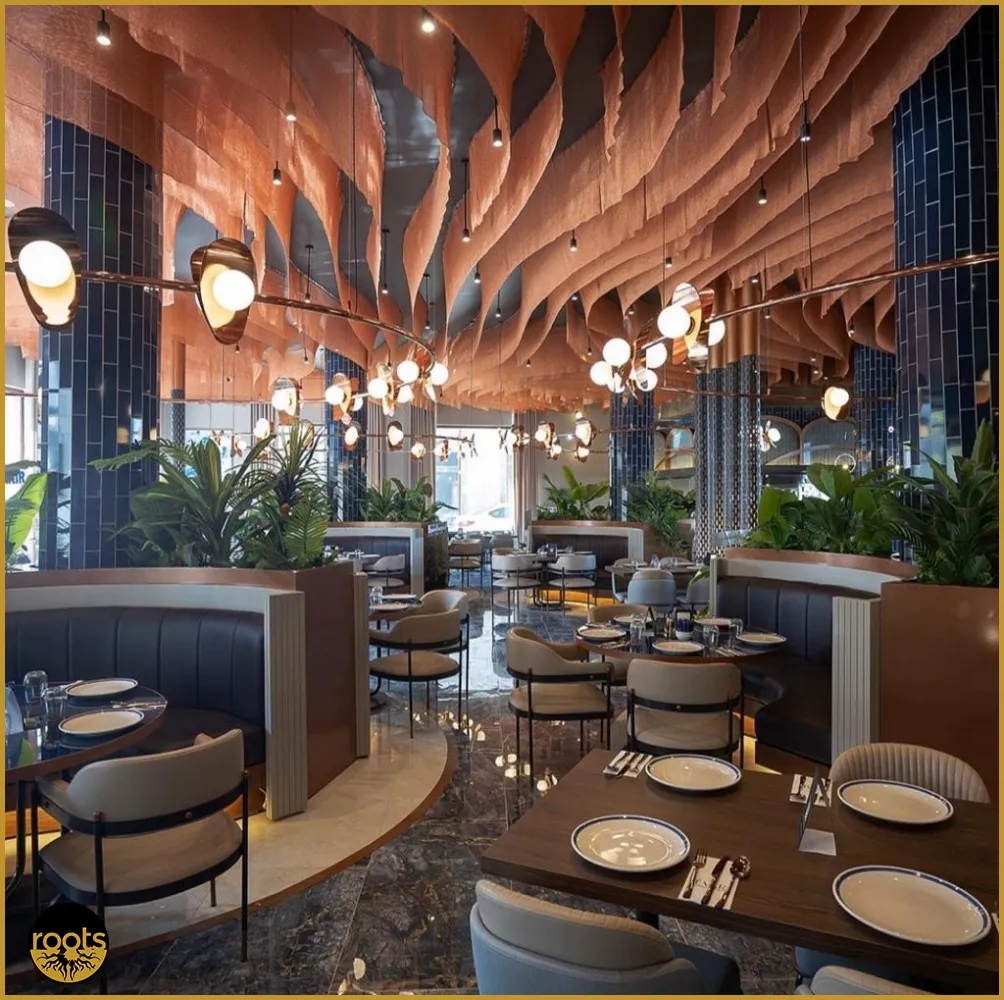
Architectural Restaurant Design: Create Your Space's Identity
The success of your restaurant is not limited to the flavors you offer. An architectural restaurant design that attracts your customers, offers them an unforgettable experience and reflects your brand's value will help you stand out in the competition. Interior design covers every detail, from the way you welcome your guests to the comfort of the table they sit at, from the atmosphere of the lighting to the texture of the materials used.
An effective restaurant design increases the functionality of the space while also offering aesthetic appeal. The right design optimizes customer flow, allows staff to work more efficiently, strengthens the ambiance and tells your brand's story. Customers perceive the space as part of their dining experience. Therefore, restaurant interior designs should reflect your brand's identity, your target audience and the experience you aim to offer.
Architectural restaurant design and professional interior designs are ideal for businesses in the following situations:
- Those planning to open a new restaurant, cafe or dining venue.
- Those who want to improve the atmosphere and functionality of their existing space.
- Businesses that want to reflect their brand identity more strongly.
- Those aiming to increase customer satisfaction and loyalty.
- Entrepreneurs who want to stand out in the competition by differentiating themselves.
A professional restaurant design meets various needs:
- Aesthetic Value: It positively affects customers' first impression by increasing the visual appeal of the space.
- Functionality: It ensures that areas such as the kitchen, service areas, seating arrangement and restrooms are efficient and ergonomic.
- Brand Identity: It creates an atmosphere suited to the restaurant's concept, menu and target audience.
- Customer Experience: It increases customer satisfaction with comfortable seating areas, appropriate lighting and acoustic arrangements.
- Legal Compliance: It offers a design that complies with legal requirements such as fire safety, disabled access and hygiene standards.
- Cost Efficiency: It can reduce operating costs with materials that provide energy savings in the long term and cleverly planned arrangements.
In the following situations, receiving a professional restaurant design service will be the right step:
- During the process of decorating or projecting the space for the first time.
- During the renovation stage of an existing restaurant.
- With the goal of renewing or strengthening brand identity.
- When there is a desire to realize a specific concept (for example, fine-dining, bistro, themed restaurant).
- When you think the space is not fully using its potential.
The choice of materials used in restaurant designs directly affects the overall appearance, durability and cost of the space. Here is a comparison of some commonly used material types:
| Material Type | Durability | Indoor Use | Outdoor Use | Cost (General) |
|---|---|---|---|---|
| Natural Stone (Granite, Marble) | Very High | Yes (Floor, Countertop, Wall) | Yes (Certain Types) | High |
| Wood (Solid, Veneer) | Medium - High (Depends on Treatment) | Yes (Furniture, Floor, Wall Cladding) | No (Limited with Special Treatments) | Medium - High |
| Ceramic and Porcelain | High | Yes (Floor, Wall) | Yes (Outdoor Ceramics) | Low - Medium |
| Concrete and Microcement | High | Yes (Floor, Wall, Countertop) | Yes | Medium |
| Metal (Stainless Steel, Iron) | Very High | Yes (Furniture, Lighting, Details) | Yes (With Suitable Coatings) | Medium - High |
| Glass | Medium (Potential for Fragility) | Yes (Partitions, Decorative Elements) | Yes (Safety Glass) | Medium |
A professional architectural restaurant design service differs from amateur approaches and standard solutions in the following ways:
- Custom Solutions: The unique characteristics of each space combine with the architect's experience to create original and functional designs.
- Expertise and Experience: Architects can see the potential of the space, analyze customer behavior, and offer the most accurate solutions with their years of experience.
- Holistic Approach: It does not pursue only aesthetic concerns; it also evaluates many factors together, such as ergonomics, accessibility, material knowledge, cost control and legal compliance.
- Technological Integration: They ensure the integration of technological elements such as lighting, ventilation and sound systems with the space in a harmonious and aesthetic way.
- Trend Tracking: By closely following architectural and design trends, they create designs that are both current and timeless.
Paying attention to the following points before starting a restaurant design project ensures that the process goes more smoothly and successfully:
- Determine a Clear Concept: You should have a clear idea of what style your space will have, whom it will appeal to and what atmosphere it will offer.
- Determine Your Budget: Make a realistic budget plan covering all items such as design, implementation and furniture.
- Review References: Review the designer's previous work and evaluate whether their style matches your vision.
- Communication and Clarity: It is important to be able to establish open and honest communication with the designer, to express your ideas clearly and to ensure that they are open to your feedback.
- Contract Details: Make sure that a clear contract is made regarding issues such as the scope of service, delivery dates, payment plan and revision rights.
- Legal Permits: Get information about the permits for which the design must be approved by the municipality and other relevant institutions, and learn how this process will be managed.











































































