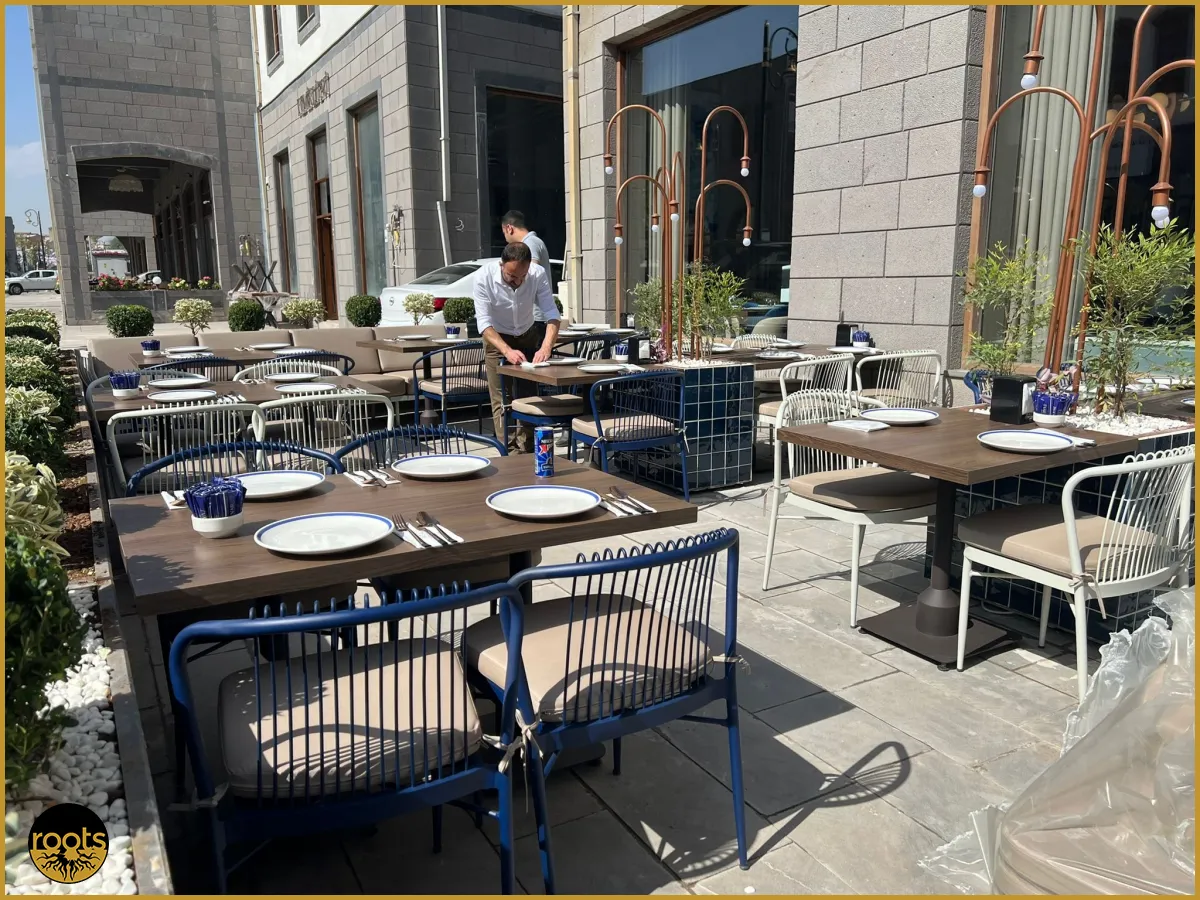
Architectural Restaurant Design: The Art That Adds Value to Your Space
The success of your restaurant is directly related not only to the flavors you offer but also to the atmosphere you present to your guests. Architectural restaurant design is a critical element that creates this atmosphere, maximizes the functionality of the space and reflects your brand's identity. The right design for a dining venue both enriches the customer experience and increases operational efficiency.
What Is the Importance of Restaurant Design?
Restaurant design is the fundamental component that determines the identity and atmosphere of a space. A well-designed restaurant:
- Attracts customers from the very first moment and creates a positive first impression.
- Strengthens the brand identity of the space and ensures it is memorable.
- Allows customers to spend comfortable and enjoyable time.
- Offers a functional area where staff can work more efficiently.
- Provides a competitive advantage by differentiating from other businesses.
Who Is It Suitable For?
Architectural restaurant design services are ideal for the following groups:
- Those Planning to Open a New Restaurant: When creating a space from scratch, every detail from concept to operation must be planned professionally.
- Those Who Want to Renovate Their Existing Restaurant: Design is needed to modernize spaces that have aged or cannot keep up with today's trends and to expand the customer base.
- Businesses That Want to Strengthen Their Brand Identity: Businesses that desire their restaurant to have a unique identity and to stand out from their competitors.
- Those Who Want to Increase Operational Efficiency: Those who want to increase efficiency by arranging the kitchen, service area and customer seating areas more intelligently.
Which Needs Does It Meet?
A professional architectural restaurant design meets the following fundamental needs:
- Creating an Aesthetic and Functional Space: It creates an area that is pleasing to the eye while also providing ease of use.
- Determining and Implementing a Concept: It ensures the development of a concept suited to the restaurant's menu, target audience and brand values.
- Improving the Customer Experience: It increases guest satisfaction with comfortable seating arrangements, proper lighting, acoustic arrangements and impressive decoration elements.
- Optimizing Operational Flow: It ensures that areas such as the kitchen, bar, service routes and restrooms are designed in a way that speeds up the service flow.
- Maximizing the Potential of the Space: By ensuring the most efficient use of the existing area, it creates the opportunity to offer greater customer capacity or better service.
When Should It Be Preferred?
Restaurant design is important at every stage of a space's life cycle:
- When Establishing a New Business: Professional support should be obtained at every step, from the concept stage to construction and decoration.
- When Transforming an Existing Space: In restoration or renovation projects, a design suited to current needs and trends is essential.
- During the Re-branding Process: Design is indispensable for refreshing the business's image and creating a new identity.
- In Sectors with Intense Competition: A unique design strategy is required to differentiate and stand out.
Frequently Asked Questions
- Target Audience Analysis: Who are you serving?
- Structural Features of the Space: The advantages and disadvantages of the existing area.
- Budget Planning: Creating a realistic budget.
- Location and Surroundings of the Space: Compliance with environmental factors.
- Required Permits and Regulations: The requirements of the municipality and relevant institutions.
- Operational Needs: Critical points such as the kitchen, storage and staff areas.
Materials Used in Restaurant Design and Their Features
The materials used in restaurant design directly affect the aesthetics, durability, ease of maintenance and cost of the space. Below is a table comparing the material types, which vary according to different needs, on the axis of durability, area of use and cost:
| Material Type | Durability | Indoor Use | Outdoor Use | Cost (Average) |
|---|---|---|---|---|
| Natural Stone (Marble, Granite) | Very High | Floor, Countertop, Wall Cladding | High (Suitable Type) | High |
| Wood (Solid, Veneer) | Medium - High (Depending on Treatment) | Floor, Furniture, Wall Panels, Ceiling | Low - Medium (In Protected Areas) | Medium - High |
| Ceramic and Porcelain Tiles | High | Floor, Wall, Countertop | High (Non-Slip Type) | Low - Medium |
| Concrete and Micro Concrete | High | Floor, Wall, Countertop, Ceiling | High | Medium |
| Metal (Stainless Steel, Iron) | Very High | Furniture, Lighting, Details | High (Coated/Stainless) | Medium - High |
| Glass (Tempered, Laminated) | Medium - High (Depending on Type) | Tabletops, Partitions, Lighting | Medium (In Protected Areas) | Medium |
| Textile and Leather (Upholstery) | Medium (Depending on Use) | Sofas, Chairs, Cushions | Generally Not Suitable | Medium - High |
Alternative Design Approaches and Their Differences
Every restaurant has its own unique identity and needs. For this reason, design approaches also vary:
- Concept-Oriented Design: A design built on the food or experience the venue offers. For example, Mediterranean touches in an Italian restaurant, minimalist Japanese cultural elements in a Japanese restaurant. This approach tells the story of the brand.
- Minimalist Design: An approach focusing on simple lines, a limited color palette and functionality. It creates a clean and spacious atmosphere and draws attention to the food.
- Industrial Design: A style in which raw materials (concrete, metal, brick) are left exposed, evoking a factory or warehouse atmosphere. It generally appeals to a young and dynamic audience.
- Classic and Luxury Design: A style created with rich materials, showy furniture, detailed ornaments and sophisticated colors. It is used in venues preferred by the higher income group or for special occasions.
- Bohemian and Eclectic Design: An approach in which pieces from different periods, cultures and styles are brought together, creating an original and relaxed atmosphere.
Unlike the alternatives, architectural restaurant design can bring these approaches together or create a completely original synthesis. What matters is that the chosen design is compatible with the restaurant's target audience, concept and operational needs.
Things to Consider Before Purchasing
Paying attention to the following points before receiving restaurant design service is critical for the success of your project:
Remember, a good architectural restaurant design is a long-term investment that will increase both the appeal and the profitability of your business.











































































