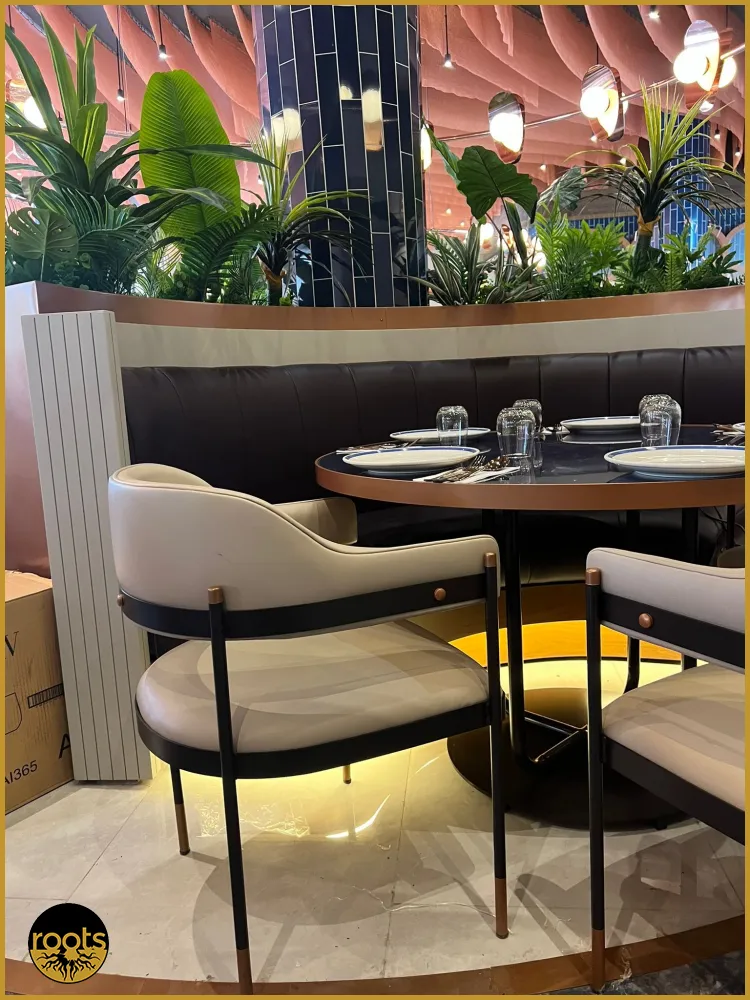
Architectural Restaurant Design and Interior Solutions
Creating spaces that reflect the spirit of your restaurant, impress your guests and support the success of your business.
What Is Restaurant Design and Why Is It Important?
Architectural restaurant design is a process that goes beyond mere aesthetic concerns and holistically addresses the functionality, atmosphere and brand identity of a space. A successful restaurant design offers your guests an unforgettable experience, encouraging them to visit again, creates an efficient working environment for your staff and directly affects the overall success of your business.
In today's highly competitive food and beverage sector, offering only delicious food is not enough. Guests also evaluate the venue they visit, the atmosphere, the comfort and the service provided as a whole. At this point, architectural restaurant design comes into play and gives your space an identity.
What Does a Comprehensive Restaurant Design Include?
A comprehensive restaurant design encompasses many elements that form the cornerstones of a space:
- Concept Development: Creating a unique concept compatible with your restaurant's main idea, target audience and the type of cuisine it will offer.
- Spatial Planning: Designing seating arrangements, service areas, kitchen layout, bar, restrooms and entrance area in the most efficient way.
- Interior Design: Determining floor, wall and ceiling coverings, furniture selection, color palette, lighting and decorative elements with a holistic approach.
- Lighting Design: Planning both functional and aesthetic lighting solutions suitable for the function of the space and the atmosphere to be created.
- Acoustic Arrangement: Using sound insulation and absorbent materials to prevent disturbing noise and ensure that guests have a comfortable environment for conversation.
- Material Selection: Choosing the right materials by considering factors such as durability, aesthetics, ease of maintenance and cost.
- Kitchen and Service Area Design: Enabling staff to work efficiently, ensuring hygiene standards and optimizing service flow.
- Exterior Facade and Entrance Design: Exterior solutions that create the first impression of the venue, reflect the brand identity and attract the target audience.
Who Is It Suitable For?
Architectural restaurant design is ideal for the following situations and groups:
- Those Opening a New Restaurant: Entrepreneurs who want to achieve a strong brand identity and a functional design while creating a space from scratch.
- Those Who Want to Renovate Their Existing Restaurant: Business owners who aim to modernize their old or outdated spaces, making them more attractive, contemporary and efficient.
- Those Making a Concept Change: Businesses that want to appeal to a different type of cuisine or target audience and therefore need to change the physical characteristics of the space.
- Those Who Want to Strengthen Their Brand Image: Businesses of all sizes that want to elevate their brand value and prestige and increase guest satisfaction.
- High-Traffic Venues: Busy restaurants, cafes and bars that want to maintain both aesthetics and operational efficiency at a high level.
Which Needs Does It Meet?
Professional restaurant design meets many critical needs of your business:
- Increased Customer Satisfaction: An aesthetically attractive, comfortable and functional space offers your guests a more enjoyable experience.
- Improved Operational Efficiency: A well-planned kitchen, service area and seating arrangement enable your staff to work faster and more effectively.
- Strong Brand Identity: Design visually tells the story of your restaurant, its values and the experience it offers.
- Competitive Advantage: A differentiating and standout design sets you apart from your competitors and helps you attract new customers.
- Long-Term Investment Value: A high-quality and timeless design increases the value of your space and maintains its usability for many years.
- Maximum Space Utilization: By evaluating every square meter in the most efficient way, more seating areas or larger service zones can be created.
What Are Its Differences from Alternatives?
Unlike traditional decoration or unplanned renovations, architectural restaurant design:
- Holistic Approach: It addresses not only the aesthetic appearance of the space but also its functionality, guest experience and operational processes as a whole.
- Expertise and Experience: Professional designers, architects and interior architects use their specialized knowledge and experience to reveal the potential of spaces.
- Strategic Planning: The design process proceeds with strategic planning in line with brand goals, target audience analyses and operational requirements, rather than random choices.
- Technical Details: Technical details such as lighting, acoustics, ventilation and material durability are considered and implemented down to the finest detail.
- Cost Efficiency: Although it requires investment initially, it provides a cost advantage in the long term thanks to energy efficiency, durable materials and increased customer satisfaction.
Points to Consider in Material Selection
Material selection, which directly affects the atmosphere, durability and maintenance of your restaurant, is of great importance. Here is a comparison of some common material types:
| Material Type | Durability | Interior/Exterior Architectural Use | Cost (General Assessment) | Example Areas of Use |
|---|---|---|---|---|
| Natural Stone (Marble, Granite) | High | Interior and Exterior Spaces | High | Countertops, floors, wall claddings, bar fronts |
| Wood (Solid, Veneer) | Medium-High (depending on maintenance) | Predominantly Interior Spaces (exterior with special applications) | Medium-High | Floors, wall panels, tables and chairs, ceiling details |
| Concrete (Decorative) | High | Interior and Exterior Spaces | Low-Medium | Floors, walls, countertops, furniture |
| Ceramic/Porcelain Tile | High | Interior and Exterior Spaces | Low-Medium | Floors, walls, kitchen countertops, bathroom |
| Metal (Stainless Steel, Iron) | High | Interior and Exterior Spaces | Medium-High | Lighting fixtures, furniture frames, kitchen equipment, decorative details |
| Glass | Medium (fragility) | Interior and Exterior Spaces | Medium | Tabletops, partitions, decorative panels, lighting elements |
Material selection should be compatible with the restaurant's overall concept, target audience and budget. For example, while more sophisticated and expensive materials are preferred for a luxury fine dining restaurant, more durable and cost-effective options can be considered for a more casual cafe.
Points to Consider Before Purchasing
Paying attention to the following points when receiving restaurant design services or managing this process will help you guarantee the success of your project:
- Define a Clear Concept: Clarify which cuisine your restaurant will serve, in what style, and who your target audience is.
- Determine Your Budget: Create a detailed budget covering design, renovation, furniture and equipment costs.
- Choose a Professional Team: Work with architects, interior architects or design offices that are experienced in restaurant design and have strong references.
- Request a Detailed Project: Ask for a comprehensive project including floor plans, 3D visuals, material lists and technical drawings of the space.
- Keep Communication Open: Stay in constant contact with the design team, share your ideas and be actively involved in the process.
- Research Permits: Research the necessary construction and renovation permits in advance and make sure your project complies with these processes.
- Be Flexible: Unexpected situations may arise throughout the design process. Be ready to find solutions to these situations with a flexible approach.
Frequently Asked Questions
How long does restaurant design take?
The design period varies depending on the size and complexity of the project and the number of revisions required. It can generally take between a few weeks and a few months for concept development and detailed project drawings. The construction and implementation period, on the other hand, depends entirely on the scale of the project.
Why is kitchen design so important?
The kitchen is the heart of the restaurant. A well-designed kitchen speeds up the meal preparation process, increases staff efficiency, helps maintain hygiene standards and minimizes operational errors. This both reduces costs and raises service quality.
How does the concept development process work?
Concept development is the first step that defines the identity of the restaurant. During this process, target audience analysis is carried out, the type of cuisine to be offered is determined, the brand story is created and how these elements will be reflected in the design of the space is planned. This affects the overall atmosphere of the space, furniture selection, color palette and even menu design.
How does lighting affect the atmosphere of a restaurant?
Lighting has a critical role in how a space is perceived. With the right lighting, a warm, inviting, romantic or energetic atmosphere can be created. By using different lighting techniques (general lighting, task lighting, accent lighting), both functionality is provided and the desired emotional effect is evoked.











































































