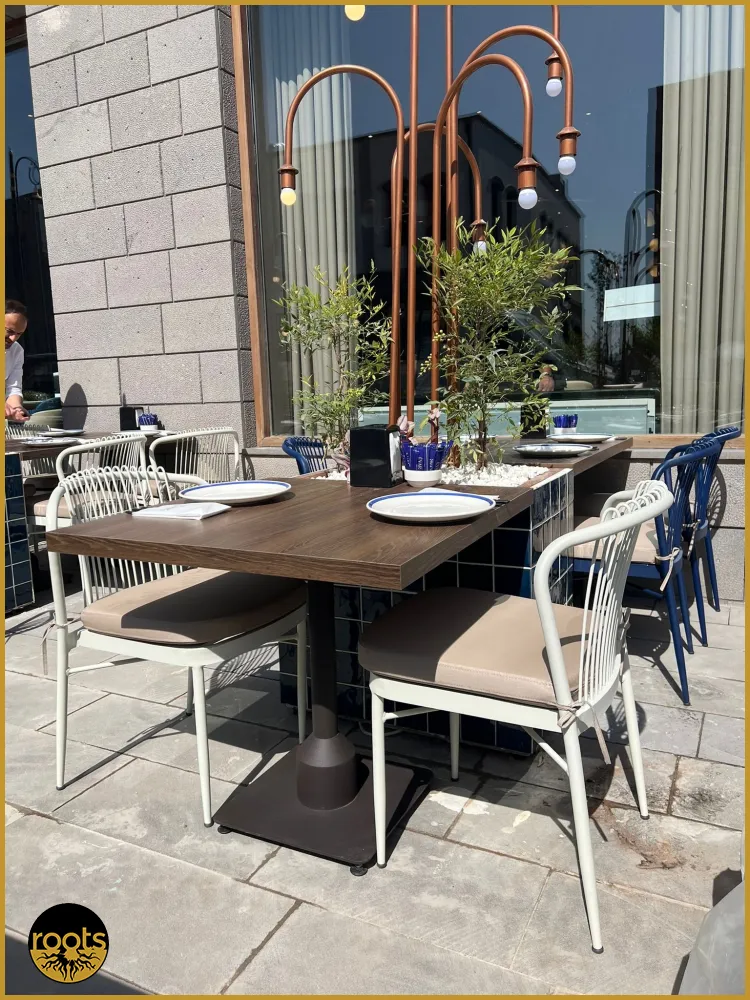
ARCHITECTURAL RESTAURANT DESIGN - RESTAURANT INTERIOR DESIGNS
The success of your restaurant is directly related not only to the flavors you offer but also to the overall experience you provide to your guests. At this point, architectural restaurant design and restaurant interior designs come into play. A well-designed space is your first face that welcomes your guests; it enables them to create unforgettable memories and builds brand loyalty.
What Is Restaurant Interior Design and Why Is It Important?
Restaurant interior design is the process of planning and implementing both the aesthetic and functional elements of a dining establishment. This process covers the details that reflect the overall atmosphere of the space, the comfort of the guests, the efficiency of the staff and the identity of the brand. A good interior design aims to use the available space in the most efficient way, to choose the right lighting and color palettes, to place the furniture strategically and to create the overall ambience.
Why is it important?
- First Impression: The first moment your guests step into the space, they interact with your design.
- Customer Experience: Comfortable seating areas, correct lighting, acoustic arrangement and a spacious atmosphere directly increase guest satisfaction.
- Brand Identity: The design visually communicates your restaurant's concept, values and target audience.
- Operational Efficiency: Smart design of kitchen and service areas enables your staff to work faster and more efficiently.
- Competitive Advantage: An original and striking design helps you stand out from your competitors and attract more customers.
Who Is It Suitable For?
Restaurant interior design is suitable for dining establishments of every scale and concept. This includes:
- Restaurants and cafes that are about to open
- Operators planning to renovate their existing spaces or change their concept
- All kinds of dining establishments that want to increase their brand value and improve the customer experience
- Boutique restaurants, fine-dining venues, fast-food chains, themed cafes and bars
- Investors in search of a specific architecture or concept
Which Needs Does It Meet?
A professional restaurant design meets the following fundamental needs:
- Aesthetics and Visual Appeal: The space creating the desired atmosphere and appealing to the target audience.
- Functionality and Usability: Guests moving comfortably, service flow running smoothly, efficiency of kitchen operations.
- Brand Consistency: Creating a visual language compatible with the restaurant's concept, menu and service approach.
- Customer Satisfaction: Comfortable seating areas, good lighting, appropriate acoustics and the overall atmosphere offering a positive experience.
- Operational Convenience: A space where staff can work comfortably, cleaning can be done easily and maintenance is practical.
- Cost Optimization: Reducing operating costs by choosing long-lasting and durable materials.
When Should It Be Preferred?
Restaurant interior design can be preferred at various stages of a space's life cycle:
- When Opening a New Space: To lay the right foundations from the start and establish the brand identity strongly.
- When Renovating an Existing Space: To modernize spaces that are aging, outdated or whose concept has changed and to increase their appeal.
- When Making a Concept Change: When the space also needs to be updated in parallel with radical changes made in the menu, target audience or service approach.
- In Highly Competitive Situations: To increase the appeal of the space in order to differentiate, stand out and attract more customers.
- When Customer Complaints or Low Occupancy Rates Are in Question: In cases where the physical conditions of the space lead to dissatisfaction or low performance.
What Are Its Aspects That Differentiate It from Alternatives?
Professional architectural restaurant design and interior work differ significantly from do-it-yourself (DIY) solutions or random decoration. These differences are as follows:
- Expertise and Experience: Professionals have in-depth knowledge of the functionalities, ergonomics, material information and trends required by the sector.
- Integrated Approach: The design process is not limited to aesthetic appearance alone; it covers all technical details such as kitchen operations, service flow, lighting, acoustics and ventilation.
- Brand Integrity: The design is in complete harmony with the restaurant's overall concept and brand identity.
- Long-Term Thinking: Factors such as the durability of the materials used, ease of maintenance and return on investment are taken into consideration.
- Customer Focus: The expectations and experience of the target audience are placed at the center of the design.
- Legal Regulations and Safety: Compliance with legal requirements such as fire regulations, health standards and accessibility is ensured.
Points to Consider in Material Selection
The selection of materials used in restaurant interior designs has a direct impact on the durability, aesthetics, hygiene standards and cost of the space. Here is a comparison of some commonly used material types:
| Material Type | Durability | Indoor Usage Areas | Outdoor Usage Areas | Cost | Advantages | Disadvantages |
|---|---|---|---|---|---|---|
| Natural Stone (Marble, Granite, etc.) | Very High | Floors, countertops, wall coverings, decorative elements | Floors, facade coverings, outdoor seating areas | High | Aesthetic, prestigious appearance, long-lasting, easy to clean (some types) | Heavy, difficult to apply, can stain (some types), may require maintenance |
| Wood (Solid, Veneer, etc.) | Medium - High (depending on processing) | Floors, wall coverings, furniture, ceiling elements, bar counters | Veranda, outdoor furniture (requires special treatment) | Medium - High | Warm and natural atmosphere, aesthetic variety, workable | Sensitive to moisture and scratches, may require regular maintenance, fire risk (if untreated) |
| Ceramic and Porcelain Tile | High | Floors, walls, countertops, kitchen areas | Floors, facades, poolside | Medium | Durable, stain-resistant, hygienic, wide design options, easy cleaning | Fragility (against impacts), cleaning of grout lines, cold feel |
| Concrete and Industrial Floors | High | Floors, wall coverings, countertops | Floors, facades | Medium | Modern and industrial appearance, durable, relatively cost-effective, easy maintenance | Hard and cold feel, risk of cracking (poor workmanship), some applications may be slippery |
| Metal (Stainless Steel, Iron, etc.) | High | Kitchen equipment, countertops, lighting fixtures, decorative elements, table legs | Outdoor furniture, railings, facade details | Medium - High | Hygienic (especially kitchen), durable, modern appearance, easy cleaning | Sensitive to scratches (some surfaces), cold feel, may react to certain chemicals |
| Fabric and Upholstery Materials | Variable (depending on weave) | Seating groups, chairs, curtains, wall panels | Rarely (requires special treatments) | Medium - High | Comfort, variety of colors and textures, enriches the atmosphere of the space | Can stain, may harbor allergens, may be difficult to clean, prone to wear |
Points to Consider Before Purchasing (or Investing)
When starting a restaurant design project or bringing an existing project to life, the critical points to consider are as follows:
- Budget Determination: Creating a realistic budget and detailing all cost items (design service, materials, labor, furniture, lighting, etc.).
- Target Audience Analysis: Understanding well the customer profile the design will appeal to and creating a concept that meets their expectations.
- Space Analysis: Evaluating the physical characteristics of the existing space (dimensions, beams, columns, natural light sources, etc.) and its potential limitations.
- Concept Development: Determining a consistent concept that will reflect the restaurant's overall identity, menu and guest experience.
- Professional Support: Working with experienced architects or interior architects with strong references will significantly increase the success of the project.
- Material and Furniture Selection: Making informed choices considering durability, ease of maintenance, aesthetics and cost.
- Lighting Strategy: Planning the right lighting solutions that support the atmosphere and functionality of the space.
- Acoustic Arrangement: Taking sound insulation and acoustics into consideration for a comfortable atmosphere.
- Ergonomics and Flow: Making arrangements that will provide a comfortable movement area and flow for both guests and staff.
- Legal Permits and Standards: Researching the legal procedures and standards required for construction, renovation and operating licenses.











































































