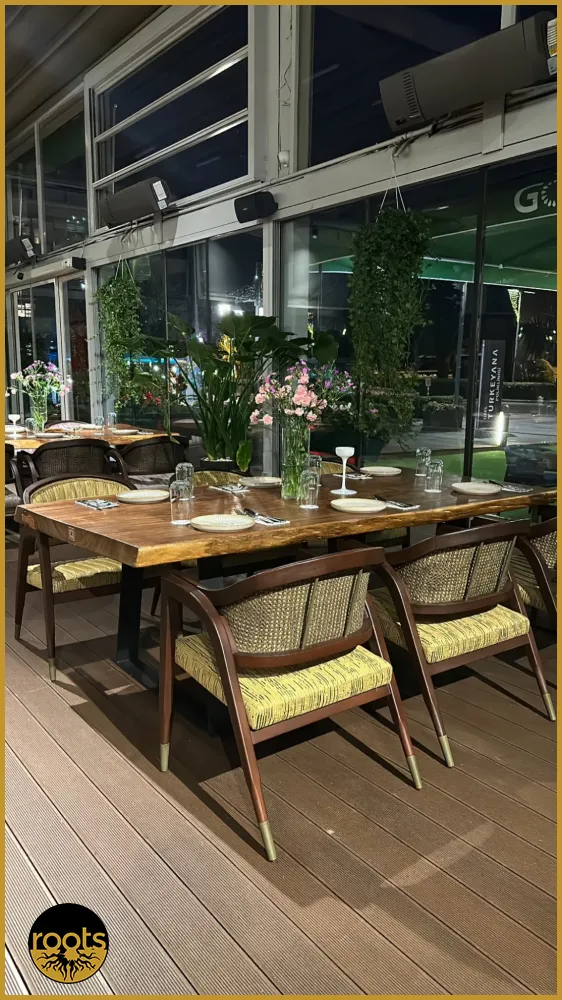
Architectural Restaurant Design: Turn Your Space into an Experience
Restaurants are places that offer an experience for guests, beyond being places where food is eaten. One of the cornerstones of a successful restaurant is undoubtedly the atmosphere and aesthetic quality it offers, along with the gastronomic flavors it presents. At this point, architectural restaurant design and restaurant interior designs come into play.
Restaurant design is a comprehensive process that brings together the functionality, aesthetics and brand identity of the space. Its purpose is both to enable the business owner to achieve their goals and to provide customers with an unforgettable experience. The success of a restaurant begins at first glance with the atmosphere the space offers, and this atmosphere is created with the right architectural and interior design touches.
Why Is Professional Restaurant Design Important?
Effective restaurant design meets the following fundamental needs:
- Customer Experience: A comfortable, inviting and aesthetically pleasing environment allows guests to stay longer in the space and have a positive experience.
- Brand Identity: Design creates a strong brand identity by reflecting the restaurant's concept, values and the cuisine it offers.
- Functionality: Having every area planned, from kitchen operations to service flow, from customer seating arrangement to restrooms, increases operational efficiency.
- Competitive Advantage: Unique and eye-catching designs enable you to differentiate from competitors and attract the interest of your target audience.
- Cost Effectiveness: A properly planned design can reduce costs in the long term through energy efficiency, durable material selection and optimized use of space.
Who Is It Suitable For?
Architectural restaurant design and interior designs are of vital importance for the following groups:
- Entrepreneurs Opening a New Restaurant: Those who want to create a concept from scratch and establish an attractive space suited to the target audience.
- Operators Who Want to Renovate Their Existing Restaurant: Those who want to update their outdated decoration, change their concept or increase customer satisfaction.
- Businesses That Want to Strengthen Their Brand Identity: Those who desire their restaurant to have a unique atmosphere and to project a memorable brand image.
- Venues Offering a Specific Cuisine or Experience: For example, businesses with special concepts such as fine-dining restaurants, themed cafes, and boutique venues offering street food.
Which Needs Does It Meet?
Professional restaurant design meets the following critical needs:
- Spatial Planning: Using the area in the most efficient way, optimizing seating capacity, and planning kitchen and service areas fluidly.
- Creating Aesthetics and Atmosphere: Creating the desired ambiance through color palette, lighting, furniture selection, material use and decorative elements.
- Functional Design: Ensuring customer comfort (seating arrangement, acoustics), staff efficiency (service routes, kitchen ergonomics) and hygiene standards.
- Concept Development and Implementation: Creating a holistic design identity that reflects the restaurant's story, values and the flavors offered.
- Legal Compliance: Ensuring compliance with fire safety, accessibility standards and other relevant regulations.
When Should It Be Preferred?
Restaurant design should definitely be considered in the following situations:
- When Establishing a New Business: Making the right investment at the outset directly affects brand value and customer appeal.
- When the Existing Space Needs Renovation: In a highly competitive sector, renovation is essential to stay current and increase customer satisfaction.
- When Making a Concept Change: When moving toward a different type of cuisine or target audience, the space must also be made suitable for this.
- When Experiencing a Decline in Performance: If the atmosphere or functionality of the space is causing customer loss, a design intervention may be necessary.
Frequently Asked Questions (FAQ)
Question: Does restaurant design mean just decoration?
Answer: No, restaurant design is much more than decoration. It is a holistic process covering the overall layout, flow, functionality, brand identity and customer experience of the space. Decoration is only a part that constitutes the aesthetic aspect of the design.
Question: Is custom design necessary for a small restaurant?
Answer: Yes, especially in small spaces, efficient use of the area and creating a spacious atmosphere are of great importance. With the right architectural and interior design solutions, even a small area can be made large and inviting.
Question: Is restaurant design costly?
Answer: The cost of the design varies depending on the scope of the project, the materials used, the size of the space and the designer's fee. However, the right design, seen as a good investment, can pay for itself in the long run through customer satisfaction and operational efficiency.
Question: Which materials are preferred in restaurant designs?
Answer: Material selection varies depending on the restaurant's concept, budget and durability needs. Various materials such as wood, metal, stone, concrete, tiles, fabrics and glass are used for aesthetic and functional purposes. What matters is that the choices are compatible with the overall identity of the space and have durability suited to the area of use.
Question: What is the role of lighting in restaurant design?
Answer: Lighting is one of the most important elements that determine the atmosphere and ambience of a restaurant. The right lighting can enhance the warmth, intimacy and elegance of the space. It also increases the visual appeal of the food and supports customer comfort.
Material Options and Comparison
The choice of materials used in restaurant designs directly affects both the aesthetic appearance and the durability of the space. A summary comparing different material types in terms of durability, area of use and cost is presented below:
| Material Type | Durability | Area of Use (Indoor/Outdoor) | Cost | Highlights |
|---|---|---|---|---|
| Natural Wood | Medium-High (Depending on treatment) | Generally Indoor (Suitable for outdoor with special treatments) | Medium-High | Creates a warm, natural and rustic atmosphere. Various types are available. May require maintenance. |
| Natural Stone (Granite, Marble, etc.) | Very High | Indoor and Outdoor | High | Luxurious, timeless and durable. Generally used for floors, countertops and wall cladding. Can be heavy and expensive. |
| Concrete (with polyurethane coating, etc.) | High | Indoor and Outdoor | Medium | Offers a modern, industrial and minimalist look. Easy to clean and durable. Can be used on floors, walls and furniture. |
| Metal (Stainless Steel, Iron, etc.) | Very High | Indoor and Outdoor | Medium-High | An industrial, modern and durable option. Used in furniture, lighting and decorative elements. Iron types prone to rust must be protected. |
| Ceramic/Porcelain Tile | High | Indoor and Outdoor | Low-Medium | Offers a wide range of patterns and colors. Easy to clean, resistant to moisture and stains. Especially popular for floor and wall cladding. |
| Fabrics (Upholstery) | Medium (Depending on use and type) | Generally Indoor | Low-High | The key to comfort and an aesthetic layer. Stain-resistant, easy-to-clean and durable fabrics should be preferred. |
Aspects That Set It Apart from Alternatives
The approaches that stand out in restaurant design give your space a unique identity by distinguishing it from similar ones. This is achieved not only through decorative details, but also through:
- Original Concept Development: Concepts that go beyond being just a "place to eat" and offer guests an experience that tells a story and brings it to life.
- Space Flow and Ergonomics Optimization: Designs that make customer and staff movement seamless and increase operational efficiency.
- Smart Lighting and Acoustic Solutions: Strengthening the ambience with the right lighting and creating a comfortable environment by preventing sound echo.
- Sustainability and Eco-Friendly Approaches: Being environmentally conscious while adding an original touch by using recycled or local materials.
- Integrating Technology: Making a difference with innovative solutions such as smart systems, interactive elements or digital menus.
Things to Consider Before Purchasing
It is important for business owners considering a restaurant design service to pay attention to the following points during their decision-making processes:
- Review the Designer's Portfolio: Examine their previous projects and style to assess whether they are suitable for your vision.
- Check References: Contact their previous clients to get information about their working principles, time management and satisfaction levels.
- Conduct a Detailed Needs Analysis: Get a clear idea about your venue's concept, target audience, budget and expectations. Share this information with the designer.
- Budget Planning: In addition to the design process, also consider additional costs such as furniture, equipment, renovation and decoration.
- Contract Details: Make a clear contract on matters such as the scope of service, delivery dates, payment plan and revision rights.
- Communication and Trust: Being able to establish good communication with the designer and trust the process is critical for the success of the project.
A successful architectural restaurant design and restaurant interior designs not only offer aesthetic beauty, but also directly affect your business's profitability and customer loyalty. Adopting the right design strategies to take your venue to the next level will be one of your most valuable investments in the long term.











































































