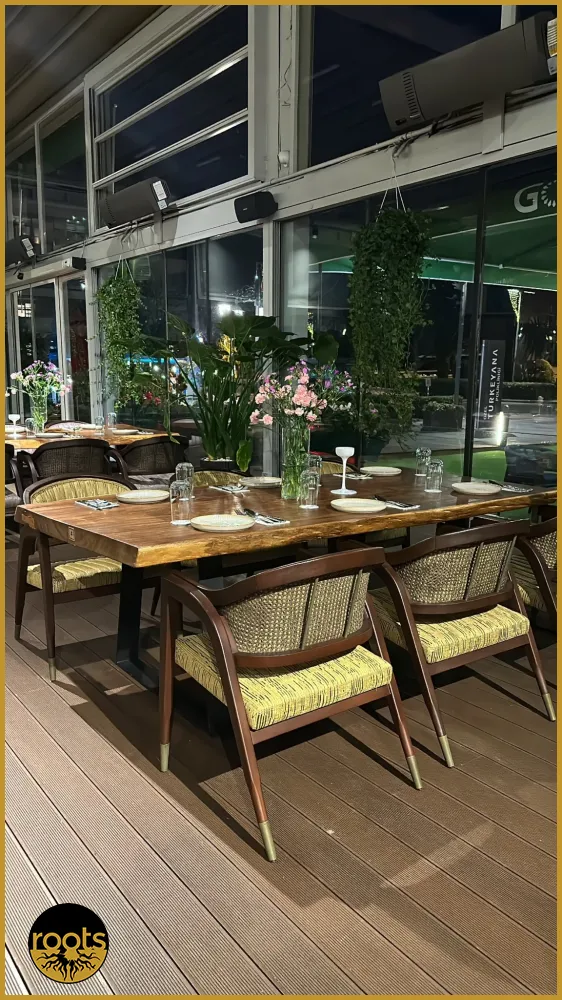
Architectural Approaches in Restaurant Interior Design
In the world of gastronomy, the success of a business is directly related to the atmosphere in which the flavors are presented as much as the flavors it offers. Architectural restaurant design is not merely an aesthetic arrangement; it is a strategic process where operational efficiency, customer psychology, brand identity and technical infrastructure converge. A well-constructed interior directly affects the time guests spend in the space, their perception of comfort and therefore the profitability of the business.
Why Is Restaurant Design a Critical Need?
The physical structure of a restaurant is the first element the customer experiences from the moment they enter the door. Good architectural planning aims to resolve every detail, from the workflow in the kitchen to the movement area of the service staff, from the distance between tables to the acoustic balance. These designs ensure that the space not only looks "beautiful" but also "works". Especially in the highly competitive food and beverage sector, a unique interior design is the most fundamental element that distinguishes a business from its competitors.
Core Needs Addressed in the Design Process
- Operational Flow: Managing the circulation between the kitchen, service area and customer reception areas without overlap.
- Customer Experience: Maximizing comfort with lighting, color palette and ergonomic furniture.
- Brand Integration: Harmonizing the culinary culture of the business (modern, traditional, fast-food, etc.) with the visual language of the space.
- Technical Solutions: Incorporating ventilation, fire installations and professional kitchen requirements into the system without compromising architectural aesthetics.
Material Selection and the Durability Axis
When selecting materials in restaurants, hygiene, durability and ease of maintenance should be prioritized alongside aesthetics. In commercial spaces with heavy human traffic, wear-resistant and easily cleanable surfaces provide a cost advantage in the long term.
| Material Type | Area of Use | Durability | Cost Analysis | Maintenance Need |
|---|---|---|---|---|
| Natural Wood | Floor, Wall, Furniture | Medium (Sensitive to impacts) | High | Requires regular polishing |
| Industrial Concrete / Microcement | Floor and Wall | Very High | Medium | Low, easy to clean |
| Marble and Natural Stone | Bar counter, Table tops | High | Very High | Can stain, requires protection |
| Ceramic and Porcelain | Floor, Kitchen walls | High | Low - Medium | Very low |
| Metal and Steel Details | Lighting, Decorative partitions | Very High | Medium - High | Minimal |
Points to Consider Before Purchasing and Implementation
Before starting to work with an architectural office or design team, the critical stages that determine the success of the project should be taken into consideration:
- Target Audience Analysis: The seating arrangement should be created according to the habits of the audience the space will appeal to (business dining, families, young people, etc.).
- Acoustic Planning: Sound-absorbing panels or soft-textured materials should be integrated into the design to prevent noise pollution.
- Lighting Hierarchy: A balance should be established between general lighting, task lighting (tabletop) and accent lighting (decorative).
- Legal Regulations: Legal obligations such as municipal regulations, fire exits and disabled access should be at the center of the design.
- Budget and Time Management: The procurement times of the materials selected during the implementation phase and labor costs should be planned realistically.
Frequently Asked Questions
What does "ergo-design" mean in restaurant design?
It is the design of all physical interactions according to human ergonomics, from the seating comfort of guests at the table to the staff using the shortest and most efficient route between the kitchen and the dining area.
How can a small restaurant space be made to look larger?
A perception of depth can be created in small spaces with light color palettes, strategic use of mirrors, vertical storage solutions and the right lighting angles.
Is open kitchen design risky for a business?
Open kitchens instill transparency and trust; however, they require a very powerful ventilation system and constant cleaning discipline. Architecturally, the spread of odor and sound into the dining area must be prevented.
Is getting architectural project support a costly investment?
On the contrary, the cost of future renovations and inefficient operations due to faulty planning is much higher. Professional design aims to turn every square meter of the space into profit.
Result-Oriented Design Strategies
In modern restaurant management, the space is not just a place to eat, but a storyteller. When restaurant interior designs are constructed, every texture chosen and every angle of light is a reflection of the value given to the guest. Projects where technical infrastructure and aesthetic vision come together offer a commercial success that is beyond time and sustainable. The right material selection and functional layout strengthen the identity of the business while also bringing customer loyalty.











































































