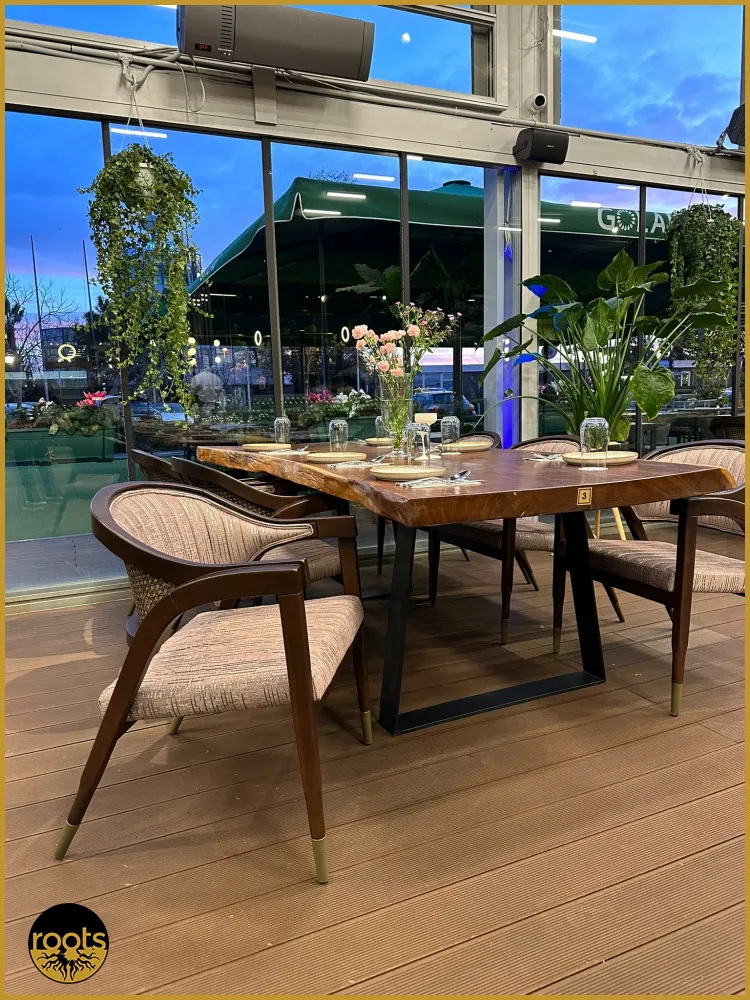
Architectural Restaurant Design and Interior Designs
The success of your restaurant is directly related not only to the flavors you offer but also to the experience you create for your guests. Architectural restaurant design is a critical element that defines the identity of the space, creates its atmosphere and maximizes customer satisfaction. Restaurant interior designs reflect the quality of the service you offer and the value of your brand. This comprehensive guide will guide you through the process of choosing the right design for your restaurant.
What Is Restaurant Design and Why Is It Important?
Restaurant design is a broad discipline covering the physical structure of the space, its decoration, lighting, furniture and overall atmosphere. A well-executed restaurant design:
- Improves the Customer Experience: A comfortable and aesthetic environment encourages guests to stay longer and leaves a positive memory.
- Strengthens Brand Identity: Design visually communicates your restaurant's concept, target audience and the type of cuisine it offers.
- Increases Operational Efficiency: A cleverly planned layout allows your staff to work more efficiently and the service flow to proceed smoothly.
- Provides a Competitive Advantage: A distinctive and attractive design sets you apart from your competitors.
Key Elements of Restaurant Design
There are many components to consider in an effective restaurant design:
1. Defining the Concept
Your restaurant's concept (fine dining, bistro, fast casual, thematic, etc.) forms the foundation of the design. The concept helps you make decisions about the colors, materials, furniture and overall atmosphere to be used.
2. Space Planning (Layout)
This involves optimizing the relationship between customer areas (dining room, bar, waiting area), service areas (kitchen, preparation areas, restrooms) and staff areas. Smooth traffic flow and customer comfort are priorities.
3. Lighting
Lighting is one of the most powerful tools that define the atmosphere. General lighting, task lighting (tables, bars) and accent lighting (artworks, decorative elements) should be combined correctly.
4. Color and Material Selection
Colors are known for their psychological effects. For example, warm colors can stimulate the appetite, while cool colors can create a calmer atmosphere. Material selection is important in terms of both aesthetics and durability.
5. Furniture and Seating Arrangement
Comfortable furniture suited to the space is critical for customer satisfaction. Offering different seating options (bar stools, armchairs, tables) allows you to appeal to a wide audience.
6. Acoustics
The noise level in restaurants has a major impact on guests' comfort. Using sound-absorbing materials to reduce echo and provide a pleasant environment is important.
7. Decoration and Details
Artworks, plants, accessories and other decorative elements strengthen the character of the space and offer guests an unforgettable visual experience.
Who Is It Suitable For?
This service and information is ideal for anyone in the following situations:
- Those Opening a New Restaurant: Entrepreneurs who want professional support throughout the entire design process, from concept to implementation.
- Those Wanting to Renovate Their Existing Restaurant: Business owners who want to modernize their space, improve the customer experience or present a new concept.
- Those Wanting to Strengthen Their Brand Identity: Those who want to elevate brand value through design and reach their target audience more effectively.
- Those Wanting to Solve Operational Problems: Businesses experiencing issues with space layout or workflow and wanting to improve them through design.
Which Needs Does It Meet?
Restaurant design services meet various fundamental needs:
- Aesthetic Need: Creating a visually attractive, inviting and memorable space.
- Functional Need: Providing a practical, efficient and comfortable area for customers and staff.
- Psychological Need: Evoking feelings of pleasure, comfort and belonging in guests.
- Commercial Need: Raising the potential to attract customers, build loyalty and increase revenue.
- Branding Need: Expressing brand identity spatially and connecting with the target audience.
In Which Situations Should It Be Preferred?
Restaurant design should be particularly preferred in the following situations:
- When Opening a Restaurant: To lay the right foundations when creating a space from scratch.
- When Changing the Concept: To adapt the space when changing the restaurant's target audience or the cuisine it offers.
- In Areas with Intense Competition: To stand out from competitors and come to the fore.
- When the Existing Space Is Insufficient: When problems are experienced in terms of capacity, flow or aesthetics.
- During the Brand Renewal Process: To move away from an old and worn-out image and gain a modern look.
Alternatives and Differences
Although there are alternatives such as trying to design on your own or settling for simple decoration, professional architectural restaurant design stands out in the following respects:
- Comprehensive and Strategic Approach: It offers holistic planning that considers not only aesthetics but also functionality, brand identity and operational efficiency.
- Expertise and Experience: It produces the most accurate solutions with sector-specific knowledge, material and trend knowledge.
- Cost Effectiveness: It aims to avoid unnecessary renovations in the long term, increase energy efficiency and raise turnover by ensuring customer satisfaction.
- Legal Compliance and Standards: It has knowledge of compliance with legal requirements such as safety, health and accessibility.
- Technological Integration: It can integrate innovative approaches such as modern lighting systems, acoustic solutions and smart space designs.
Material Comparison
Comparison of some materials frequently used in restaurant designs:
| Material Type | Durability (Intensive Use) | Indoor Suitability | Outdoor Suitability | Average Cost (High, Medium, Low) |
|---|---|---|---|---|
| Natural Stone (Granite, Marble) | High | High | Medium (with proper processing) | High |
| Wood (Solid, Veneer) | Medium-High (with protection) | High | Low (requires special treatment) | Medium-High |
| Ceramic and Porcelain Tile | High | High | High | Medium |
| Concrete and Decorative Plaster | High | High | High | Low-Medium |
| Metal (Stainless Steel, Iron) | High | High | High | Medium-High |
| Glass | Medium (Fragility) | High | Medium (Special production) | Medium-High |
Points to Consider Before Purchasing
Before purchasing an architectural restaurant design service or project, it is important to pay attention to the following points:
- Portfolio and References: Review the designer's previous work. Check whether they are experienced in restaurant or similar venue projects.
- Scope of Agreement: Clearly understand what is included in the proposal. Determine which stages such as concept development, 3D visualization, material selection, project design and implementation follow-up are included in the scope.
- Budget Planning: In addition to the design cost, realistically establish the total budget for the materials to be applied, furniture and labor.
- Communication and Understanding: Make sure you can establish good communication with the design team. It is important to choose a partner who understands your vision and can reflect it in the design.
- Delivery Times: Learn the delivery times set for each stage of the project and make sure they are included in the contract.
- Flexibility and Right to Revision: Learn whether you have the right to a certain number of revisions during the design process.











































































