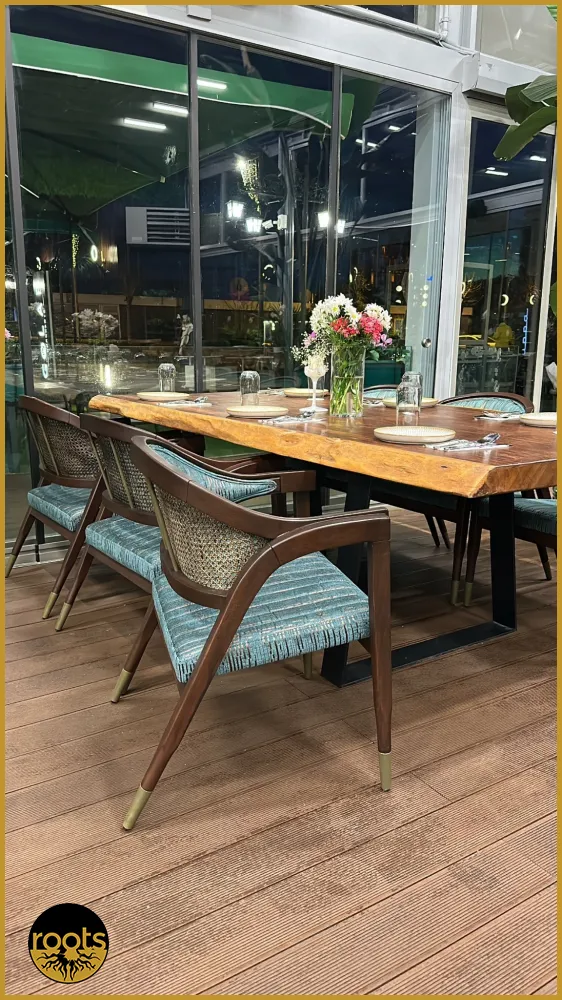
Architectural Restaurant Design: Creating Experience Spaces
A comprehensive guide on architectural and interior designs that directly affect your restaurant's identity and customer experience.
What Is Architectural Restaurant Design and Why Is It Important?
Architectural restaurant design is more than just an aesthetic appearance; it is a holistic approach that brings together the functionality of the space, customer flow, operational efficiency and the brand's identity. Your restaurant's architecture is a critical element that gives visitors their first impression and constitutes a large part of their experience. A well-designed restaurant draws your guests in, puts them at ease, appeals to their tastes and creates unforgettable memories. This design aims to create not only a space where food is served, but also an experience space.
Functionality of the Design
A restaurant's success depends largely on its operational efficiency. Architectural design optimizes the flow between the kitchen and service areas, enabling staff to work faster and more effectively. Elements such as the layout of customer tables, the movement areas of waiters and the location of service stations play a key role in the smooth progress of daily operations.
Customer Experience
Customers come to a restaurant not only to eat, but also to socialize, relax and have a pleasant time. Design shapes this experience through elements such as the materials used, lighting, seating arrangement and atmosphere. Comfortable seats, well-planned lighting and the general ambience of the space make guests feel special.
Brand Identity
Your restaurant's design is a visual representation of your brand. When designing a concept restaurant, an atmosphere should be created that reflects your brand's story, values and target audience. This covers every detail, from the color palette used to the choice of furniture, from wall decorations to menu design.
Restaurant Interior Designs: Transforming the Space
Restaurant interior designs are built upon the architectural structure and give the space character. At this stage, the attention given to details determines the overall perception of the space.
Conceptual Design (Concept Development)
Behind every successful restaurant lies a strong concept. This concept determines everything from the type of cuisine to the target audience, from the brand's story to the desired atmosphere. For example, while airy, bright and natural materials are used for a Mediterranean restaurant, a more sophisticated, elegant and intimate environment may be aimed for for a fine-dining restaurant.
Space Planning and Layout
One of the most important steps in interior design is the layout plan that ensures the most efficient use of the space. The right balance between customer areas (dining areas, bar, waiting area), service areas (kitchen, storage, staff areas) and restrooms ensures that the space is both aesthetic and functional.
- Seating Arrangements: Various seating options (table-chair, bar stools, lounge areas, private rooms) should appeal to different customer groups and optimize the capacity of the space.
- Visual Flow and Wayfinding: A clear and understandable flow should be provided so that customers can easily understand where to go when they enter the space.
Material Selection and Application
The materials used directly affect the ambience, durability and ease of maintenance of the space. Different materials such as natural stones, wood, metal, concrete and glass can be used together to create the desired effect.
Lighting Design
Lighting is one of the most powerful tools that determines the mood of a space. General lighting, task lighting (tabletops, bar) and accent lighting (artworks, architectural details) are planned correctly to provide both functionality and aesthetic integrity.
Color and Texture
Colors and textures determine the warmth, energy and sophistication of the space. While soft colors create a calmer atmosphere, vivid colors can offer a more energetic environment. Textures, on the other hand, add depth and interest to the space.
Who Is It Suitable For?
Architectural restaurant design and interior solutions are ideal for the following groups:
- Entrepreneurs planning to open a new restaurant.
- Operators who want to improve the atmosphere and customer experience of their existing restaurant.
- Businesses that want to strengthen their brand identity and reach their target audience more effectively.
- Those who own all kinds of food and beverage venues such as cafes, bars, bistros and fine-dining restaurants.
- Operators who want to maximize the potential of their spaces and stand out in competition.
What Needs Does It Meet?
Such designs respond to various needs:
- Increased Customer Satisfaction: An aesthetic and comfortable environment allows guests to stay longer and increases their satisfaction.
- Operational Efficiency: Well-thought-out space planning increases staff performance and raises service quality.
- Brand Awareness and Loyalty: A unique design supports the brand being memorable and the formation of customer loyalty.
- Optimization of Space Usage: It ensures that every square centimeter of the area is used functionally and aesthetically.
- Differentiation in Competition: It offers a strong visual identity to stand out in the crowded food and beverage sector.
- Legal Compliance and Safety: During the design process, relevant regulations (fire safety, accessibility, etc.) are taken into consideration.
In Which Situations Should It Be Preferred?
Architectural restaurant design should be primarily preferred in the following situations:
- New Venue Openings: When establishing a restaurant from scratch, making the right architectural and interior decisions from the very beginning prevents problems that may arise later.
- Restructuring (Renovation) of an Existing Venue: When venues that have worn out over time, become outdated or lost their functionality need to be renewed.
- Brand Repositioning: When the business changes its target audience or the service it offers, so that the venue reflects this new identity.
- Intense Competitive Environment: To create an attention-grabbing and memorable venue in areas where competition in the sector is high.
- Increasing Customer Complaints: Especially in situations where complaints about comfort, service flow or atmosphere intensify.
Aspects That Differentiate It from Alternatives
Unlike traditional or superficial decoration approaches, architectural restaurant design is a much more comprehensive and strategic process. The main differences are as follows:
- Holistic Approach: Instead of focusing only on furniture and colors, it addresses the structural elements of the venue, workflow, lighting and atmosphere as a whole.
- Professional Expertise: Architects and interior architects analyze and solve the aesthetic and functional needs of the venue in the best way possible.
- Long-Term Investment: It is not just an aesthetic touch, but an investment in the future of the business that provides returns by increasing operational efficiency.
- Focus on Customer Experience: Its ultimate goal is not only to create a beautiful venue, but also to offer unforgettable experiences where guests connect with the brand.
- Brand Integrity: The design must be compatible with all elements of the brand and convey the brand message consistently.
Things to Consider in Material Selection
The materials used in restaurant design are of great importance both aesthetically and functionally. Factors such as durability, ease of maintenance, cost and area of use should be taken into consideration.
| Material Type | Durability | Indoor Use | Outdoor Use | Cost (Average) | Features |
|---|---|---|---|---|---|
| Natural Wood | Medium (can be increased with proper treatment) | High (table, chair, floor, wall cladding) | Low (requires special treatment) | Medium - High | Natural, warm, aesthetic, gains character over time. Requires maintenance. |
| Marble/Granite | High | High (countertop, floor, wall) | High | High | Luxurious, durable, hygienic, stain-resistant (except some types). |
| Concrete (Decorative) | Very High | High (floor, wall, ceiling) | Medium - High | Low - Medium | Industrial, modern, durable, resistant to icing. |
| Ceramic/Porcelain | High | Very High (floor, wall, countertop) | High | Low - Medium | Hygienic, stain-resistant, water-resistant, wide range of patterns and colors. |
| Metal (Stainless Steel, Iron) | Very High | High (table legs, lighting, decorative elements) | High (with proper coating) | Medium - High | Modern, industrial, durable, scratch-resistant. |
| Glass | Medium (can be increased with tempered glass) | High (tables, partitions, lighting) | Medium | Medium | Transparent, gives a sense of spaciousness, reflects light. Can be fragile. |
Things to Consider Before Purchasing
Important points to consider before receiving an architectural restaurant design service or making a decision in this direction are as follows:
- Set a Clear Budget: Create a realistic budget covering design, materials, implementation and unexpected expenses.
- Define Your Target Audience: Make sure the design appeals to the customer profile you want to reach.
- Clarify Your Brand Identity: Determine your restaurant's values, story and the message it wants to convey.
- Get Professional Support: Working with experienced architects and interior designers ensures the process is smoother and more successful. Review their references and portfolios.
- Space Analysis: Understand well the physical limitations, potential and legal requirements of the existing space.
- Detailed Projecting: Request detailed plans, visuals and technical drawings for every stage of the design.
- Balance Functionality and Aesthetics: Remember that the space must both look pleasing and be operationally efficient.
- Ease of Maintenance and Use: Ensure that the selected materials and solutions are easy to maintain in the long term.
- Flexibility: Consider designing the space so that it can adapt to possible future changes or needs.
- Legal Permits and Regulations: Make sure the design complies with all local regulations and construction permits.











































































