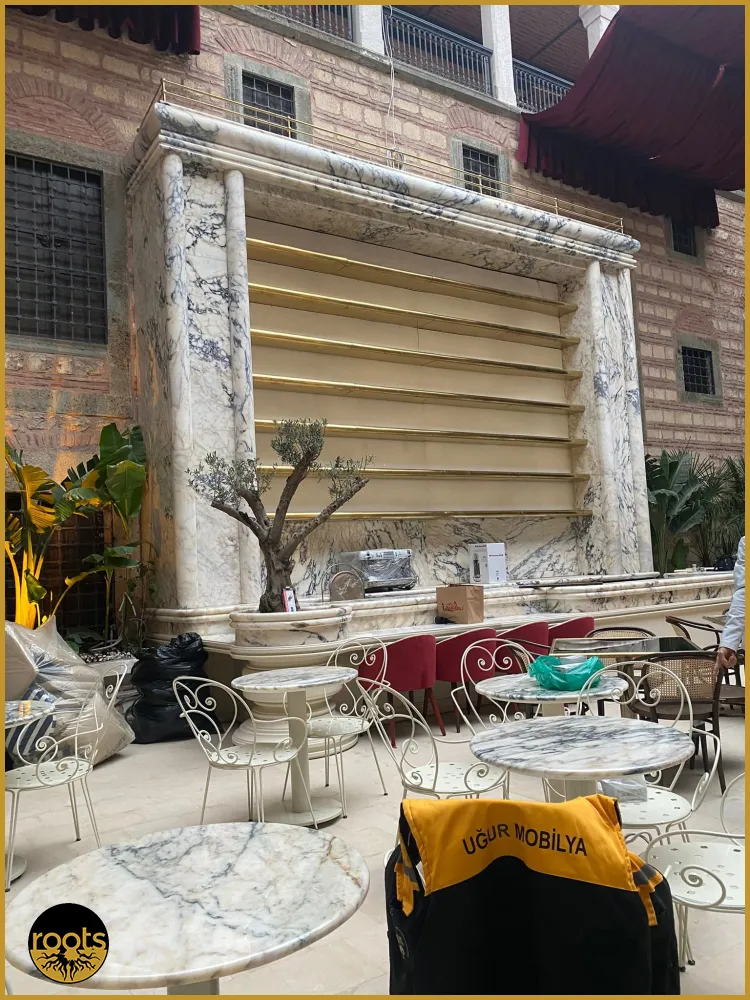
Architectural Approaches in Restaurant Interior Design
The success of a restaurant is directly related not only to the flavors it offers but also to the physical experience it provides to its guests. Architectural restaurant design is an interdisciplinary process that ensures a space not only looks aesthetic but also operates flawlessly operationally. A correct design incorporates many technical details, from kitchen workflow to waiter circulation, from customer comfort to acoustic balance.
As commercial businesses, restaurants are areas of intensive use. Therefore, every detail to be preferred in their interior designs must be both durable and reflect the identity of the business. A professional architectural touch optimizes square meter usage, increasing business profitability while allowing customers to spend longer and higher-quality time in the space.
The Functional Role of Design and the Needs It Meets
Restaurant interior designs must fundamentally respond to three main needs: Operational efficiency, customer psychology and brand identity. A good layout ensures that the food leaving the kitchen reaches the table in the shortest way and while still hot. At the same time, creating "conflict-free" corridors where staff traffic and customer traffic do not mix directly affects service quality.
From the customer's perspective, elements such as lighting level, ergonomics of the chairs and distance between tables are hidden factors that determine the decision to "visit again." The design process unites these technical needs around a concept, preventing chaos and creating a consistent atmosphere.
Material Selection and Durability Analysis
Material selection in restaurants is based on completely different criteria from home decoration. In commercial areas, materials with high wear resistance, easy to clean and compliant with fire regulations should be prioritized. The following table presents a comparative overview of the properties of materials frequently preferred in restaurant designs:
| Material Type | Area of Use | Durability Level | Cost Index | Advantage |
|---|---|---|---|---|
| Natural Stone / Marble | Bar counters, flooring | High (But stain-sensitive) | High | Prestigious and luxurious appearance |
| Industrial Metal | Kitchen, decorative panels | Very High | Medium | Hygienic and long-lasting |
| Solid Wood | Tables, wall cladding | Medium (Requires maintenance) | Medium - High | Warm and friendly atmosphere |
| Ceramic / Porcelain | Flooring and wet areas | Very High | Economical - Medium | Easy cleaning, suitable for intensive traffic |
| Acoustic Panels | Ceilings and walls | Medium | Medium | Preventing noise pollution |
Features That Distinguish Professional Design from Its Alternatives
Bringing a restaurant to life through a professional architectural restoration and design process rather than a standard decoration application provides cost savings in the long term. The points where professional architectural service makes a difference are as follows:
- Technical Infrastructure Compliance: Integrating ventilation (HVAC) systems with aesthetics prevents food odors from spreading into the dining hall.
- Lighting Engineering: Not just lamp selection, but automated lighting scenarios that change according to different times of the day are designed.
- Acoustic Comfort: Sound-absorbing surfaces are calculated and placed so that the sounds of cutlery or conversations at the next table do not turn into a hum.
- Regulatory Compliance: Legal obligations such as municipal regulations, fire exits and disabled accessibility are made part of the design.
Things to Consider Before Purchasing and Implementation
Clarifying the following items before receiving a design service or starting the implementation process is critical for protecting the investment:
- Concept Determination: Who is your target audience? The architectural language of fast-food, fine-dining and bistro concepts is different for each.
- Budget Planning: A share should be allocated not only for furniture but also for infrastructure, plumbing and kitchen equipment.
- Space Analysis: The column structure, ceiling height and natural light capacity of the existing space determine the limits of the design.
- Workflow Chart: Is the route for waiters to exit the kitchen and reach the table designed in the shortest way?
Frequently Asked Questions
What should be the most important priority in restaurant design?
The most important priority is functionality. A space that is visually very stylish but disrupts kitchen operations or prevents customers from moving comfortably is not commercially sustainable.
How does lighting design affect customer behavior?
While warm and low-intensity lighting encourages customers to sit longer and consume more drinks; bright and high-energy lights are preferred in spaces where circulation needs to be fast (such as fast-food).
Is restoring an existing restaurant or designing from scratch more costly?
This depends on the infrastructure of the space. If the plumbing and structural systems are sound, architectural restoration can be more economical. However, in old buildings that do not comply with regulations, designing from scratch is more sensible as it prevents future renovation costs.
How to Make the Right Choice as a Result?
If you are at the decision-making stage in restaurant and interior designs, you should focus not only on whether the proposed solution appeals to the eye, but on how well it serves your business model. Architectural restaurant design is an engineering and psychology study rather than an aesthetic concern. Long-lasting materials, a properly planned circulation area and an atmosphere that tells the brand story are the fundamental elements that accelerate the return on your investment (ROI).
Making the right design choice means solving tomorrow's operational problems today. Getting expert support in this process protects your budget by preventing faulty material selections and incorrect layouts that may occur during implementation.











































































