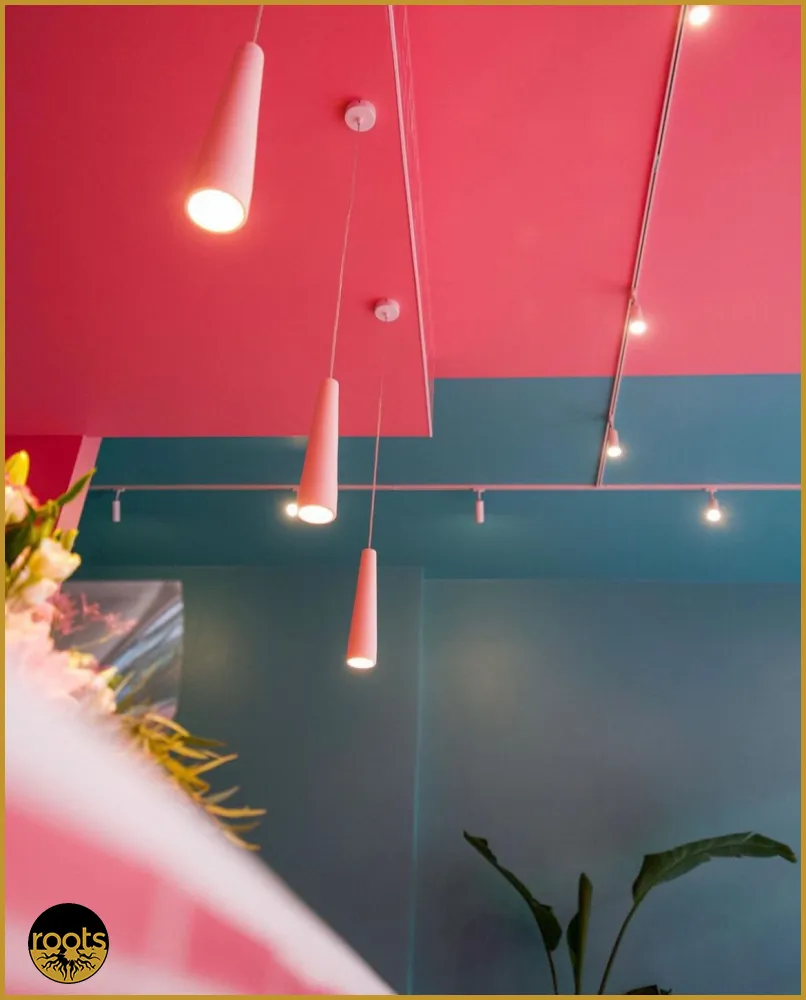
Architectural and Interior Design Reflecting Your Restaurant's Identity
At the heart of a successful restaurant lies an appetizing and comfortable space that offers its guests an unforgettable experience. Architectural restaurant design is a holistic approach that brings together not only aesthetic concerns but also functionality, brand identity and customer satisfaction. The first impression your restaurant creates from the moment one steps through its door is also part of the taste experience. Therefore, restaurant interior designs are of critical importance for reaching the right target audience and connecting them to the space.
What Is Architectural Restaurant Design and Why Is It Important?
Architectural restaurant design is the process of planning and implementing every detail of the interior, its atmosphere, functional areas and aesthetic integrity, starting from the exterior facade of a dining venue. This process includes elements that reflect the spirit of the space, strengthen brand value and increase operational efficiency.
- Creating Brand Identity: The design should tell your restaurant's story and make the promised experience felt. The design language of a fine-dining restaurant and that of a venue offering fast service will naturally differ.
- Customer Experience: Comfortable seating arrangements, correct lighting, acoustic comfort and aesthetic elements make the time guests spend in the venue more enjoyable.
- Functionality and Operational Efficiency: Smart design of the kitchen layout, service areas, restrooms and storage areas enables your staff to work more efficiently.
- Competitive Advantage: A unique and striking design helps you stand out from your competitors and create a memorable venue.
What Needs Do Restaurant Interior Designs Meet?
A comprehensive restaurant interior design is planned to meet various needs:
- Creating Aesthetics and Atmosphere: Creating an atmosphere that draws your guests in, stimulates the appetite and is unique to the venue.
- Optimization of Space Usage: Using the available space in the most efficient way to create more seating area or give a more spacious feel.
- Organization of Functional Areas: Ergonomic placement of entrance/exit areas, service points, kitchen and restrooms that facilitate customer flow.
- Lighting and Acoustic Control: Increasing comfort with lighting strategies and sound arrangements that directly affect the ambiance of the venue.
- Material and Color Selection: Determining the right material and color palette considering durability, hygiene and aesthetics.
Who Is It Suitable For?
Restaurant interior design services are ideal for the following groups:
- Entrepreneurs planning to open a new restaurant.
- Business owners who want to renew or modernize the concept of their existing restaurant.
- Restaurant operators who want to strengthen their brand image and increase customer appeal.
- Those who want to design dining venues in different concepts (cafe, bar, bistro, fine-dining, fast-food, etc.).
In Which Situations Should Architectural Restaurant Design Be Preferred?
A professional architectural restaurant design process provides great benefits in the following situations:
- When Creating a Space from Scratch: To make a functional and aesthetically striking start that best suits your concept.
- When Transforming an Existing Space: To revive an old or inadequate space with a new concept and expand the customer base.
- In Areas with Intense Competition: To make a difference, stand out from your competitors and attract the interest of your target audience.
- To Solve Operational Problems: To eliminate issues in the operation of the venue (narrow areas, inadequate service, poor customer flow, etc.).
- To Strengthen Brand Identity: To ensure that the venue carries an identity compatible with the service and taste offered by the restaurant.
Key Elements to Consider in Restaurant Design
1. Determining the Concept and Target Audience Analysis
The first step of a successful design is to clarify the restaurant's concept. Which cuisine will be offered? Who is your target audience? (Students, families, business people, tourists, etc.) How should the atmosphere of the venue be? (Friendly, luxurious, modern, traditional, etc.) The answers to these questions directly affect design decisions.
2. Space Planning and Layout
Using the space in the most efficient way is essential. All circulation areas such as access from the customer entrance to the tables, passage from the kitchen to the service areas, and the location of the restrooms must be planned. The seating arrangement should optimize both customer comfort and service efficiency.
3. Lighting Design
Lighting can completely change the atmosphere of a space. It is important to make maximum use of natural light and to create a warm and inviting environment by using general lighting, task lighting (tables, bar, etc.) and accent lighting (decorative objects, walls) together. Restaurant lighting should be appetizing and make guests feel comfortable.
4. Material Selection
The materials to be used should be both aesthetic and functional. Factors such as durability, ease of cleaning, hygiene and cost should be taken into consideration. Making the right choices, especially for floors, table surfaces and wall coverings, will provide savings in the long term.
5. Color Palette and Decoration
Colors create emotional effects in the subconscious. The selection of colors suited to the concept of the space should aim to be compatible with the corporate identity of the brand and to create an appetizing effect. Decorative objects, plants and artistic touches strengthen the character of the space.
6. Acoustic Comfort
A noisy environment can negatively affect the customer experience. It is important to reduce echo with sound insulation materials, correct acoustic panels and furniture arrangements, and to provide a calmer and more enjoyable atmosphere.
7. Kitchen and Service Areas
The kitchen, which is the heart of the restaurant, should be functional and hygienic. Equipment placement, preparation areas and cooking stations should be designed so that staff can work comfortably. The integration of service areas with the kitchen also speeds up operational flow.
Use of Different Material Types in Restaurant Design
Material selection directly affects the overall appearance, durability and cost of the restaurant. Here is a comparison of some commonly used materials:
| Material Type | Durability | Interior/Exterior Architectural Use | Average Cost (Reference) |
|---|---|---|---|
| Natural Wood | Medium (Increases with proper maintenance) | Interior (Floor, wall covering, furniture, ceiling) / Exterior (Requires special treatments) | Medium - High |
| Natural Stone (Marble, Granite, etc.) | High | Interior and Exterior (Countertop, floor, wall covering, facade) | High |
| Ceramic / Porcelain | High | Interior and Exterior (Floor, wall, countertop) | Low - Medium |
| Concrete (Decorative) | High | Interior and Exterior (Floor, wall, countertop, furniture) | Low - Medium |
| Metal (Stainless Steel, Iron, etc.) | High | Interior and Exterior (Furniture, lighting, decorative elements, kitchen equipment) | Medium - High |
| Glass | Medium (Risk of fragility) | Interior and Exterior (Windows, partitions, table surfaces, lighting elements) | Low - Medium |
| Synthetic Composite Materials | High | Interior and Exterior (Countertop, floor, wall covering) | Medium |
Frequently Asked Questions
What Should Be Considered Before Purchasing?
Before deciding on an architectural design service or decoration project, it is important to pay attention to the following points:
- Professional References: Examine the designer's or company's previous restaurant projects. Evaluate their portfolios, the quality of the work they have completed and their style.
- Communication and Understanding: Observe how well the designer understands your vision and how accurately they can interpret your expectations. Clear and honest communication is critical for the success of the project.
- Detailed Proposal: Make sure that the proposal you receive clearly specifies the scope of service, costs, delivery dates and payment terms. Pay attention to hidden costs.
- Contract Details: Check that the contract to be made covers all details (design stages, revision rights, intellectual property rights, cancellation conditions, etc.).
- Customer Feedback: If possible, try to get feedback from previous customers.
- Budget Planning: Create a comprehensive budget that includes not only the design service but also material, furniture, lighting, decoration and construction costs.
The success of your restaurant is directly proportional not only to the flavors you offer but also to the atmosphere and experience you offer your guests. Architectural restaurant design and high-quality restaurant interior designs are the most important components of this experience. With the right planning and professional support, your space can turn into an unforgettable destination for your guests.











































































