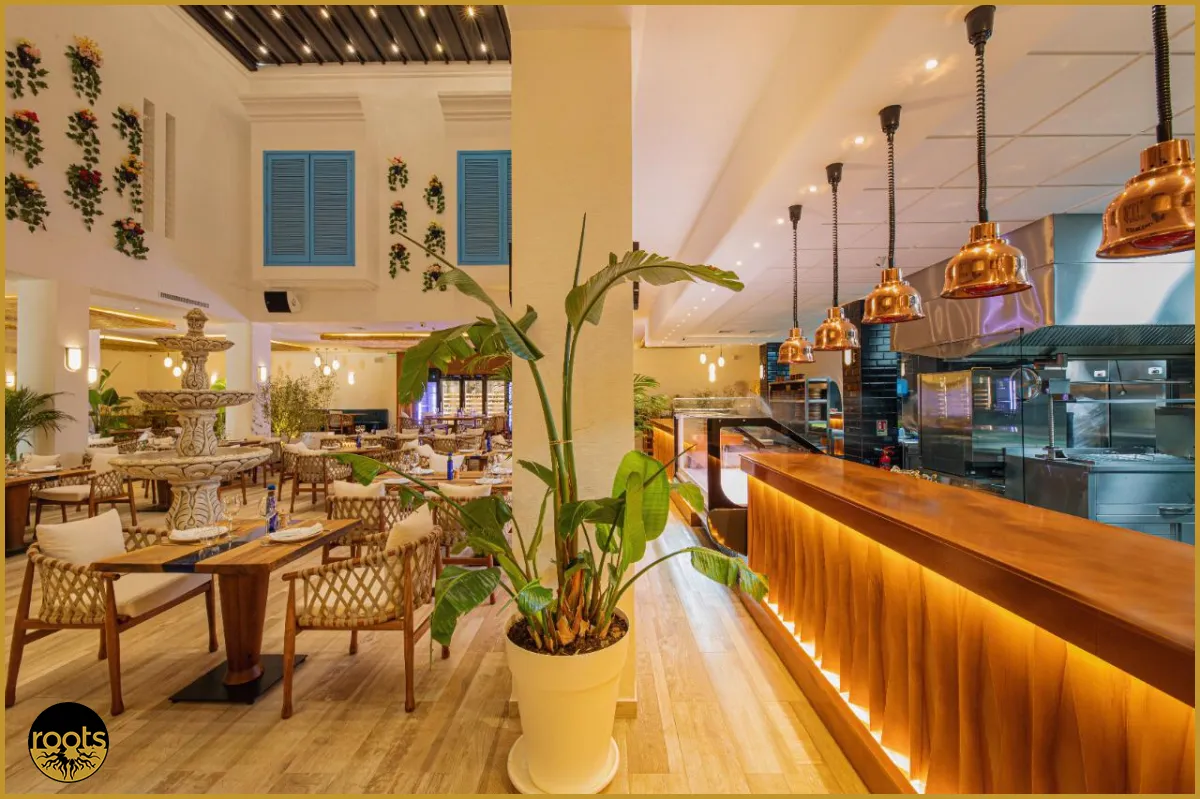
The Combination of Aesthetics and Functionality in Restaurant Design
The success of a restaurant depends not only on the quality of the dishes served, but also on the atmosphere the customer feels from the moment they walk through the door. Architectural restaurant design is not merely the visual beautification of a space; it is the process of maximizing operational efficiency, brand identity and customer comfort. A professional restaurant interior design aims for every detail, from the kitchen to the service area, from lighting to acoustics, to work in harmony.
Why Is Architectural Restaurant Design Important?
Restaurant designs are the "silent language" of a business. Customers determine the length of their stay according to the level of comfort the space offers. The main purpose of the design is to correctly set up the circulation scheme, ensuring both that staff provide fast service and that an area is created where customers feel special. Ergonomics is at the center of this process. Table spacing, chair heights and the width of service paths must be optimized with a professional architectural touch.
Which Needs Does It Meet and Who Is It Suitable For?
This service appeals to a wide audience, from entrepreneurs planning to establish a new business to experienced operators who want to modernize their existing space. Professional architectural support is indispensable especially in the following situations:
- Creating a Brand Identity: Reflecting the culinary culture your business offers (Fine Dining, Fast Casual, etc.) in the spirit of the space.
- Operational Efficiency: Increasing service speed by minimizing traffic between the kitchen and the dining area.
- Acoustic and Lighting Solutions: Preventing noise pollution and highlighting the presentation of dishes with the right light angles.
- Compliance with Legal Regulations: Fulfilling technical obligations such as fire regulations, kitchen hygiene standards and disabled access.
Material Selection and Comparative Analysis
In restaurant designs, material selection directly affects both cost and the longevity of the business. The wear resistance and cleanability of materials used in commercial spaces are a priority. In the table below, you can examine the properties of frequently preferred material types:
| Material Type | Durability | Area of Use | Cost Index |
|---|---|---|---|
| Natural Wood / Solid | Medium (Requires maintenance) | Interior / Furniture | High |
| Industrial Metal | Very High | Interior and Exterior | Medium |
| Porcelain Ceramic | High (Stain resistant) | Floor / Kitchen | Low - Medium |
| Natural Stone / Marble | High | Bar Counter / Entrance | Very High |
Critical Points to Consider Before Purchasing
Before approving a design project or starting to work with an interior architecture team, you should consider the following elements:
- Target Audience Analysis: Is your customer profile young people, families or the business world? The design must be chosen to suit this profile.
- Kitchen and Dining Area Balance: How much of the total area will be allocated to the kitchen and how much to the customer area must be calculated well. The number of seats per square meter affects profitability.
- Lighting Scenarios: Different light modulations must be designed for daytime and evening hours.
- Ventilation and Air Conditioning: It is of vital importance that food odors do not spread into the dining area and that the ideal temperature is maintained regardless of the season.
- Budget Management: A contingency fund must always be set aside for additional costs that may arise during the implementation phase.
Features That Set It Apart from Alternatives
The biggest difference between an ordinary approach to decoration and architectural restaurant design is the "holistic approach." Choosing wallpaper alone is decoration; however, planning the sound insulation behind the wall, positioning the power outlets according to the kitchen appliances, and calculating the angle at which light falls on the food on the table is architectural engineering. Professional design returns to the business owner in the long term as lower maintenance costs and higher customer loyalty.
Frequently Asked Questions
Question 1: I have a small space; can I increase capacity with architectural design?
Answer: Yes. With smart floor plans and compact furniture designs, it is possible to optimize the existing capacity by up to 20% without narrowing circulation areas.
Question 2: How long does restaurant design take to complete?
Answer: Depending on the size of the project, the concept design process can take 2-4 weeks, while the implementation process can vary between 6-12 weeks depending on the physical condition of the space.
Question 3: Which colors should be preferred in the design?
Answer: This is entirely related to the concept. For example, while warm tones (orange, red details) known for their appetite-stimulating effect are preferred in fast-food venues; dark colors and dim lighting are more suitable for luxury dinner concepts.
Shaping Efficiency Through Design
In modern restaurant management, the space is not just a place to eat, but an experience area. A well-planned circulation scheme ensures that your staff work without getting tired, while aesthetic details trigger your customers' desire to share your venue on social media. It should not be forgotten that; good design is a good investment tool. Making the right use of every square meter of your venue will directly increase the lifespan and profitability of your business.











































































