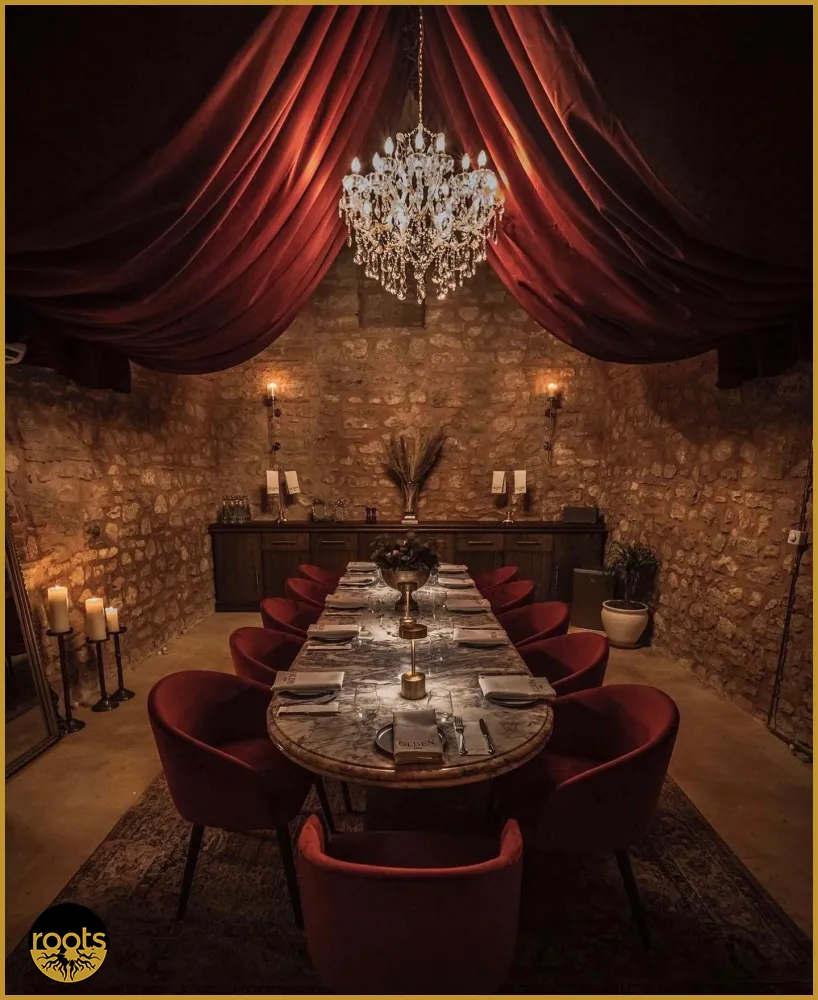
Aesthetics and Functionality in Architectural Restaurant Furniture and Garden Solutions
The success of a restaurant is directly related to the atmosphere it promises its guests as much as the menu it offers. Architectural restaurant furniture are not merely tools that meet the need for sitting and dining, but design elements that define the identity of the space, shape the customer experience and optimize circulation. The right furniture selection both ensures aesthetic integrity within the physical boundaries of the space and increases operational efficiency.
Why Are Restaurant and Garden Furniture Important?
Furniture used in commercial areas, unlike household furniture, must be designed to suit high-density use (heavy-duty). The visual continuity established between the interior and the garden of a restaurant reflects the professionalism of the brand. Furniture meets the following basic needs:
- Comfort and Ergonomics: Ensures guest satisfaction during long seating periods.
- Durability: Resists continuous cleaning processes, abrasion and varying weather conditions.
- Space Optimization: With a layout suited to the architectural plan, it increases the capacity per square meter in a balanced way.
- Brand Identity: Appeals to the target audience through its design language (modern, rustic, industrial).
Material Types and Comparative Analysis
The materials to be preferred in both the interior and the exterior of the restaurant determine maintenance costs and service life. Especially in garden furniture, corrosion resistance and UV resistance are the most critical priorities.
| Material Type | Durability | Area of Use | Cost Scale |
|---|---|---|---|
| Solid Wood (Iroko/Teak) | High (Suitable for Outdoor) | Interior and Exterior Architecture | High |
| Aluminum (Statically Painted) | Very High (Rustproof) | Garden and Terrace | Medium - High |
| Polypropylene (Plastic/Fiber) | Medium | Fast Service / Outdoor | Economical |
| Metal / Steel Frame | High (Interior-Focused) | Interior Architecture / Industrial | Medium |
Critical Points to Consider Before Purchasing
Before moving on to the furniture procurement stage, you should consider the following points for the long-term profitability of your business:
- Stackability: Especially in garden furniture, the ability to stack furniture during off-season periods or during cleaning provides ease of storage.
- Fabric Technology: Cushions to be used outdoors must be selected from water-repellent and fade-resistant (outdoor fabric) fabrics.
- Floor Compatibility: It is important that furniture legs have fittings that will not damage the floor type (marble, wood deck, concrete).
- Weight Balance: Garden chairs used in windy areas should ideally be heavy enough not to blow away, yet light enough for staff to carry.
Features That Set Architectural Restaurant Furniture Apart from Alternatives
Standard furniture bought from retail stores cannot respond to the daily traffic (turnover) of a commercial business. Commercial furniture with architectural design stands apart with its reinforced connection points, anti-bacterial surface finishes and commercial grade certificates. Although these products may seem to have a high initial investment cost, they are more advantageous in total cost of ownership because they extend the replacement period.
Frequently Asked Questions
Question 1: Which material is the most durable in outdoor restaurant furniture?
Answer: For outdoor spaces, furniture with an aluminum frame and iroko/teak details offers the highest durability. While aluminum does not rust, iroko wood is resistant to water thanks to the natural oils it contains.
Question 2: In restaurant interior design, should comfort or capacity come first?
Answer: This depends on the business model. While comfort is at the forefront in fine-dining restaurants, in bistro or fast-food concepts with fast turnover, capacity should be optimized by choosing more compact and functional furniture.
Question 3: How should maintenance processes be planned?
Answer: Wooden products should be maintained with special oils at least once a year, and metal components should be wiped regularly with non-abrasive cleaners. The fact that fabric parts are removable and washable provides operational ease.
Summary for the Right Decision-Making Process
When opening a new venue or renewing your existing furniture, focusing only on appearance can increase your operating costs. When choosing architectural restaurant furniture, sharing technical data such as the venue's sun exposure angle, humidity level and daily customer capacity with the designer will lead to the most accurate result. High-quality garden furniture is not just a seating area, but a comfort element that extends the time your customers spend outdoors.











































































