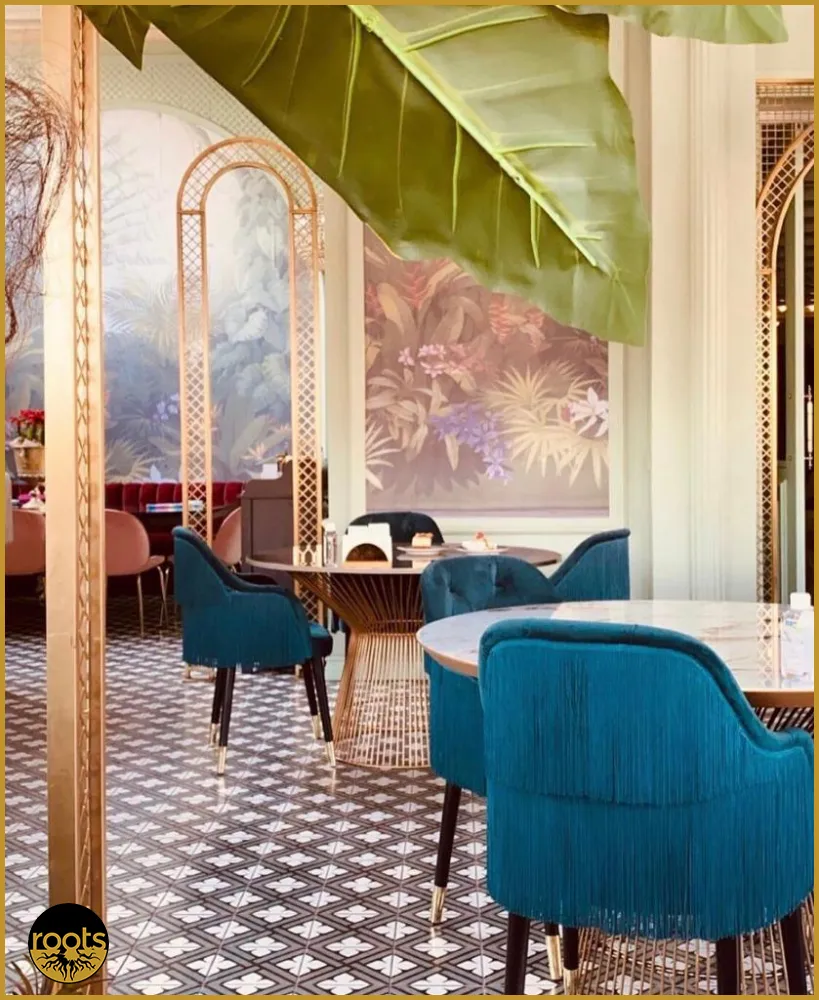
ARCHITECTURAL RESTAURANT FURNITURE- RESTAURANT GARDEN FURNITURE Selection Guide
One of the most important elements directly affecting your restaurant's atmosphere and guest experience is furniture. Architectural restaurant furniture and restaurant garden furniture, which provide both elegance in indoor spaces and comfort in outdoor spaces, reflect the identity of your business.
What Is Architectural Restaurant Furniture and What Does It Do?
Architectural restaurant furniture refers to specially designed furniture products that go beyond being mere objects to sit and eat at, completing the overall design concept of the space, with aesthetic concerns and fulfilling a specific functionality. This furniture is selected or designed to be compatible with the architectural style of the restaurant. Restaurant interior furniture strengthens the brand identity, ensures the comfort of guests and serves the purpose of use of the space.
This furniture:
- Ensures the aesthetic integrity of the space.
- Offers a comfortable and enjoyable experience for guests.
- Functionally, facilitates activities such as dining and conversing.
- Must be suitable for commercial use in terms of durability.
- Must offer easy maintenance and cleaning.
What Is Restaurant Garden Furniture and Why Is It Important?
Restaurant garden furniture refers to weather-resistant and aesthetic furniture products designed for use in the outdoor areas of restaurants (garden, terrace, veranda, balcony, etc.). It is of great importance that furniture used in outdoor spaces is resistant to factors such as rain, sunlight and wind.
Restaurant garden furniture:
- Expands the usable area of the space.
- Offers guests the opportunity to spend enjoyable time outdoors.
- Enriches the overall appeal and atmosphere of the space.
- Must be able to adapt to seasonal changes.
Who Is It Suitable For?
Architectural restaurant furniture and restaurant garden furniture are suitable for all types of food and beverage businesses. In this context:
- Restaurants (fine-dining, bistro, thematic, etc.)
- Cafes and Patisseries
- Hotels and Holiday Resorts (especially for restaurant and cafe areas)
- Bars and Pubs
- Clubs and Social Facilities
- Outdoor event areas
Business owners and managers turn to these categories when searching for furniture solutions that best suit the style of their venue, their customer profile and their budget.
What Needs Does It Meet?
This furniture is designed to meet various needs of businesses:
- Comfort and Ergonomics: Ensures guests can sit comfortably for long periods.
- Space Management: Enables efficient use of the space with different seating arrangements.
- Aesthetic Contribution: Strengthens the overall visual integrity and brand image of the space.
- Durability and Longevity: Supports the return on investment with its structure resistant to intensive use and external factors.
- Ease of Use and Maintenance: Simplifies cleaning and arrangement processes.
In Which Situations Should It Be Preferred?
Architectural restaurant furniture and restaurant garden furniture should especially be preferred in the following situations:
- When opening a new business or redecorating an existing business.
- When wanting to strengthen the design concept of the space and contribute to the branding process.
- When aiming to increase guest capacity by also utilizing outdoor areas.
- When existing furniture has become old, worn or impractical.
- When aiming to create different atmospheres (for example, a cozy cafe environment or a luxurious restaurant experience).
Material Types and Comparison
The materials used in restaurant furniture have a direct impact on the durability, appearance, maintenance and cost of the product. Here is a comparison of some commonly used material types:
| Material Type | Durability | Indoor/Outdoor Architectural Use | Cost (General) | Advantages | Disadvantages |
|---|---|---|---|---|---|
| Wood (Teak, Acacia, Pine, etc.) | High (especially hard woods such as teak) | Suitable for both indoor and outdoor use (specially treated for outdoor use) | Medium - High | Natural and warm appearance, eco-friendly, repairable. | Requires regular maintenance (oiling, varnishing), may fade or rot over time (if not properly maintained). |
| Metal (Aluminum, Iron, Stainless Steel) | Very High | Ideal for both indoor and outdoor use. | Medium - High | Extremely durable, lightweight (aluminum), modern appearance, resistant to rust (treated iron and stainless steel). | May change hands in hot or cold weather conditions, may be sensitive to scratches (some surfaces). |
| Plastic (Polypropylene, PVC, etc.) | Medium - High (depending on quality) | More suitable for outdoor use, but also used in indoor designs. | Low - Medium | Lightweight, easy to clean, water-resistant, economical, available in various colors and shapes. | Risk of color fading or becoming brittle in sunlight, aesthetic perception may sometimes be less premium. |
| Rattan / Synthetic Rattan (Polyethylene) | High | Very popular especially for outdoor use, but also used indoors. | Medium - High | Lightweight, flexible, weather-resistant (synthetic rattan), offers a natural and comfortable appearance. | Natural rattan may be affected by moisture, the quality of synthetic rattan may vary. |
| Table Tops (Marble, Laminate, Wood) | Variable (marble very durable, laminate medium, wood variable) | Suitable varieties are available for indoor and outdoor use. | Medium - Very High (marble) | Aesthetic and premium appearance (marble), wide range of color and pattern options, easy to clean. | Marble may be sensitive to staining and scratching, may be heavy. |
What Sets It Apart from Alternatives?
Architectural restaurant furniture and restaurant garden furniture differ from standard home furniture or low-quality products in the following ways:
- Suitability for Commercial Use: More durable materials and robust production techniques are used against intensive daily use, frequent cleaning and potential impacts.
- Design and Aesthetic Integrity: Specially designed to reflect the brand identity and target audience of the business. Harmony with the architecture of the space is prioritized.
- Ergonomics and Comfort: Seating heights, back supports and cushion designs that allow guests to be comfortable for long periods are prioritized.
- Weather Resistance (For Garden Furniture): Outdoor furniture is specially treated or produced to withstand UV rays, moisture, temperature changes and rain.
- Safety Standards: Safety elements such as fire-retardant properties and the absence of sharp edges may be taken into consideration.
Things to Consider Before Purchasing
Making the right furniture choice will both increase guest satisfaction and ensure the cost efficiency of your business. The main points to consider are as follows:
- Size and Layout of the Space: Furniture must be of a size suited to the space and placed in a way that ensures a comfortable flow. For narrow areas, folding or stackable models can be preferred.
- Purpose of Use and Guest Profile: Furniture selection should be made according to the type of your restaurant (quick service, fine-dining, cafe, etc.) and the expectations of your target audience.
- Material Quality and Durability: Especially in heavily used areas, materials resistant to wear, scratches and staining should be preferred. For outdoor furniture, resistance to weather conditions is essential.
- Ease of Maintenance and Cleaning: Hygiene is very important in a restaurant business. Materials that are easy to clean, stain-resistant and practical for routine maintenance provide savings in time and cost.
- Aesthetic and Design Harmony: Furniture being in harmony with the overall architectural and decorative style of the restaurant strengthens the brand image.
- Ergonomics and Comfort: The seating experience of guests directly affects satisfaction. The seat depth, back support and table heights of chairs must comply with standards.
- Budget Planning: Quality and durability can reduce costs in the long term. Even if the initial cost is high, durable and long-lasting furniture can be more economical.
- Warranty and Service: It is important to learn the warranty conditions and possible service options of the products you purchase.
Frequently Asked Questions
Why should I use professional restaurant furniture?
Professional restaurant furniture is much more durable, suitable for commercial use and long-lasting than home furniture. They are specially produced to withstand intensive use, frequent cleaning and potential impacts. In addition, they offer a professional look by completing the aesthetic concept of your business.
How should I store restaurant garden furniture in winter?
To extend the life of your garden furniture, it is important to store it properly during the winter months. Even if they are made of weather-resistant materials, it is recommended that they be protected from prolonged exposure. While protective covers can be used for some furniture, more delicate ones (especially wooden furniture) should be stored in a dry and enclosed area. Storage conditions are also important for metal furniture to prevent rusting.
Can I use different table and chair combinations?
Yes, by using different table and chair combinations you can give your space a dynamic and attractive look. However, while making these combinations you should consider the overall style of the space and the comfort of the guests. For example, you can use the same model tables with chairs in different colors, or pair tables in different forms with chairs in a similar style.
Which material is more suitable for indoor restaurants?
For indoor restaurants, wood, metal, leather or high-quality fabric-upholstered coverings are generally preferred. These materials offer rich options in terms of both aesthetics and comfort. For example, wooden tables and chairs for a warm and friendly atmosphere, and furniture with metal details or leather upholstery can be ideal for a modern and stylish look.
What is the most important factor to consider when choosing outdoor furniture?
The most important factor to consider when choosing outdoor furniture is resistance to weather conditions. Furniture being made of waterproof, UV-resistant, rustproof and easy-to-clean materials ensures their longevity. Synthetic rattan, aluminum, treated teak and specially coated metals are popular and durable options for outdoor use.











































































