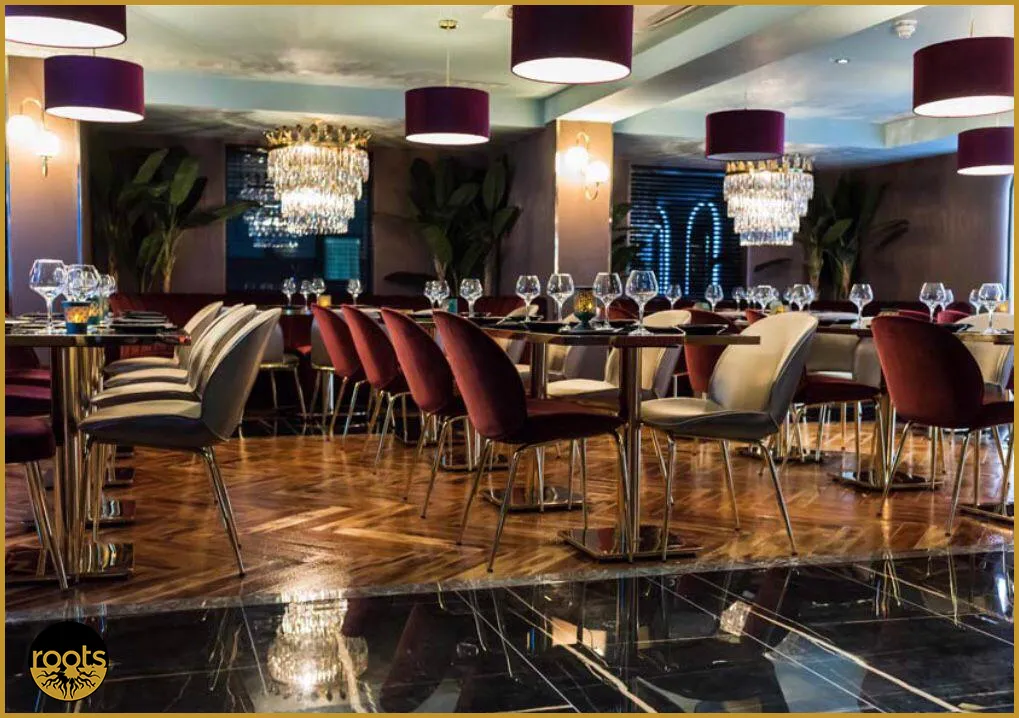
Aesthetics and Functionality in Architectural Restaurant and Garden Furniture
The success of a restaurant or cafe depends not only on the quality of the dishes served, but also on the comfort of the atmosphere in which guests find themselves. The concept of architectural restaurant furniture is one of the most critical elements that defines the identity of the space, reflects the brand value and directly affects the user experience. This furniture is not merely a means of meeting seating needs, but design elements that complete the architectural integrity of the space.
When choosing between the furniture you will prefer in your establishment's interior and the restaurant garden furniture options, it must not be forgotten that both areas have their own unique needs. Outdoor furniture must withstand harsh weather conditions, while indoor furniture focuses more on details such as tactile quality and acoustic performance.
What Does the Right Furniture Choice Change?
The use of the right furniture in restaurant projects optimizes the capacity of the space while also increasing operational efficiency. A quality and ergonomic choice provides the following advantages:
- Customer Satisfaction: Comfortable chairs and tables at the right height allow customers to spend longer periods of time in the space.
- Operational Convenience: Light but durable materials save staff time during cleaning and space arrangement.
- Brand Perception: Furniture compatible with the architectural design sends the message that your establishment is professional and meticulous.
- Long-Lasting Investment: Furniture designed for commercial use (contract type) has much higher durability than household furniture.
Material Selection and Comparison
When choosing furniture for your restaurant, the type of material is decisive for cost, maintenance and service life. The following table compares the most preferred material types according to different criteria:
| Material Type | Durability | Area of Use | Maintenance Need | Cost Scale |
|---|---|---|---|---|
| Solid Wood | High (Indoor) | Interior Architecture | Regular polishing | High |
| Metal (Aluminum/Steel) | Very High | Indoor & Outdoor | Low | Medium - High |
| Synthetic Rattan | High (Weather Conditions) | Garden & Terrace | Very Low | Medium |
| Polypropylene (Plastic) | Medium - High | Outdoor & Fast Food | Minimum | Economical |
Critical Points to Consider Before Purchasing
Focusing only on appearance during the decision-making stage can lead to costly mistakes later on. Here are some fundamental elements you need to pay attention to:
- Purpose of Use: Is the furniture being chosen for a fast food chain with heavy foot traffic, or for a fine-dining restaurant aiming for long seating periods?
- Climate Conditions: When choosing restaurant garden furniture, resistance to UV rays and rust-proofing (especially in coastal areas, aluminum should be preferred) must be a priority.
- Ergonomics: The balance between chair and table height must comply with standards (generally table 75cm, chair seat 45cm).
- Fabric Quality: For upholstered products, fabrics that are stain-resistant, easy to clean and have high abrasion resistance (Martindale test) should be selected.
- Stackability: Especially in gardens and terraces, the ability to stack furniture at the end of the season or during cleaning is a major storage advantage.
Why Should Architectural Solutions Be Preferred?
The main reason for choosing architectural restaurant furniture instead of standard retail products is that the products have been tested according to commercial standards. While a household chair is used 2-3 times a day, a restaurant chair is used dozens of times a day by people of different weights. Architectural solutions are designed with their connection points, frame structure and surface quality to respond to this intensive use.
Frequently Asked Questions
Which material is more durable in outdoor furniture?
For outdoor spaces, furniture with an aluminum frame and synthetic rattan or teak wood details are the most durable solutions. Aluminum does not rust, and teak wood is resistant to water thanks to its natural oils.
How should furniture selection be for a small restaurant area?
In narrow spaces, armless chairs and central pedestal (spider base) tables should be preferred. This choice provides maximum seating capacity without restricting customers' movement area.
Why is the warranty process important in restaurant furniture?
In commercial establishments, furniture is exposed to high stress. The "contract" warranty offered by the manufacturer protects your investment against frame and material defects.
In conclusion, the selection of architectural restaurant furniture and restaurant garden furniture requires a balanced decision within the triangle of aesthetics, comfort and durability. Turning to professional solutions that reflect the spirit of your venue, are user-friendly and offer low maintenance costs in the long term will contribute to the permanence of your business success.











































































