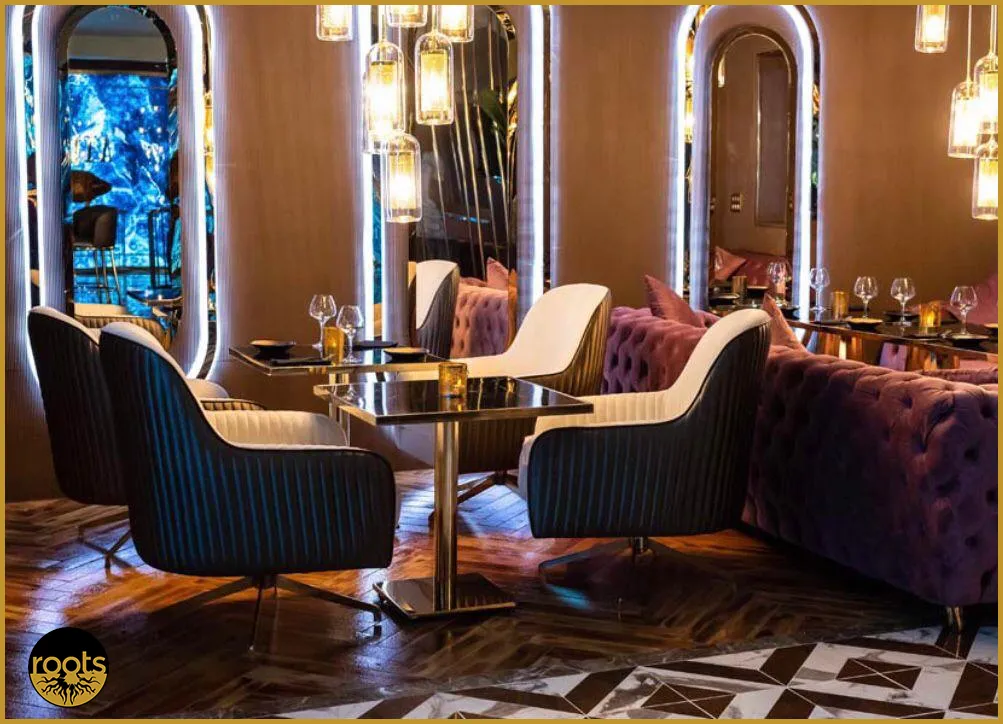
ARCHITECTURAL RESTAURANT FURNITURE- RESTAURANT GARDEN FURNITURE Selection Guide
What Is Architectural Restaurant Furniture and What Does It Do?
Architectural restaurant furniture is specially designed furniture that not only meets seating and table needs but also integrates with the overall design concept of the space and takes aesthetic concerns into account. This furniture reflects the identity of the restaurant, contributes to its branding and offers customers an unforgettable experience. With visual appeal as much a priority as functionality, this furniture enriches the ambiance of interior spaces.
What Is Restaurant Garden Furniture and Why Is It Important?
Restaurant garden furniture is weather-resistant, aesthetic and comfortable furniture used in the outdoor areas of restaurants (veranda, terrace, garden, courtyard, etc.). This furniture expands the usable area of the venue and offers the opportunity to serve more guests. Correctly chosen garden furniture makes outdoor areas inviting and practical, giving customers a dining experience in a different atmosphere.
Who Is It Suitable For?
This type of furniture is ideal primarily for the following types of businesses:
- Restaurants
- Cafes
- Bars
- Hotels
- Resort Areas
- Other commercial businesses providing food and beverage services
What Needs Does It Meet?
Architectural restaurant and garden furniture meets various needs of businesses:
- Customer Comfort: Comfortable seating groups and ergonomically designed chairs encourage longer stays.
- Venue Capacity: Functional table and chair arrangements optimize seating capacity.
- Aesthetics and Ambiance: By harmonizing with or standing out within the overall decoration of the venue, it strengthens the brand's image.
- Durability and Longevity: It is produced from materials resistant to intensive use and environmental effects (especially for garden furniture).
- Expansion of Venue Usage: With garden furniture, new usage areas are created by moving beyond the interior space.
- Easy Maintenance and Cleaning: Hygiene and practicality are important in commercial businesses; this furniture is generally easy to clean.
In Which Situations Should It Be Preferred?
Your business may consider investing in architectural restaurant or garden furniture in the following situations:
- If a new restaurant or cafe is being opened.
- If the decoration of the existing business is to be renewed and made more attractive.
- If an outdoor usage area (garden, terrace, etc.) is available and is to be utilized.
- If a more luxurious or specific ambiance is to be created in line with the expectations of the target audience.
- If the goal is to increase customer satisfaction and raise the repeat visit rate.
Material Types and Comparison
The materials used in restaurant furniture differ in terms of durability, aesthetics and cost. For garden furniture, weather resistance is the most important criterion.
| Material Type | Durability (Indoor/Outdoor) | Cost (Overall Assessment) | Aesthetics and Area of Use |
|---|---|---|---|
| Solid Wood (Teak, Oak, etc.) | High (Specially treated for outdoor use) | Medium-High | Offers a natural, warm and rustic look. Suitable for gardens and restaurant interiors. May require maintenance. |
| Metal (Aluminum, Iron, Stainless Steel) | Very High (Usually specially coated for outdoor use) | Medium-High | Adapts to modern, industrial or classic designs. Lightweight and durable. |
| Synthetic Rattan (Polyrattan) | High (UV protected, weather resistant) | Medium | Offers a look similar to natural rattan, is lightweight and requires no maintenance. Generally preferred for garden furniture. |
| Plastic/Polypropylene | Medium-High (UV-added models are more durable) | Low-Medium | Lightweight, colorful and easy to clean. Mostly preferred for cafes and casual restaurants. Suitable models for outdoor use are available. |
| Fabric/Leather (Upholstered) | Medium (Specially finished and waterproof fabrics should be preferred for outdoor use) | Medium-High | Gives a feeling of comfort and luxury. More ideal for indoor spaces. Requires maintenance and protection in outdoor use. |
What Are Its Differences from Alternatives?
Unlike standard furniture, architectural restaurant and garden furniture stands out with the following features:
- Design Focus: It has original and aesthetic designs compatible with the architecture and concept of the space.
- Functionality and Ergonomics: It is designed with ease of use, comfort and the most suitable layout for the space in mind.
- Material Quality and Durability: Materials that will show superior durability against intensive commercial use and external factors are used.
- Reflecting Brand Identity: It includes elements that directly reflect the prestige and concept of the business.
- Customer Experience Focus: The ultimate goal is to offer the customer a pleasant, comfortable and memorable experience.
Things to Consider Before Purchasing
To make the right furniture choice, it is important to pay attention to the following points:
- Size and Layout of the Space: Furniture must fit the space and leave a comfortable circulation area.
- Business Concept and Target Audience: Furniture should be compatible with the overall concept of your restaurant (modern, classic, rustic, etc.) and the expectations of your target customer base.
- Material Selection: The durability, maintenance, cleaning and suitability of the material to be used for weather conditions (for outdoor use) should be taken into consideration.
- Ergonomics and Comfort: Ergonomically designed products that your customers can be comfortable in for a long time should be preferred.
- Budget: Evaluate the best option within your determined budget without compromising on quality.
- Ease of Maintenance: Cleaning and maintenance should not be time-consuming in commercial businesses. Materials that are easy to clean and require little maintenance provide an advantage.
- Color and Style Harmony: The harmony of colors and styles with the overall decoration of the space is critical in creating the desired atmosphere.
- International Standards and Certificates: Products with certificates showing their suitability for commercial use, in particular, can be preferred.











































































