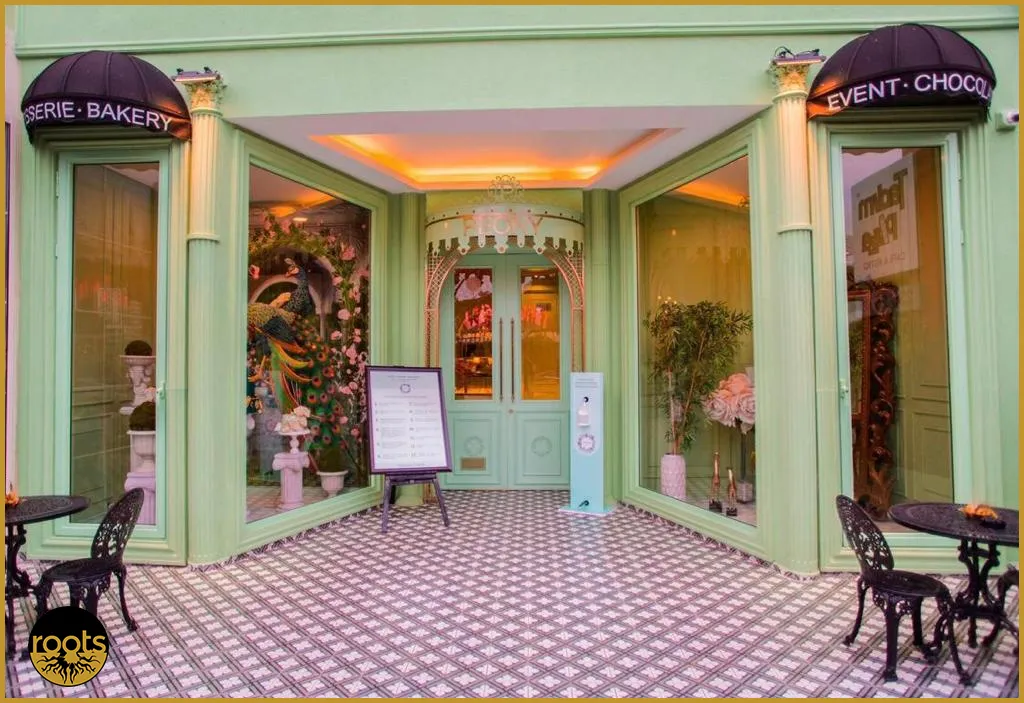
ARCHITECTURAL RESTAURANT FURNITURE- RESTAURANT GARDEN FURNITURE: Choices That Add Identity to Spaces
The success of a restaurant is not limited to serving delicious food. The bond guests establish with the space is an inseparable part of the experience offered. One of the most important components of this experience is undoubtedly the design and furniture of the space. At this point, architectural restaurant furniture and restaurant garden furniture are strategic investments that go beyond being mere seating tools, reflecting the spirit of your business, strengthening your brand identity and directly affecting customer satisfaction.
This comprehensive guide aims to provide you with the information that will help you find answers to all the questions you may encounter while making the right furniture choice for your business, discover solutions that bring together architectural aesthetics and functionality, and make a long-term investment.
The Point Where Aesthetics and Functionality Meet for Your Business
Architectural restaurant and restaurant garden furniture go beyond ordinary furniture and are products specially considered and produced in accordance with the overall design language of a space. These furniture are solutions that enrich the atmosphere of the business, provide comfort and at the same time offer durability suitable for commercial use, both indoors and outdoors.
Who Is It Suitable For?
This type of furniture is generally ideal for the following businesses:
- Restaurants and Cafes: Restaurants and cafes of all concepts and sizes need furniture that reflects their brand identity and enhances the customer experience.
- Hotels and Holiday Resorts: Businesses seeking aesthetic and durable solutions for lobbies, restaurant areas, poolside areas and gardens.
- Bars and Pubs: Businesses that want to create comfortable and stylish seating arrangements both indoors and in terrace and garden areas.
- Shopping Mall Food Areas: Commercial areas seeking long-lasting, easy-to-clean and aesthetically pleasing furniture.
- Corporate Clients: Professional and durable solutions for office cafeterias, social areas and event venues.
Which Needs Does It Meet?
Architectural and garden restaurant furniture meets multiple critical needs:
- Creating Aesthetics and Ambiance: Strengthens the overall atmosphere and brand image of the space.
- Customer Comfort: Thanks to ergonomic designs, it ensures guests are comfortable and encourages them to stay longer.
- Durability and Long Life: Produced from materials resistant to intensive commercial use and outdoor conditions.
- Space Optimization: Offers solutions suitable for spaces of different sizes and forms, ensuring efficient use of the area.
- Easy Maintenance and Hygiene: Offers easy-to-clean and hygienic surfaces, which are critical for commercial businesses.
- Brand Consistency: Provides visual integrity by making choices compatible with the concept of your business.
In Which Situations Should It Be Preferred?
This type of furniture is generally the primary choice in the following scenarios:
- When opening a new restaurant, cafe or hotel.
- In a renovation or concept change project of an existing space.
- When creating or expanding outdoor (terrace, garden, balcony) seating areas.
- When the goal is to increase customer experience and brand value.
- When non-durable or worn-out furniture needs to be replaced.
Material Guide According to Durability, Aesthetics and Budget
The variety of materials used in architectural restaurant and garden furniture is quite extensive. Each material has its own advantages and disadvantages. To make the right choice, factors such as the durability, maintenance requirements, aesthetic appearance and cost of the material must be taken into consideration.
| Material Type | Durability | Indoor/Outdoor Suitability | Ease of Maintenance | Cost Range |
|---|---|---|---|---|
| Wood (Teak, Acacia, Oak, etc.) | High (with proper treatment and maintenance) | Indoor & Outdoor (with special protection outdoors) | Medium (periodic oiling/painting may be required) | Medium - High |
| Metal (Aluminum, Stainless Steel, Wrought Iron) | Very High | Indoor & Outdoor (stainless steel/aluminum perform better outdoors) | High (easy to clean, resistant to rust) | Medium - High |
| Plastic (Polypropylene, Polycarbonate) | Medium - High | Indoor & Outdoor (UV-protected products are ideal for outdoors) | Very High (easy to clean with water) | Low - Medium |
| Rattan / Synthetic Rattan | Medium (natural rattan is not suitable for outdoors) / High (synthetic) | Indoor (natural) / Outdoor (synthetic) | Medium (clean with a damp cloth, synthetic requires less maintenance) | Medium - High |
| Fabric (Outdoor Fabrics) | High (special water- and UV-resistant fabrics) | Outdoor (for cushions and upholstery) | Medium (resistant to staining and fading but requires cleaning) | Medium - High |
Comprehensive Guide for Choosing the Right Furniture
Being careful when choosing restaurant furniture that will serve for many years once invested in ensures both that you protect your budget and that you contribute to the future of your business. Here are the important points you need to pay attention to:
-
The Concept and Theme of the Venue:
Choose furniture that is compatible with the overall decoration style of your business (modern, rustic, industrial, bohemian, etc.) and its color palette. Furniture should tell the story of your venue and offer your customers a consistent experience.
-
Purpose and Intensity of Use:
Evaluate how often and by whom the furniture will be used. For a venue with heavy foot traffic, more durable and easily cleanable materials should be preferred. For example, the furniture needs of a fast-food restaurant and a fine-dining restaurant will be different.
-
Space Management and Ergonomics:
Choose furniture in sizes and shapes that will use your existing space in the most efficient way. The distance of chairs and tables from each other, walkways and the comfort of seating arrangements are important from an ergonomic perspective. Customers being able to move and sit comfortably increases their overall satisfaction.
-
Durability and Ease of Maintenance:
Commercial furniture, unlike home furniture, is exposed to much more intensive use. Prefer products made from materials resistant to scratches, impacts, stains and weather conditions (especially for garden furniture). Easy maintenance reduces your operating costs and extends the life of your furniture.
-
Budget Planning:
Set a clear budget for furniture purchase. Instead of choosing the cheapest option, focus on researching quality products that balance price/performance and will cause you fewer problems in the long run. Remember, low-quality furniture can end up costing you more by creating a need for replacement in a short time.
-
Legal Regulations (Especially for Garden Furniture):
When choosing outdoor furniture, check the regulations of municipalities or local authorities regarding outdoor space use. There may be restrictions on dimensions, layout and permits.
-
Supplier Reliability and Warranty:
Working with a reliable supplier is important for both product quality and after-sales support. Be sure to learn the warranty periods and service options of the products.
Frequently Asked Questions
What is the most important criterion when choosing restaurant furniture?
The most important criterion is the harmony between your business's concept and the aesthetics, functionality and durability of the furniture. Furniture should not only look pleasing to the eye, but also withstand intensive use and ensure customer comfort.
How should outdoor restaurant furniture be protected in winter?
To protect outdoor furniture in winter, you can use waterproof covers, move it to a storage area, or apply special winter protective care. Regular maintenance and protection are essential, especially so that wooden furniture is not affected by rain and snow.
How should space-efficient furniture be chosen for a small restaurant?
For small spaces, multi-functional solutions that take up little room, such as folding or stackable chairs, wall-mounted tables or corner sets, should be preferred. Light colors and minimalist designs can also make the space appear larger.
What is the difference between architectural restaurant furniture and standard furniture?
Architectural restaurant furniture is generally products designed and manufactured specifically for the identity of the business, within a special concept determined by an interior architect or designer. Standard furniture, on the other hand, is mass-produced products intended for more general use. Architectural furniture is generally at a higher level in terms of design details, material quality and durability.
What are the sustainable restaurant furniture options?
Sustainable options include wooden furniture obtained from FSC-certified forests, products made from recycled metals or plastics, furniture made from rapidly renewable resources such as bamboo, and long-lasting, repairable designs. Suppliers with environmentally friendly production processes that reduce the ecological footprint can be preferred.
An Investment That Adds Value to Your Space
The choice of architectural restaurant furniture and restaurant garden furniture is an important step for the future of your business. The right furniture creates an unforgettable experience for your guests while raising your business's brand value and offering a cost-effective solution in the long term. By taking the information in this guide into consideration, you can contribute to the success of your business by choosing the most suitable, aesthetic and functional furniture for your space.











































































