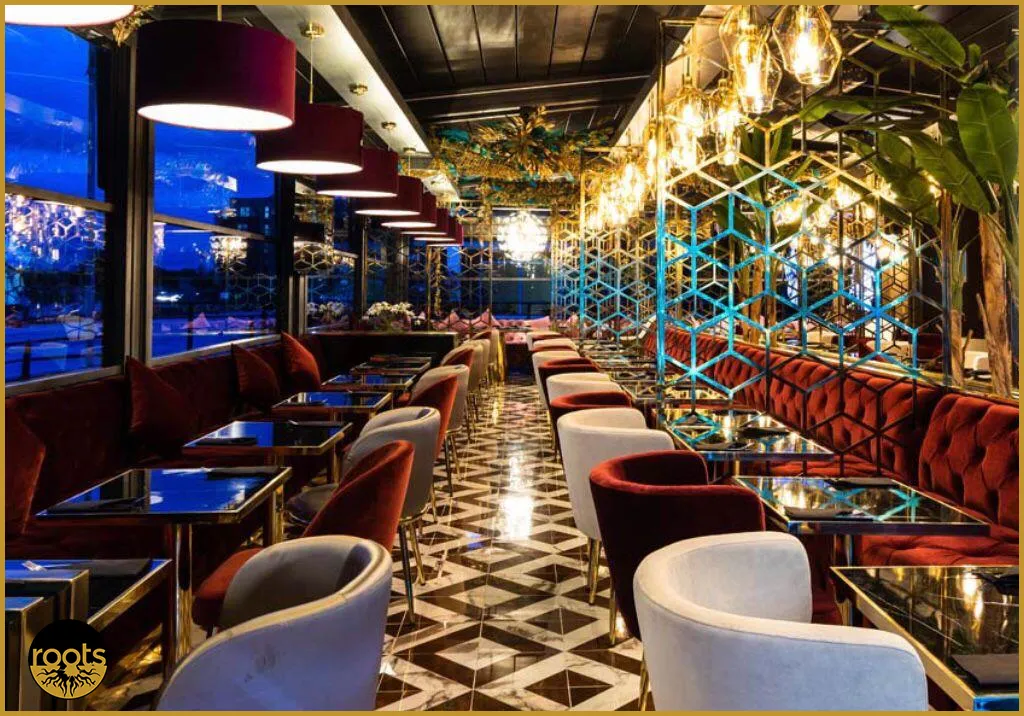
Architectural Restaurant Furniture: Where Aesthetics and Functionality Meet
The atmosphere of your restaurant is one of the most important elements directly affecting your guests' experience. Architectural restaurant furniture is not merely a matter of seating groups; it is a strategic element that defines the overall design identity, aesthetics and functionality of the space. Choosing furniture that reflects a restaurant's identity, prioritizes user comfort and suits the purpose of the space is critical to the success of your business.
This furniture consists of products used in the restaurant's interior, integrated with the architectural project, and designed or selected specifically for the space. It covers various items such as dining tables, chairs, bar stools, seating groups and service units. The main purpose of architectural restaurant furniture is both to meet aesthetic expectations and to ensure that restaurant operations run efficiently.
What Does Architectural Restaurant Furniture Do?
- Reflecting the Identity of the Space: It emphasizes the restaurant's concept and brand value through design, style and material choice. It can adapt to spaces in different styles such as modern, classic, rustic and industrial.
- Enhancing User Comfort: Thanks to ergonomic designs and quality materials, it ensures guests remain comfortable for long periods.
- Optimizing Space Usage: With different seating arrangements and furniture types, it allows every corner of the space to be used effectively.
- Supporting Operational Efficiency: Durable, easy-to-clean and low-maintenance furniture reduces the workload of restaurant staff and speeds up operational processes.
- Strengthening the First Impression: Stylish and harmonious furniture that appeals to the eye leaves a positive impression from the moment guests step into the space.
Who Is It Suitable For?
Architectural restaurant furniture can meet the needs of every type of dining venue:
- Luxury Restaurants: Ideal for those seeking quality materials, custom designs and a sophisticated aesthetic.
- Cafes and Bistros: Stands out with furniture that is used all day long and offers a comfortable and inviting atmosphere.
- Fast-Food Restaurants: Offers durable, easy-to-clean solutions suited to fast turnover.
- Bars and Lounge Areas: Ensures guests have an enjoyable time with stylish and comfortable seating arrangements.
- Hotel Restaurants and Service Areas: Raises service quality with functional and aesthetic furniture that is compatible with corporate identity.
- Outdoor Spaces: Offers weather-resistant options specially designed for areas such as gardens and terraces.
Restaurant Garden Furniture: Comfort and Elegance in Outdoor Spaces
The outdoor areas of restaurants become attractive to guests, especially in spring and summer. Restaurant garden furniture aims to offer an unforgettable open-air dining experience by enriching these areas both aesthetically and functionally. This furniture must be resistant to weather conditions while also harmonizing with the overall architectural style of the space.
Garden furniture covers a wide range of products such as outdoor tables, chairs, armchairs, sun loungers, parasols and side tables. When making a selection, the durability of the material, ease of maintenance and comfort should be prioritized.
What Needs Does Garden Furniture Meet?
- Expanding the Space: It provides the opportunity to serve more guests by increasing indoor capacity.
- Creating a Different Atmosphere: It adds a different dimension to your restaurant by offering open-air enjoyment.
- Integration with Nature: It allows guests to spend pleasant time surrounded by greenery or under the sun.
- Aesthetic Contribution: It beautifies the exterior appearance of the space and creates an inviting atmosphere.
When Should It Be Preferred?
Restaurant garden furniture is an ideal choice in the following situations:
- If your restaurant has a garden, terrace, veranda or outdoor seating area.
- If you have areas suitable for seasonal outdoor use.
- If you want to offer your guests a comfortable environment in touch with nature.
- If you want to create a consistent design language in both the indoor and outdoor areas of the space.
Material Types: Durability, Area of Use and Cost Comparison
In restaurant furniture selection, the type of material directly affects the durability, maintenance needs, aesthetic appearance and cost of the product. Different materials may be more suitable for different space types and usage intensities.
| Material Type | Durability | Indoor Suitability | Outdoor (Garden) Suitability | Ease of Maintenance | Average Cost |
|---|---|---|---|---|---|
| Natural Wood (Teak, Solid Pine, etc.) | High (Especially Teak) | Yes | Yes (If properly treated) | Medium (May require oiling, polishing) | Medium - High |
| Metal (Aluminum, Iron, Stainless Steel) | Very High | Yes | Yes | High (Cleaning is sufficient) | Medium - High |
| Synthetic Rattan (Polyrattan) | High | Yes | Yes | High (Wipeable) | Medium |
| Plastic (High-Density Polyethylene, etc.) | Medium - High | Yes | Yes | Very High (Easy to clean) | Low - Medium |
| MDF / Particleboard (Coated) | Low - Medium (Sensitive to moisture) | Yes | No | Medium (May stain) | Low |
| Leather / Faux Leather | Medium - High (Depends on use) | Yes | No (Must be specially treated) | Medium (Requires cleaning and maintenance) | Medium - High |
| Fabric (Water-repellent, UV-protected outdoor fabrics) | Medium (High with special fabric types) | Yes | Yes (With special fabric types) | Medium (May stain) | Medium |
Note: The durability of materials may vary depending on workmanship, the coatings used and the manner of maintenance. In outdoor furniture, rust resistance, resistance to UV rays and water-repellent properties should be prioritized.
Things to Consider Before Purchasing
Choosing the right furniture for your restaurant will both increase the value of your investment and raise customer satisfaction. Important points to consider in this process are as follows:
- The Concept and Style of the Venue: Your furniture must be compatible with the overall architectural design, decoration and brand identity of your restaurant.
- Purpose of Use and Capacity: The size of the tables, chair types and seating arrangement should determine the capacity of your venue and how guests will be hosted. More durable and easy-to-clean models should be preferred for intensive use.
- Comfort and Ergonomics: The comfort of your guests is important for long periods of sitting. The ergonomic structure of chairs and seating groups should not be overlooked.
- Material Selection: Considering the material properties stated above, choose the material most suitable for the intensity of use of your venue, whether it is indoor or outdoor, and your budget. Weather-resistant materials are essential for outdoor furniture.
- Durability and Quality: Restaurant furniture is subject to intensive use. Therefore, choosing products with sturdy construction, high-quality workmanship and long life provides a cost advantage in the long term.
- Ease of Maintenance and Cleaning: Especially in places with heavy restaurant traffic, furniture being made of materials that are easy to clean and require little maintenance increases operational efficiency.
- Budget: When choosing furniture, it is important to set a budget and, within this budget, turn to products that offer the best quality and functionality.
- Customer Reviews and References: Learning about the previous user experiences of the products can help you make the right decision.











































































