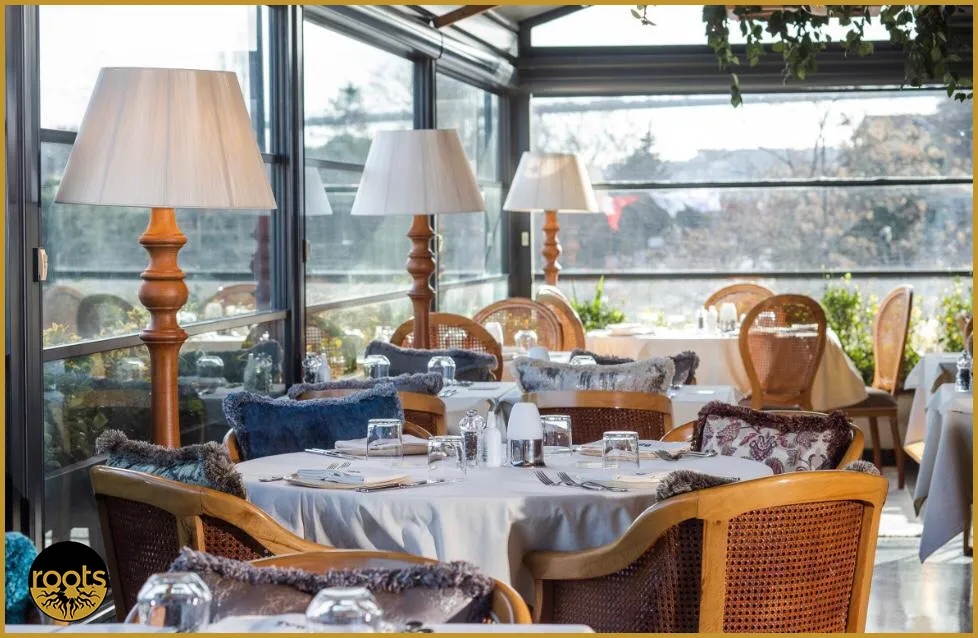
ARCHITECTURAL RESTAURANT FURNITURE- RESTAURANT GARDEN FURNITURE: Harmony of Design and Function
One of the most fundamental elements that determine the character of a business is the furniture choices that reflect the spirit of the space. The concept of architectural restaurant furniture goes beyond merely providing a seating arrangement; it refers to an engineering and design process that directly affects the flow of the space, the customer experience and the brand value of the business. Correctly selected furniture maximizes guest comfort while providing long-term cost advantage and operational ease for business owners.
Who Is Restaurant and Garden Furniture Suitable For?
This furniture group is a necessity not only for high-budget luxury restaurants but also for cafes, hotels, bistros, seaside businesses and even corporate offices seeking professional outdoor arrangement. When choosing furniture, the aim is to meet the following needs:
- Spatial Efficiency: Solutions that provide maximum seating capacity in narrow spaces without restricting freedom of movement.
- Durability and Circulation: Furniture used hundreds of times a day must be resistant to wear, impact and cleaning chemicals.
- Aesthetic Integrity: Supporting the architectural concept (industrial, modern, classic or bohemian) with furniture forms.
Technical Differences in Outdoor and Garden Furniture
When it comes to restaurant garden furniture, the selection criteria differ sharply from indoor furniture. Outdoor furniture must be tested against UV rays, humidity changes, rain and sudden temperature differences. Garden furniture designed with an architectural approach includes details such as drainage holes that evacuate water, fabric technologies that do not fade in sunlight and metal components that do not corrode.
Comparison Table by Material Types
| Material Type | Durability | Area of Use | Cost | Maintenance Need |
|---|---|---|---|---|
| Solid Wood (Iroko/Teak) | Very High | Indoor and Outdoor | High | Annual Periodic Maintenance |
| Electrostatic Powder Coated Metal | High | Indoor and Outdoor | Medium | Low |
| Polypropylene (Plastic/Fiberglass) | Medium-High | Outdoor/Bistro | Economical | Very Low |
| Synthetic Rattan | Medium | Garden/Terrace | Medium | Low |
Critical Points to Consider Before Purchasing
Evaluating the following items before making your investment decision will minimize your business's future maintenance and renovation expenses:
- Stackability: Especially in garden furniture, the ability of furniture to stack during end-of-season storage or daily cleaning provides great space savings.
- Weight Balance: Furniture should be heavy enough not to move in windy weather, yet light enough that staff are not strained when relocating it.
- Ergonomics: Seat depth and back angle affect the customer's length of stay. Steeper seats should be preferred in places where fast circulation is desired, and wider seats in pleasure-focused venues.
- Fabric Technology: Outdoor fabrics being water repellent and stain-resistant is critical in terms of hygiene standards.
Why Should Architectural Restaurant Furniture Be Preferred?
The main difference between standard residential furniture and commercial (contract) furniture is the response to usage intensity. While home furniture is used a few times a day, restaurant furniture is used 10-15 times a day by different people. Architectural restaurant furniture is produced with industrial joint details and reinforced frame structures suited to this cycle. Although this may seem to have a higher initial cost compared to alternatives, it becomes a much more profitable investment when based on service life.
Frequently Asked Questions
Question 1: Which type of metal is more durable in outdoor furniture?
Answer: Stainless steel and aluminum are the most durable options. Aluminum is frequently preferred, especially in seaside businesses, due to its lightness and natural resistance to corrosion.
Question 2: Should fabric or leather be chosen for restaurant chairs?
Answer: Indoors, easily cleanable faux leathers or fabrics with high abrasion resistance (high Martindale test) should be chosen. Outdoors, only acrylic-based fabrics produced specifically for outdoor environments should be preferred.
Question 3: Which material is more hygienic for table tops?
Answer: Compact laminate and marble/ceramic tops, thanks to their non-porous structure, are more resistant to bacteria and can be easily disinfected.
In conclusion; the choice of architectural restaurant and garden furniture is the hidden hero of a business's operational success. Professional choices that combine material quality with aesthetics are not just a decorative element, but also a strategic tool that increases customer satisfaction. By correctly analyzing your venue's needs, you can create a long-lasting and stylish atmosphere both indoors and outdoors.











































































