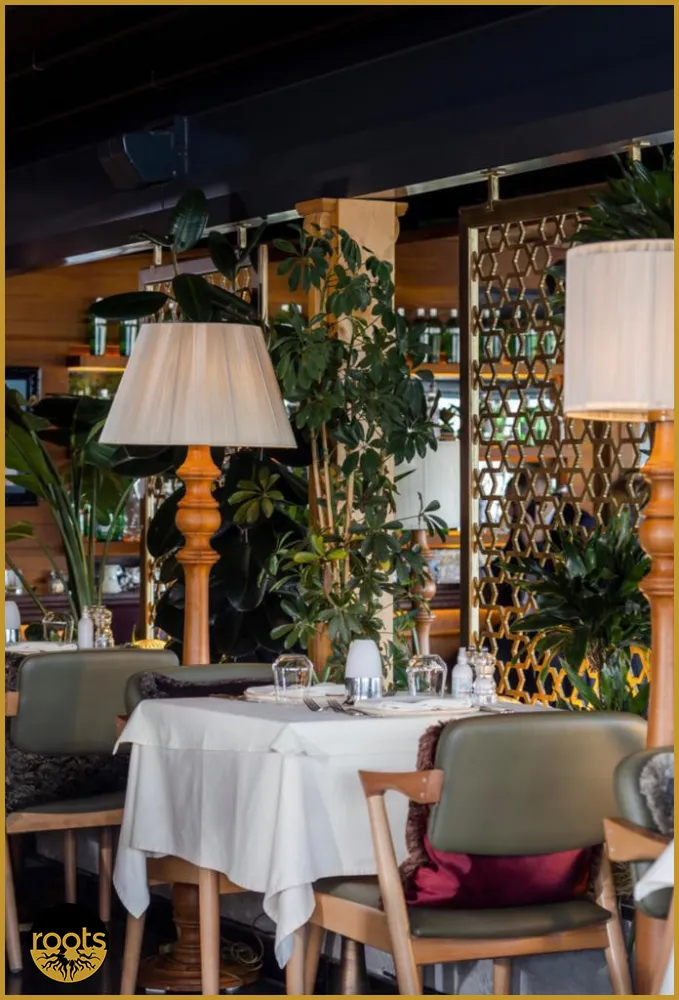
Architectural Restaurant & Garden Furniture: Choices That Reflect the Soul of Your Venue
The atmosphere of your restaurant has as much impact as the flavors you serve, and sometimes even more. The furniture that accompanies your guests from their first impression to the end of their dining experience defines the identity and quality of the venue. At this point, architectural restaurant furniture and restaurant garden furniture, which both meet aesthetic expectations and offer durability and functionality, come into play.
Architectural restaurant furniture is not limited to seating groups; it also encompasses all elements that create the overall design integrity of the venue, such as bar stools, service units, decorative accessories and lighting elements. Garden furniture, on the other hand, offers comfortable options specially designed for outdoor use and resistant to weather conditions. Together, these two categories allow you to create a consistent and inviting atmosphere in both the indoor and outdoor spaces of your restaurant.
What Are Architectural Restaurant and Garden Furniture For?
Beyond meeting the primary needs of restaurants, this special furniture elevates the aesthetic value of the venue and improves the user experience.
- Comfort and Convenience: It offers your guests areas where they can sit comfortably for long periods and have an enjoyable time. It includes ergonomic designs that allow service staff to move easily.
- Aesthetics and Brand Identity: Choosing furniture compatible with the overall concept of the venue strengthens your brand identity and helps you create a memorable image.
- Space Efficiency: With solutions such as tables in different sizes, modular seating groups and stackable chairs, it allows you to optimize the use of the space.
- Durability and Longevity: Produced from materials resistant to intensive use and various weather conditions (for garden furniture), this furniture provides cost savings in the long term.
- Spatial Partitioning: The types of furniture used (for example, tables or seating groups at different heights) can create natural partitions within the space, creating different experience areas.
Who Is It Suitable For?
Architectural restaurant and garden furniture is ideal not only for standard restaurants but for all kinds of dining venues and social spaces:
- Restaurants: It is indispensable for restaurants of every scale and concept.
- Cafes and Bistros: It is suitable for venues seeking a more relaxed and friendly atmosphere.
- Bars and Pubs: It offers stylish and durable seating solutions.
- Hotel Restaurants and Terraces: It offers options that combine luxury and comfort.
- Outdoor Venues: Models specially designed for areas such as garden restaurants, terraces and beach clubs are available.
- Event Spaces: It can offer portable and stylish solutions for country weddings, festivals or special organizations.
What Needs Does It Meet?
This furniture offers solutions for various fundamental needs faced by restaurant operators:
- Customer Satisfaction: A comfortable and aesthetic environment increases customer satisfaction and raises the repeat visit rate.
- Maximizing Space Usage: With furniture in different sizes and shapes, it is possible to use every square meter in the most efficient way.
- Easy Maintenance and Cleaning: Materials suitable especially for commercial use facilitate cleaning and maintenance processes.
- Aesthetic Integrity of the Venue: The compatibility of indoor and outdoor furniture with each other reinforces your brand's professional image.
- Seasonal Use (Garden Furniture): With its weather-resistant structure, outdoor furniture offers additional seating space and revenue potential during the spring and summer months.
When Should It Be Preferred?
Architectural restaurant and garden furniture stands out especially in the following situations:
- Opening a New Restaurant: It plays a critical role in determining the initial concept and atmosphere of the venue.
- Renovation of an Existing Venue: When the venue needs to be modernized by replacing worn-out furniture.
- Strengthening Brand Image: When a more prestigious and original image is desired.
- Increasing Outdoor Use: To make areas such as gardens, terraces or verandas more functional.
- Applying a Specific Design Concept: When the goal is to reflect a specific style such as modern, rustic, industrial or minimal throughout the restaurant.
Material Options and Comparison
The materials used in restaurant furniture show great differences in terms of both aesthetics and functionality. Here is a comparison of some commonly used materials on the axis of durability, area of use and cost:
| Material Type | Durability | Interior Architectural Suitability | Exterior Architectural Suitability | Cost (Average) |
|---|---|---|---|---|
| Solid Wood (Teak, Oak, etc.) | Very High (With Maintenance) | High | High (With Proper Maintenance) | High |
| Metal (Aluminum, Iron, Stainless Steel) | High | High | High (If Coated Against Rust) | Medium - High |
| Plastic / Polypropylene | Medium - High | Medium | Medium - High (If UV Protected) | Low - Medium |
| Synthetic Rattan / Wicker | High | Medium | High | Medium |
| MDF / Particleboard (Coated) | Medium (Sensitive to Moisture) | High | Low | Low - Medium |
| Glass / Tempered Glass (Tabletops) | Medium - High | High | Medium (May Stain) | Medium |
Material selection should be made carefully according to factors such as the concept of the venue, frequency of use and budget. Especially in outdoor furniture, features such as UV protection, waterproofing and rust resistance are of great importance.
What Are Its Differences from Alternatives?
Unlike standard home furniture or ordinary commercial furniture, architectural restaurant and garden furniture stand out with the following features:
- Suitability for Commercial Use: They are designed to withstand daily and intensive use. Their materials and structures are more robust.
- Design Focus: They have custom designs that are compatible with the overall aesthetics of the venue and reflect the brand identity.
- Ergonomics and Comfort: They are produced according to ergonomic principles so that customers can be comfortable for long periods and service staff can work easily.
- Compliance with Regulations (In Some Cases): They may comply with certain standards that may apply to commercial venues, such as flame-retardant properties or hygiene standards.
- Resistance to Weather Conditions (Garden Furniture): Outdoor products are made from materials specially treated against sun, rain, moisture and temperature changes.
Things to Consider Before Purchasing
Choosing the right furniture for your restaurant is a long-term investment. Here are the important points that will make your decision-making process easier:
- Concept and Size of the Venue: Make sure that the furniture is compatible with the overall decoration style of your venue and is in sizes suitable for your available space.
- Material Quality and Durability: Prefer materials that can withstand frequent use and outdoor conditions in particular, are easy to clean and are long-lasting.
- Comfort and Ergonomics: Prioritize the comfort of your customers. Consider details such as the seat depth of the chairs, back support and table heights.
- Ease of Maintenance: Cleaning and maintenance are of critical importance in a restaurant environment. Prefer furniture with surfaces that are easy to wipe, do not stain and are durable.
- Budget and Cost-Benefit Analysis: In addition to the initial purchase cost, calculate the long-term cost of the furniture by considering its lifespan, maintenance costs and durability.
- Delivery Time and Assembly: Plan logistics details in advance, such as when the furniture will be delivered and who will carry out the assembly.
- Warranty and After-Sales Services: Learn about the warranty conditions offered by the manufacturer or seller and the service services provided in case of a possible problem.
- Customer Reviews and References: Do research to learn how other businesses have experienced this furniture.











































































