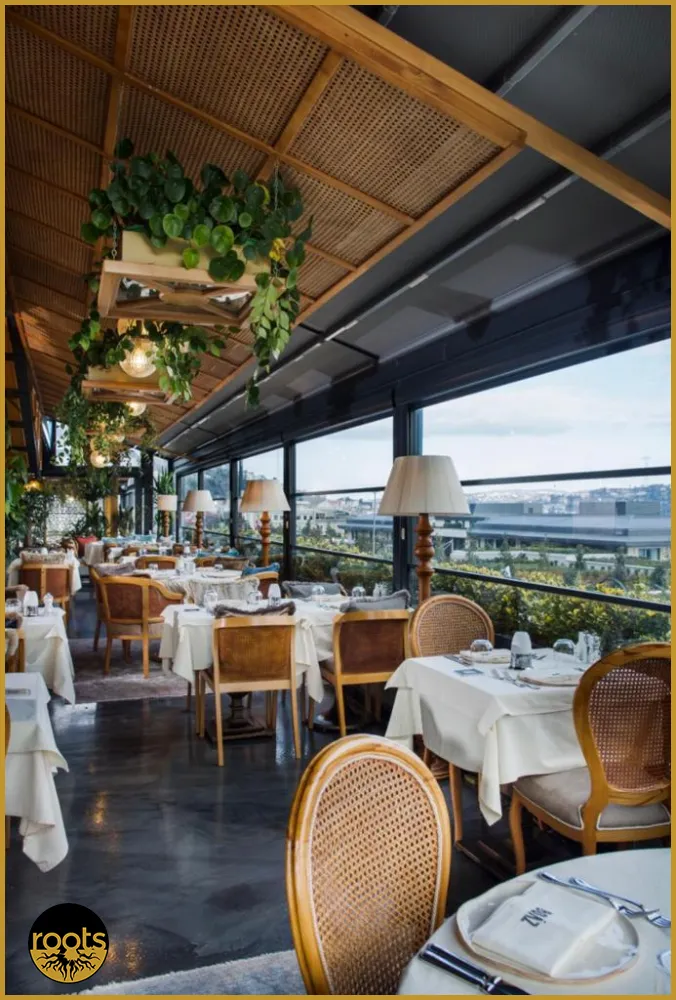
Restaurant Garden Furniture and Architectural Restaurant Furniture: Transform Your Space
With architectural restaurant furniture and restaurant garden furniture options that complement your restaurant's atmosphere and are both aesthetic and functional, it is possible to offer your guests an unforgettable experience. These furniture pieces, which transform your outdoor spaces into living areas, reflect the identity of your venue while also bringing comfort and durability.
Choosing products that adapt to the overall design concept of the space, are resistant to seasonal conditions and long-lasting is of critical importance for restaurant management. The right furniture choice increases customer satisfaction, improves the usage efficiency of the space and strengthens brand image.
What Is Architectural Restaurant Furniture?
Architectural restaurant furniture refers to furniture groups designed in harmony with the overall architectural style of the space, prioritizing not only functionality but also aesthetics and design integrity. These furniture pieces are specially selected or designed to reflect the restaurant's identity, ambiance and brand value. The materials, forms and details used are generally determined with the aim of being in perfect harmony with the interior architecture of the space.
What Is Restaurant Garden Furniture?
Restaurant garden furniture, on the other hand, refers to furniture types designed for use in the outdoor areas of restaurants, namely gardens, terraces, verandas and balconies, and resistant to weather conditions (sun, rain, wind, humidity). These products must be both aesthetically appealing and offer maximum durability against outdoor conditions. With their comfortable seating areas, functional table arrangements and aesthetic appearance, they make your outdoor spaces inviting.
What Is It For and Which Needs Does It Meet?
Both types of furniture basically meet the following needs:
- - Creating Comfortable and Inviting Areas: Ensures your guests have a pleasant time.
- - Increasing the Capacity of the Space: Especially garden furniture increases the seating capacity of the restaurant by extending it to outdoor spaces.
- - Offering an Aesthetic Appearance: Enriches the overall atmosphere of the space and strengthens brand identity.
- - Providing Functionality: Creates suitable areas for various activities such as dining, chatting and working.
- - Durability and Longevity: Furniture produced from quality materials preserves the value of your investment for many years.
Who Is It Suitable For?
This type of furniture is ideal for a wide range of businesses:
- - Restaurants: Stylish and functional solutions for both indoor and outdoor spaces.
- - Cafes and Bistros: For those who want to create a comfortable and friendly atmosphere.
- - Bars and Pubs: To make social areas more attractive.
- - Hotels and Holiday Resorts: Aesthetic and durable solutions for lobby areas, restaurants, poolside areas and gardens.
- - Event Venues: Practical furniture designed for private invitations and organizations.
In Which Situations Should It Be Preferred?
The main reasons for choosing this furniture are as follows:
- - If You Have an Outdoor Usage Area: When you want to actively use your areas such as garden, terrace, veranda.
- - If You Want to Complement Your Existing Decoration: To create a coherent design compatible with the interior architecture of your venue.
- - If You Want to Benefit from Seasonal Density: Especially in spring and summer months, when you want to attract more customers by using your outdoor areas.
- - If You Want to Gain a Competitive Advantage: To differentiate yourself from your competitors by offering a stylish and comfortable outdoor area.
- - If You Want to Make a Long-Term Investment: Products manufactured with quality and durable materials provide cost efficiency over time.
Material Options and Comparison
Different material types differ in terms of durability, ease of maintenance, aesthetic appearance and cost. Here is a comparison of some commonly used material types:
| Material Type | Durability (Outdoor) | Interior Architectural Compatibility | Ease of Maintenance | Cost (General Tendency) | Aesthetic Features |
|---|---|---|---|---|---|
| Solid Wood (Teak, Teak, Acacia, etc.) | High (with proper maintenance) | High (natural and warm appearance) | Medium (may require regular oiling/varnishing) | High | Natural, warm, luxurious |
| Metal (Aluminum, Iron, Stainless Steel) | Very High (depending on coating/paint) | High (modern, industrial, minimalist) | High (easy to clean) | Medium-High | Modern, stylish, industrial |
| Plastic / Polypropylene | Medium-High (if UV protected) | Medium (wide variety of colors and designs) | Very High (easy to clean) | Low-Medium | Colorful, fun, functional |
| Rattan / Synthetic Rattan (Polyrattan) | High (UV and water resistant) | High (bohemian, natural, comfortable) | High (easy to clean) | Medium | Natural, comfortable, stylish |
| Concrete / Concrete-Look Materials | Very High | High (modern, industrial, minimalist) | High (high stain resistance) | Medium-High | Modern, minimalist, raw |
Material selection should be shaped according to your budget, the concept of your venue and the level of maintenance you desire.
In What Ways Does It Differ from Its Alternatives?
Unlike standard home furniture or less durable outdoor products, architectural restaurant and garden furniture stands out with the following features:
- - Custom Design and Aesthetic Focus: It features custom design details that are compatible with the overall aesthetic of the space.
- - High Durability and Resistance to Weather Conditions: It shows superior resistance to intensive daily use and external factors.
- - Comfort and Ergonomics: Ergonomic structures designed for long periods of sitting.
- - Suitability for Commercial Use: They are specially produced for suitability for intensive use and business standards.
- - Ease of Maintenance: Materials that are easy to clean and require little maintenance are preferred.
Things to Consider Before Purchasing
The right furniture choice ensures satisfaction and efficiency in the long term. You can make an informed decision by paying attention to the following points:
Size and Layout of the Space:
Measure your available area and make sure that the furniture will fit comfortably and will not restrict movement space. Plan for different seating arrangements (with tables, with armchairs, lounge areas).
Existing Decoration Concept:
Choose colors, materials and styles that will harmonize with the interior and exterior design of your restaurant. Furniture should support the overall atmosphere of the space.
Durability and Material Quality:
For outdoor furniture, choose UV-protected materials that are resistant to water and rust. Select products with sturdy construction suitable for commercial use.
Comfort and Ergonomics:
The comfort of your guests should be a priority. Consider ergonomic elements such as the seat depth of the chairs, back support and table heights.
Ease of Maintenance and Cleaning:
Materials that are easy to clean and require little maintenance under intensive use increase your operational efficiency.
Budget Planning:
Quality may vary depending on the type of material and the brand. Thinking long-term, invest in durable products with high cost-effectiveness.
Safety Standards:
Choose safe products that do not contain risks such as sharp edges or slippery surfaces.
Supplier Reliability and Warranty:
Check the references of the selling company and learn the warranty conditions of the products.











































































