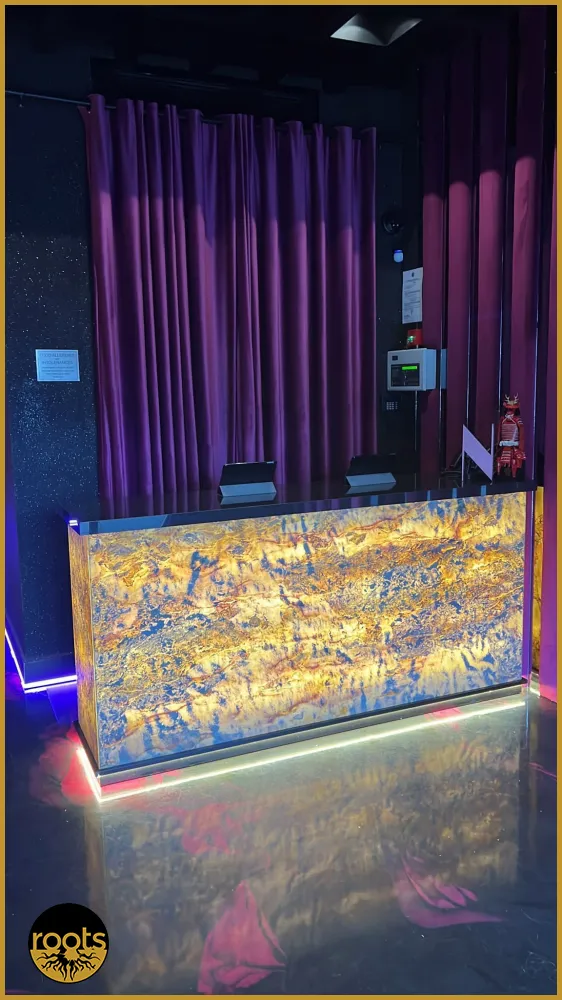
INTERIOR ARCHITECTURE RESTAURANT DESIGNS - RESTAURANT INTERIOR DESIGNS: Where Experience Meets Functionality
The success of a restaurant depends not only on the quality of the dishes served, but also on how the customer feels in that space. Restaurant interior designs go beyond an aesthetic concern; they are a strategic process that reflects the brand's identity, maximizes operational efficiency and focuses on guest comfort. A well-structured interior architecture is one of the most powerful tools for a business to increase customer loyalty.
The Importance of Restaurant Interior Architecture for the Business
Interior architectural design creates the soul of a space. A first-time customer's perception of the venue is shaped within seconds. At this point, a professional design handles every detail as a whole, from lighting to acoustics, from seating arrangement to kitchen-service flow. A good design does not only look "beautiful"; it also optimizes the staff's movement area, increasing service speed and reduces operating costs in the long term.
Which Needs Does It Address?
A professional restaurant design aims to meet the following fundamental needs:
- Concept Integrity: It ensures harmony between the culinary culture presented and the visual language of the space.
- Customer Flow and Circulation: It keeps customers' access from the entrance to the table, from the table to the cashier or the restroom free of complexity.
- Ergonomics and Comfort: Every element, from chair height to table width, is ensured to be suitable for human anatomy and the purpose of use.
- Acoustic Arrangement: Technical solutions are produced to prevent background music, kitchen noise and human voices from blending into each other and causing discomfort.
Material Selection and Durability Comparison
The materials selected in restaurant designs both determine the style of the space and directly affect the maintenance costs of the business. The following table compares the characteristics of some frequently preferred material types:
| Material Type | Durability | Area of Use | Cost Axis |
|---|---|---|---|
| Natural Wood | Medium (Requires Maintenance) | Interior / Furniture | High |
| Industrial Metal | Very High | Interior and Exterior | Medium |
| Marble / Natural Stone | High (Stain Sensitivity) | Countertop / Floor | Very High |
| Ceramic / Porcelain | High | Floor / Wet Areas | Economical - Medium |
| Microcement | High | Floor / Wall Cladding | Medium |
Critical Points to Consider During the Design Process
Paying attention to the following points before purchasing or starting to project a restaurant design is critical for the return on investment:
- Lighting Strategy: It is the most important element that determines the ambiance of the space. The balance between benefiting from daylight and "mood lighting" for the evening hours must be well established.
- Operational Functionality: The distance between the kitchen and the service area must be structured so that staff can provide the fastest service with the least effort.
- Ventilation and Air Conditioning: It is a fundamental requirement that kitchen odors do not leak into the customer area and that the ideal room temperature is maintained in every season.
- Brand Identity: The design must serve not only trends, but also the brand's target audience and story.
Why Should Professional Interior Architecture Support Be Obtained?
Although many business owners think they can design a space using only decorative objects, technical interior architecture is much more than that. Professional design encompasses many technical details, from the layout of electrical installations to compliance with fire regulations. The difference of professional design compared to its alternatives is that it minimizes space loss and combines quality material selections that will extend the life of the business with engineering discipline.
Frequently Asked Questions
1. How long does the restaurant design process take?
Depending on the size of the project and the level of detail, the design phase usually takes between 2 and 6 weeks. The implementation process may vary depending on the procurement time of the selected materials.
2. What design approach should be followed for small spaces?
In small areas, "minimalist" approaches and multifunctional furniture should be preferred. Mirrors, light color palettes and vertical storage solutions make the space look more spacious than it is.
3. What determines interior architecture design costs?
Costs are shaped by the square meterage of the project, the preferred material quality, the structural changes to be made (demolition, installation renewal, etc.) and labor details.
4. Does lighting choice affect customer behavior?
Yes, research shows that warm and low-intensity lighting makes customers stay longer and feel more comfortable, while bright lights accelerate circulation (like fast-food models).
In conclusion, restaurant interior designs are the showcase of a business. A properly planned space allows you to offer your guests not just a meal, but an experience. Turning to solutions that offer aesthetics and functionality together during the investment phase is the safest path for long-term success.











































































