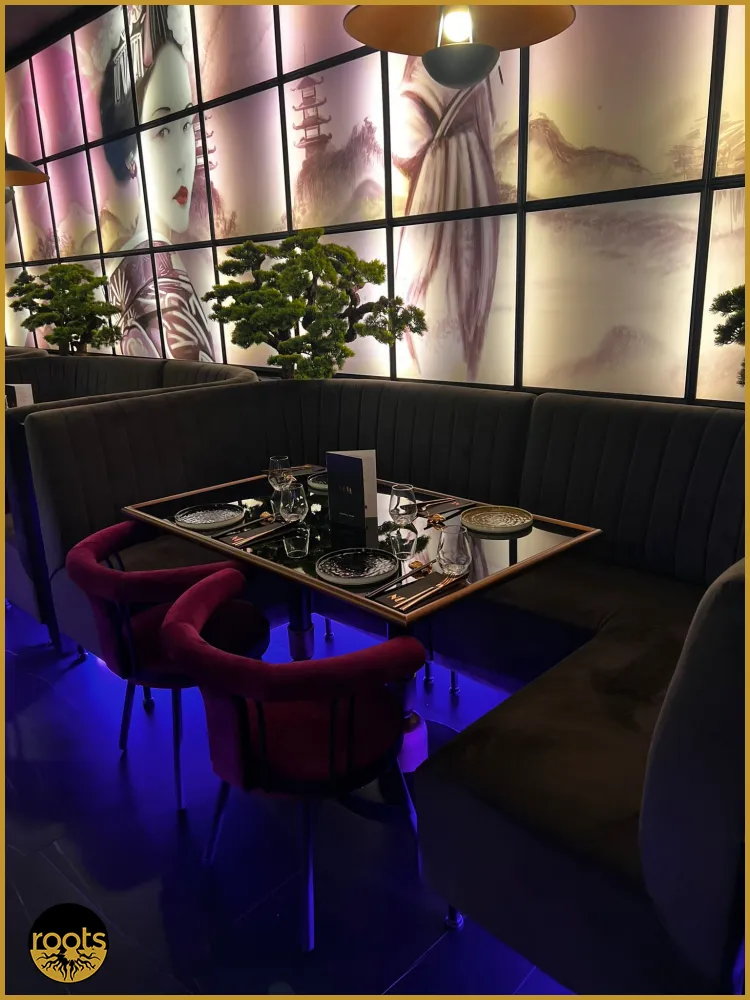
Functionality and Aesthetic Balance in Restaurant Interior Designs
The success of a business is directly related to the atmosphere in which the flavors are consumed as much as the flavors it offers. Interior architecture restaurant designs are not only a visual arrangement but also the art of managing operational efficiency and customer psychology. A correct design ensures that every detail, from the kitchen to the service area, from lighting to acoustic solutions, works in harmony.
A well-structured restaurant interior aims to make the customer feel special from the moment they enter the door. In this process, the concept of the space must match the expectations of the target audience. For example, while comfort and privacy are at the forefront in a "fine-dining" restaurant, circulation speed and energy efficiency are of critical importance in a "fast-casual" venue.
Who Is Professional Design Suitable For?
Professional interior solutions are necessary not only for businesses that will newly open but also for all business owners who want to modernize their existing structure and increase their brand value:
- Entrepreneurs who want to create a new brand identity.
- Businesses experiencing operational disruptions in their existing space (slow service, kitchen bottleneck, etc.).
- Those who want to increase customer loyalty and create shareable "iconic" areas on social media.
- Those who aim to use the venue capacity with maximum efficiency without compromising comfort.
Key Elements to Consider in the Decision Process
Before allocating a budget for restaurant interior designs, the following criteria that will directly affect the return on investment (ROI) should be taken into consideration:
- Circulation Planning: Staff reaching the table from the kitchen via the shortest and most unobstructed route determines the speed and quality of service.
- Lighting Strategy: Automated systems that show the colors of the food correctly, do not strain the eyes and can adapt to different times of the day should be preferred.
- Acoustic Comfort: An environment where customers can hear each other comfortably but are isolated from background kitchen noise increases the length of stay in the venue.
- Material Durability: Since commercial areas are subject to intensive use, the selected materials must be resistant to wear and easy to clean.
| Material Type | Durability | Area of Use | Cost Axis |
|---|---|---|---|
| Natural Wood / Solid | Medium (Requires Maintenance) | Table Tops, Wall Panels | High |
| Industrial Metal / Steel | Very High | Kitchen, Open Shelf Systems | Medium - High |
| Ceramic and Porcelain | High (Scratch-Resistant) | Floors and Wet Areas | Medium |
| Composite / Acrylic | High (Hygienic) | Bar Counters, Service Areas | High |
What Is Its Difference from Alternative Design Approaches?
The biggest difference between a standard decoration work and a professional interior architectural design is the "living space" setup. Buying furniture alone is decoration; however, calculating the capacity of kitchen ventilation, designing ramps suitable for disabled access and choosing materials compliant with fire regulations is an architectural discipline. Professional designs protect the business from technical failures and legal sanctions in the long term.
Frequently Asked Questions
1. How long does the design process take?
Depending on the size of the project and the complexity of the concept, the design process generally varies between 4 and 8 weeks. The implementation phase, on the other hand, varies according to the procurement time of the selected materials.
2. What strategy should be followed for small spaces?
In restaurants with small square footage, mirrors, light color palettes and multi-functional furniture should be used. Effective use of vertical areas for storage ensures that the floor area remains spacious.
3. How does the choice of lighting affect cost?
Although LED and smart lighting systems may seem more costly initially, in the long term they reduce operating costs thanks to energy savings of up to 70% and full control over the atmosphere.
4. Can I include my existing furniture in the new design?
Yes, with a sustainable design approach, the upholstery or surfaces of your existing furniture can be renewed and integrated into the new concept. This also provides an advantage in terms of cost management.
Final Checklist Before Purchase
- Is the concept you have chosen compatible with the income level and habits of your target audience?
- Do the materials to be used have fire resistance certificates?
- Was the kitchen layout planned in accordance with food safety and hygiene standards?
- Does the design provide flexibility for possible future growth or menu changes?
- Was the necessary technical infrastructure for lighting and ventilation systems included in the project?
In conclusion, the interior of a restaurant is a physical expression of the service offered. A well-planned space design creates an unforgettable experience for customers while also opening the door to sustainable profitability for operators. Projects that combine aesthetics with technical requirements at the decision-making stage always yield more successful results.











































































