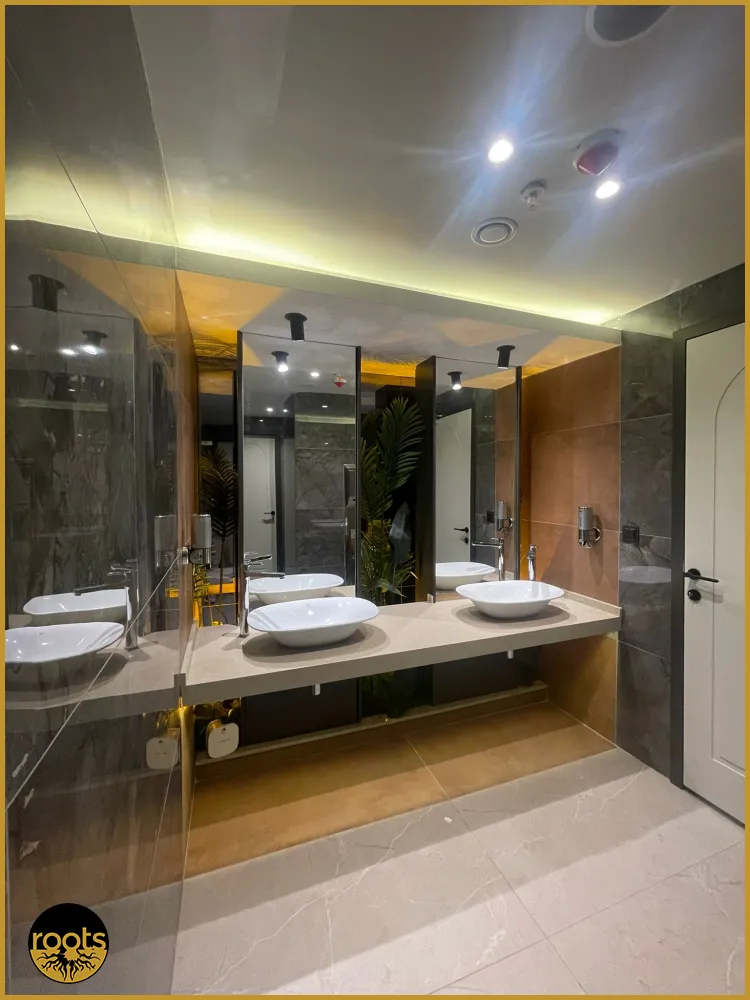
What Are Interior Architecture Restaurant Designs?
Interior architecture restaurant designs are the process of planning and implementing the physical environment of a dining venue in an aesthetic, functional and user-oriented way. While this process determines the overall atmosphere of the venue, it covers many details from seating arrangement to lighting, from color choices to material use, which directly affect the guest experience. A good restaurant interior architecture should both reflect the brand's identity and ensure operational efficiency.
What Is Restaurant Interior Design For?
Effective restaurant interior design provides versatile benefits:
- Improves Customer Experience: A comfortable, inviting and pleasant atmosphere encourages customers to stay longer, spend more and give positive feedback.
- Strengthens Brand Identity: Design visually communicates the restaurant's concept, story and values. This increases brand awareness and loyalty.
- Provides Operational Efficiency: Elements such as kitchen layout, flow of service areas and customer circulation allow staff to work more efficiently.
- Provides Maximum Space Utilization: Smart evaluation of every square meter helps create more seating capacity or a more spacious area.
- Offers Competitive Advantage: Original and attractive designs far from the ordinary set you apart from competitors and make you the first choice of potential customers.
Who Are Interior Architecture Restaurant Designs Suitable For?
These services and products are ideal for the following individuals and institutions:
- Entrepreneurs Opening a New Restaurant: Those in the process of creating a venue from scratch and who know the importance of first impressions.
- Those Who Want to Renovate Their Existing Restaurant: Operators who want to modernize the atmosphere of their venue, increase customer satisfaction or update their concept.
- Those Who Want to Strengthen Brand Identity: Restaurant owners who want to better reflect the uniqueness and values of their brands through design.
- Those Who Want to Solve Spatial Problems: Businesses with operational or aesthetic problems such as narrow spaces, insufficient lighting or poor flow.
- Concept Restaurant Owners: Those who have a specific theme or style and want to reflect this theme in every detail of the venue.
Which Needs Does It Meet?
Interior architecture restaurant designs meet various needs of your business and your customers:
- Aesthetic Needs: The need to create a visual identity that is pleasing to the eye, attractive and suitable for the concept of the venue.
- Functional Needs: Optimization of all sections such as kitchen, service, seating areas and restrooms in terms of ease of use and efficiency.
- User Experience Needs: Creating an environment that makes guests feel comfortable, at ease and special.
- Space Management Needs: Organizing staff flow, managing customer density and ensuring overall operational fluidity.
- Marketing and Communication Needs: Attracting potential customers by communicating the restaurant's story and the value it offers through design.
In Which Situations Should It Be Preferred?
Restaurant interior architecture design should especially be preferred in the following situations:
- Opening a New Restaurant: It is a critical stage where the concept is determined, brand identity is created and the right atmosphere must be established at the first step.
- When the Existing Venue Becomes Outdated or Loses Its Currency: In cases where the design is physically worn, out of fashion or no longer appeals to the target audience.
- Concept Change: When switching to a different type of cuisine, the venue must be redesigned to support the new concept.
- Areas with Intense Competition: In situations where an original and impressive design is needed to stand out from competitors and attract attention.
- Increase in Customer Complaints: Times when customer feedback regarding the atmosphere, comfort or operation of the venue is negative.
In Which Aspects Does It Differ from Its Alternatives?
Beyond superficial decoration or standard furniture choices you might make on your own, professional restaurant interior architecture designs stand out in the following aspects:
- Comprehensiveness and Integration: It addresses not only aesthetics but all elements such as lighting, acoustics, ventilation, material selection and operational flow as a whole.
- Expertise and Experience: Interior architects possess the knowledge, material expertise and visualization skills to bring out the potential of the space in the best possible way.
- Customer Focus: The user experience is maximized by taking into account the expectations, habits and demographic characteristics of the target audience.
- Cost Effectiveness: In the long term, it provides cost savings through correct material selection, durability and operational efficiency. It prevents erroneous decisions.
- Originality and Branding: It creates non-repeatable and unforgettable designs that reflect the identity and story of the space.
Material Selection and Properties
In restaurant designs, material selection determines both the aesthetic appearance and practical needs such as durability and hygiene. Here are some commonly used material types and their properties:
| Material Type | Durability | Indoor Use | Outdoor Use | Cost |
|---|---|---|---|---|
| Natural Stone (Marble, Granite, etc.) | Very High | High (Floor, countertop, wall) | High (With suitable treatment) | High |
| Wood (Solid, Veneer) | Medium - High (Requires protection) | High (Floor, wall, furniture) | Low (May be specially treated) | Medium - High |
| Concrete and Microcements | Very High | High (Floor, wall, ceiling) | High (With suitable treatment) | Medium |
| Metal (Stainless Steel, Iron) | Very High | High (Furniture, lighting, decoration) | Medium - High (Protected against corrosion) | Medium - High |
| Ceramic and Porcelain | High | Very High (Floor, wall, countertop) | High | Medium |
| Laminate and Vinyl | Medium - High | High (Floor, wall) | Low | Low - Medium |
| Glass | Medium (Fragility exists) | High (Partition, decoration, furniture) | Low (Except special types) | Medium |
Points to Consider Before Purchasing
Paying attention to the following points before purchasing a restaurant interior architecture design service or product will help you make the right decisions:
- Your Venue's Concept and Target Audience: Make sure the design is compatible with the type of cuisine offered and the customer profile you want to reach.
- Determining a Budget: Set a clear budget in advance and seek the best solutions within that budget.
- Designer or Company Experience: Review previous restaurant projects, check their references and question the company's experience in the sector.
- Communication and Understanding: It is important how well the design team understands your vision and how open they are to your requests. Clear communication is the key to a successful project.
- Functionality and Ergonomics: Request focus not only on aesthetics but also on the ease of use of the venue and the comfort of employees and customers.
- Material Quality and Durability: Make sure materials suitable for intensive use, easy to clean and long-lasting are preferred.
- Lighting Plan: Check whether lighting solutions that directly affect the atmosphere of the venue are planned in detail.
- Acoustic Arrangements: Ask whether acoustic solutions have been considered to keep noise levels under control and provide a comfortable environment.











































































