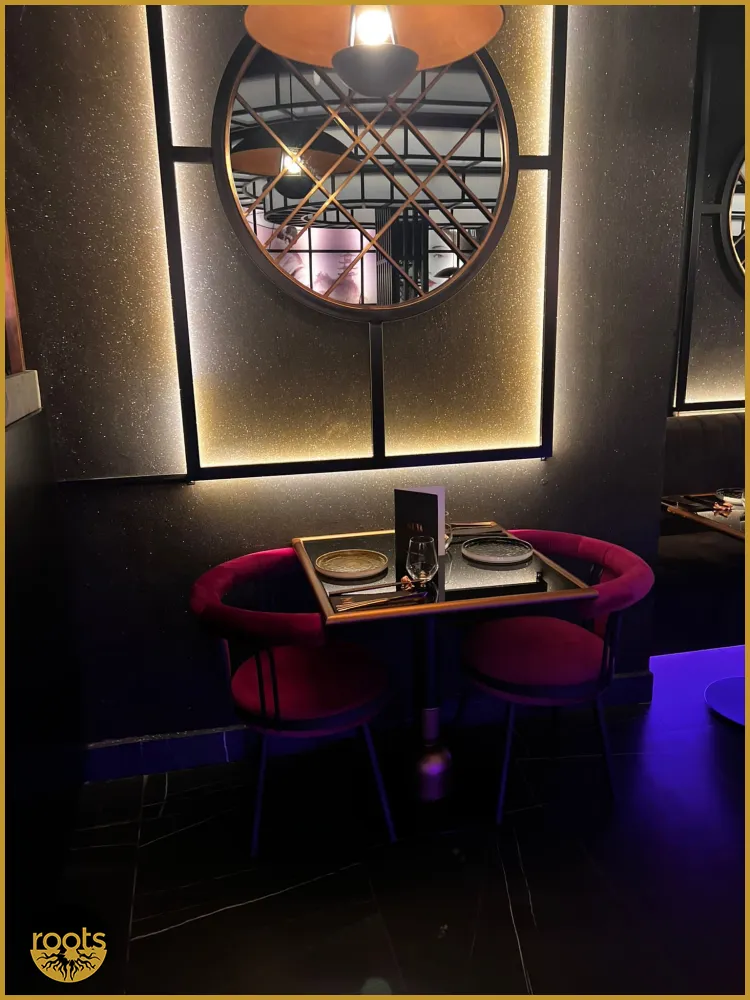
Restaurant Interior Architecture Designs: Where Experience and Aesthetics Meet
The success of a restaurant is directly related not only to the flavors it offers but also to the experience it provides to its guests. One of the most important elements of this experience is undoubtedly the restaurant's interior design. An impressive restaurant interior architecture creates an atmosphere that embraces your customers from the very first moment, relaxes them and enables them to connect with the space. In this comprehensive guide, you will find the finer points of restaurant interior designs, the advantages they offer and all the details that will guide you in your decision-making process.
What Is Restaurant Interior Design and What Does It Do?
Restaurant interior design is the process of planning and implementing all visual and functional elements of a dining venue, such as its walls, floor, ceiling, furniture, lighting, color palette and decorative elements. This process not only achieves an aesthetic appearance but also:
- Improves the customer experience and increases the return rate.
- Strengthens brand identity and concept.
- Optimizes the functionality of the space (service flow, seating arrangement, kitchen access, etc.).
- Increases employee efficiency.
- Ensures the space is memorable.
- Positively affects sales indirectly.
Who Is It Suitable For?
Restaurant interior architecture designs are suitable for all kinds of dining establishments that are about to open or that want to renovate their existing space:
- Entrepreneurs Opening a New Restaurant or Cafe: Those who want to create a space that accurately reflects their brand identity, appeals to their target audience and provides a competitive advantage.
- Operators Who Want to Renovate Their Existing Space: Those who want to update their outdated decoration, gain a more modern look, increase customer satisfaction or adopt a new concept.
- Businesses with Different Concepts: Those who want to reflect any kind of special concept in their venue, such as fine dining, bistro, fast food, themed restaurants and vegan cafes.
- Those Who Want to Optimize Space Usage: Those who want to make narrow or inefficient areas more usable, increase seating capacity or organize customer flow.
What Needs Does It Meet?
An effective restaurant interior design meets many fundamental needs of your business:
- Customer Satisfaction: It ensures that customers have a pleasant time by offering a comfortable, inviting and aesthetically pleasing environment.
- Brand Awareness and Loyalty: The unique design of the space encourages your brand to be remembered and customers to return.
- Operational Efficiency: A cleverly planned layout facilitates the movement of service staff and optimizes the flow between the kitchen and service areas.
- Spatial Optimization: By making the best use of the available space, seating capacity can be increased and suitable areas can be created for different customer groups (for example, group dining, special corners for couples).
- Creating Atmosphere: It creates the targeted mood and ambiance with lighting, colors, music and decorative objects.
In Which Situations Should It Be Preferred?
A restaurant interior architecture project should definitely be considered in the following situations:
- When Establishing a New Business: It is of critical importance for the first impression of the space and for establishing the brand identity.
- When Making a Concept Change: When moving toward a different type of cuisine or target audience, the physical structure and appearance of the space must adapt.
- In Highly Competitive Areas: A unique design is essential to stand out from other businesses in the sector.
- When the Existing Space Is Worn Out or Outdated: Spaces that have lost their currency aesthetically and functionally need to be renovated.
- When Customer Complaints Increase or Occupancy Rates Are Low: In situations where the atmosphere or functionality of the space negatively affects the customer experience.
Types of Materials Used in Restaurant Design and Their Comparison
The materials used in restaurant interiors directly affect both the aesthetic appearance and the durability and cost of the space. The following table compares some commonly used types of materials:
| Material Type | Durability | Indoor Use | Cost (Average) | Features |
|---|---|---|---|---|
| Natural Wood | Medium - High (depending on processing) | High (tables, chairs, flooring, wall cladding) | Medium - High | Creates a warm and inviting atmosphere, offers a natural look. May require regular maintenance. |
| Marble/Granite | High | Medium (countertops, flooring, decorative elements) | High | Offers a luxurious and prestigious look. Easier to maintain but costly. |
| Metal (Stainless Steel, Iron, etc.) | Very High | High (furniture frames, lighting, decoration) | Medium - High | Frequently used in modern, industrial or minimalist designs. Durable and long-lasting. |
| Concrete (Decorative) | High | High (flooring, walls, ceiling) | Low - Medium | Popular in industrial and modern designs. Aesthetic and durable. Quality of workmanship is important. |
| Ceramic/Porcelain Tile | High | High (flooring, walls) | Low - Medium | Offers a wide range of patterns and colors. Easy to clean, hygienic. |
| Fabrics (Upholstery) | Medium (depending on use) | High (chair, sofa upholstery) | Low - High | Provides comfort and aesthetics. Stain-resistant and easy-to-clean fabrics should be preferred. |
| Glass | Medium (fragility) | High (lighting, partition panels, table tops) | Low - Medium | Adds spaciousness and modernity to the space. Available in various textures and colors. |
How Does It Differ from Alternatives?
Unlike other restaurant design services on the market or simple arrangements you might make yourself, professional interior architecture services offer the following:
- Comprehensive Planning: Considers not only visual aesthetics but also the functionality of the space, customer flow, staff efficiency and current legal regulations.
- Conceptual Integrity: Strengthens brand identity by creating a design language consistent with the concept of the space.
- Technical Knowledge and Experience: Offers expertise in technical matters such as lighting planning, acoustic arrangements and material selection.
- Cost Management: Produces cost-effective solutions suitable for your budget in the long term.
- Time Saving: Manages the design process professionally, leaving your time to you.
What Should Be Considered Before Purchasing?
Before deciding to purchase a restaurant interior architecture service, it is important to pay attention to the following points:
- Portfolio and References: Examine the designer's or company's previous restaurant projects. Have they done work compatible with your style?
- Communication and Understanding: How good is your communication with the designer? How well do they understand you and your vision?
- Budget Determination: Determine a clear budget for design and implementation and work with a company that will adhere to this budget.
- Contract Details: Make a contract in which all details such as the scope of the work to be done, delivery dates and payment plan are written.
- Concept Definition: Clearly define your own restaurant's concept, target audience and expectations.
- Material Selection and Quality: Get information about the durability, maintenance and cost of the materials to be used.
- Legal Permits and Regulations: Make sure that the design will comply with the relevant zoning, health and safety regulations.











































































