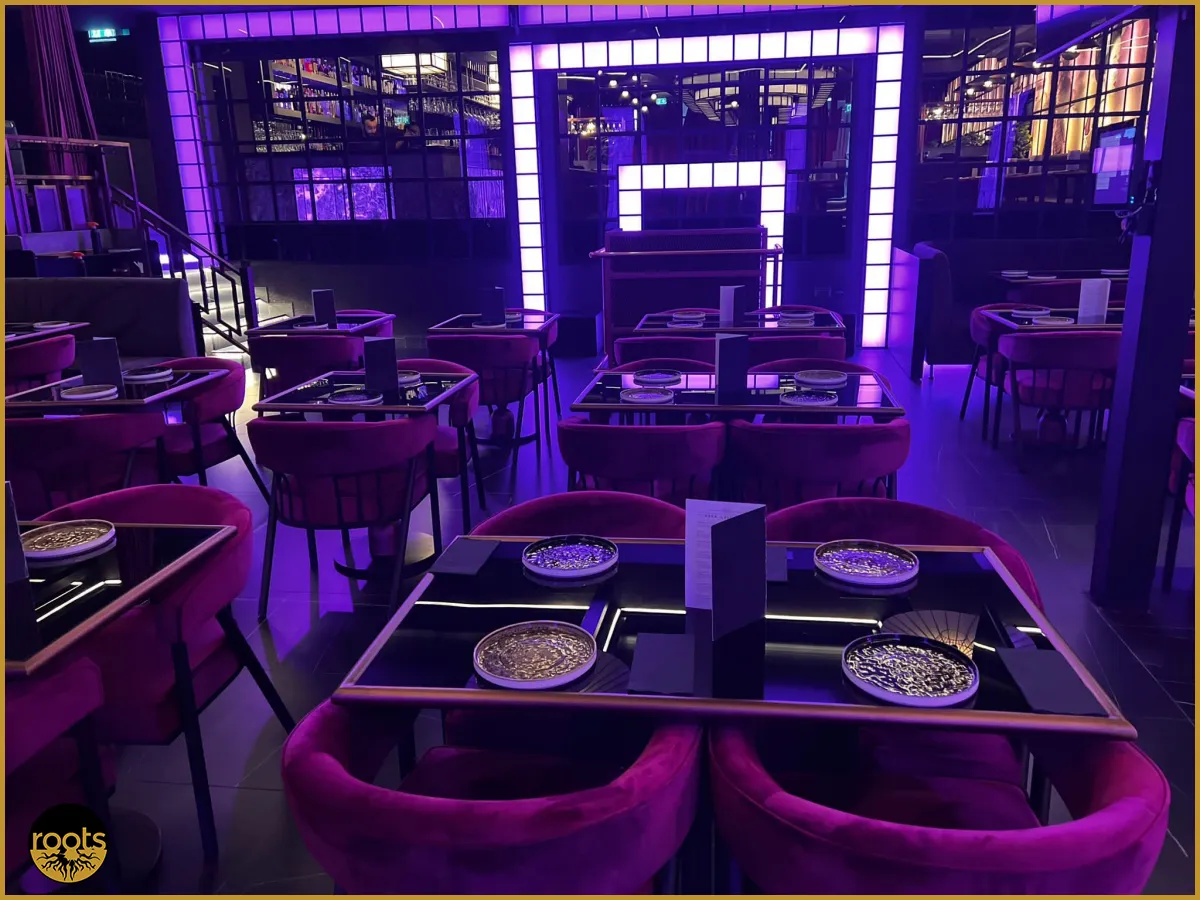
Interior Architecture and Interior Designs That Reflect the Spirit of Your Restaurant
The atmosphere of the space plays a role as critical as the experience you offer your guests in the success of your restaurant. The interior architecture of a restaurant is not merely an aesthetic concern; it is also a strategic element that reflects your brand identity, increases customer satisfaction and supports operational efficiency. Professional restaurant interior architecture designs and restaurant interior designs play a key role in achieving these goals.
In this comprehensive guide, you will find answers to all the questions you may encounter when choosing the right interior design for your restaurant, and you will reach information that will make your decision-making process easier. We cover all the details you need to maximize the potential of your space, enchant your guests and stand out in the competition.
What Is Restaurant Interior Design and Why Is It Important?
Restaurant interior design is the process of planning and implementing the aesthetic, functional and sensory elements of a restaurant's physical space. This covers a wide range from seating arrangement to lighting, from color choices to material use, from decoration to flow layout. A successful interior design:
- Strengthens Brand Identity: It enables you to connect with your target audience by creating an atmosphere suited to your restaurant's concept.
- Improves Customer Experience: It increases your guests' satisfaction by offering a comfortable, inviting and memorable environment.
- Supports Operational Efficiency: It provides a layout where staff can move comfortably, service flow is uninterrupted and the kitchen and service areas work in harmony.
- Maximizes the Potential of the Space: It optimizes seating capacity and customer circulation by ensuring the space is used in the best way.
- Makes a Difference in Competition: It offers a unique and attractive space that enables you to differentiate from your competitors.
Who Is It Suitable For?
Restaurant interior architecture and interior designs are ideal for businesses in the following situations:
- Restaurants to Be Newly Opened: Those who want to create a strong brand identity and a functional space from the start.
- Those Who Want to Renovate Their Existing Restaurants: Those who want to keep up with current trends, expand their customer base or modernize the worn parts of the space.
- Those Making a Concept Change: Those who want to transition to a different type of cuisine or service approach and make the atmosphere of the space suitable for it.
- Those Who Want to Increase Customer Traffic: Those who want to attract more guests by creating a more attractive and comfortable space.
- Those Who Want to Solve Operational Problems: Those who want to resolve existing issues such as narrow spaces, poor flow layout or insufficient lighting.
Which Needs Does It Meet?
Professional restaurant interior designs meet various needs:
- Aesthetic Needs: Creating an atmosphere that is in harmony with the brand identity, visually attractive and appeals to the target audience.
- Functional Needs: Effective flow and ease of use between the kitchen, service, seating areas and restrooms.
- Comfort Needs: Seating groups where guests can be comfortable, appropriate lighting, acoustic arrangement and temperature control.
- Cost Efficiency: Producing long-lasting, easy-to-maintain and energy-saving solutions with the right material selection.
- Regulatory Compliance: Designs that comply with legal requirements such as fire safety, disabled access and hygiene standards.
In Which Situations Should It Be Preferred?
Working with a professional on your restaurant's interior design is especially important in the following situations:
- When the Space Needs to Be Restructured: When a comprehensive renovation or rearrangement is in question.
- When a Unique Concept Is Wanted to Be Created: When the goal is to offer a memorable and unique experience beyond an ordinary space.
- When Customer Complaints Increase: When negative feedback is received regarding the comfort or layout of the space.
- When It Is Difficult to Reach the Target Audience: When it is thought that the existing space does not meet the expectations of the target audience.
- When Operational Inefficiencies Are Experienced: When there are problems such as prolonged service time or lack of coordination among staff.
In Which Aspects Does It Differ from Alternatives?
Compared to designs made on your own or with a careless approach, professional restaurant interior architecture designs offer the following advantages:
- Expertise and Experience: Designers know current trends in the industry, material knowledge and ergonomics principles.
- Objective Perspective: Apart from the business owner's emotional ties, they offer objective solutions that best reveal the potential of the space.
- Budget Management: They are experienced in keeping the design process within budget and optimizing cost through material choices.
- Time Saving: By accelerating the design and implementation process, they enable the business owner to focus on their main business.
- Risk Reduction: They minimize risks such as structural problems, regulatory non-compliance or wrong material selection.
Comparison of Different Material Types
The choice of materials used in restaurant interiors directly affects the aesthetics, durability and ease of maintenance of the space. Here is a comparison of some commonly used material types:
| Material Type | Durability | Interior Use | Cost (Average) | Features |
|---|---|---|---|---|
| Wood (Solid) | High (with proper maintenance) | Very High | Medium - High | Warm, natural appearance. Various processing options. May be sensitive to scratches. |
| Laminate / Parquet | Medium - High | High | Low - Medium | Wide range of colors and patterns. Easy to install. Models resistant to wear are available. |
| Natural Stone (Marble, Granite) | Very High | High (especially floors and countertops) | High | Luxurious, prestigious appearance. High durability. Porous structure should be taken into consideration. |
| Ceramic / Porcelain Tile | High | Very High | Low - Medium | Easy to clean, water-resistant. Wide range of patterns and sizes. Models with non-slip surfaces should be preferred. |
| Concrete (Decorative) | High | High | Medium | Industrial, modern appearance. Durable and easy to clean. Surface treatments are important. |
| Metal (Stainless Steel, Iron) | High | High (decorative elements, furniture frames) | Medium - High | Can add an industrial, modern or rustic feel. May require maintenance (risk of rust). |
| Fabric / Leather (Upholstery) | Medium - High (depending on quality) | Very High | Medium - High | Provides comfort and aesthetics. Stain-resistant, easy-to-clean fabrics should be preferred. |
Things to Consider Before Purchasing
Important points to consider before receiving interior architecture and interior design services for your restaurant or before the design process begins are as follows:
- Determine Your Budget: Create a detailed budget including design, materials, implementation and possible additional expenses.
- Clarify Your Concept: Determine your target audience, the cuisine you will offer and the overall atmosphere you want to create.
- Evaluate the Condition of the Space: Analyze the advantages, disadvantages and areas requiring renovation of the existing structure.
- Research References: Examine the designer's previous work and look at their projects in similar concepts.
- Communication and Terms of Agreement: Establish clear communication with the designer and clarify working principles, delivery dates and payment terms.
- Legal Permits and Standards: Obtain information about licensing and structural permits appropriate for the intended use of the space.
- Lighting and Acoustic Planning: Do not forget the importance of correct lighting and sound arrangement in terms of both aesthetics and functionality.
Frequently Asked Questions
Conclusion: Unlock the Potential of Your Space
The interior architecture and interior design of your restaurant is not just a visual arrangement; it forms the foundation of the experience you offer your guests. Designs brought to life with a professional approach make your space stand out, increase customer loyalty and become an important step on the path to operational success. With the right design decisions, you can ensure that your restaurant is not only a place that offers delicious food, but also a destination where unforgettable memories are made.











































































