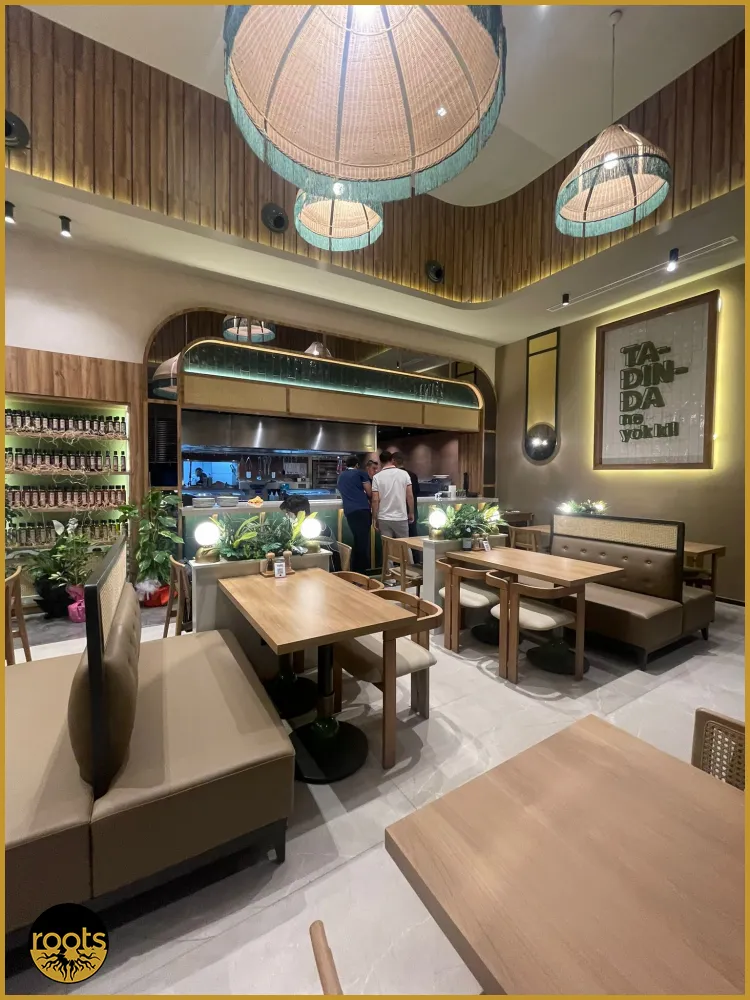
Restaurant Interior Designs: Add Value to Your Space
In the success of a restaurant, not only the flavors it offers but also its atmosphere and the experience it provides play a major role. Restaurant interior architecture is one of the most important elements of this experience. Impressing your customers from the very first moment they step inside, making them comfortable and ensuring they come back is possible with a successful restaurant interior design. In this comprehensive guide, we will cover all the details that will help you find the most suitable interior solutions for your restaurant.
What Is Restaurant Interior Design and What Does It Do?
Restaurant interior design is the process of arranging the physical space of a restaurant in a functional, aesthetic and user-friendly way. This is not limited to furniture selection and decoration alone; it also holistically addresses the flow of the space, lighting, acoustic arrangement, seating layout and even the customer experience.
An effective restaurant interior architecture provides the following:
- Strengthens the First Impression: The first moment customers step into the space ensures they have a positive experience.
- Increases Customer Comfort: Comfortable seating areas, appropriate lighting and a spacious atmosphere encourage customers to stay longer.
- Increases Operational Efficiency: A layout is created where staff can move comfortably and the service flow is uninterrupted.
- Reflects Brand Identity: The design visually communicates the restaurant's concept, style and values.
- Increases Customer Loyalty: A memorable experience ensures that customers return and recommend it.
Who Is It Suitable For? Which Needs Does It Meet?
Restaurant interior design applies to all types of restaurant businesses. Whether you are opening a new venue or want to renovate your existing one, a professional design process will provide you with significant benefits.
- Restaurants to Be Newly Opened: It lays a foundation that best suits your concept, meets customer expectations and creates your brand's first impression.
- Existing Restaurants: It is ideal for businesses that need renovation, want to increase customer satisfaction or want to stand out in competition.
- Restaurants with Different Concepts: Every concept such as fine-dining, bistro, cafe, fast-food, steakhouse, fish restaurant and regional cuisines should have its own unique design.
It meets the fundamental needs:
- Aesthetic Concerns: Creating a visually pleasing, attractive and memorable atmosphere.
- Functionality: Creating an efficient space layout suitable for the purpose of use of the venue.
- Customer Experience: Ensuring that guests leave comfortable, pleased and satisfied.
- Brand Communication: Reflecting the restaurant's identity and values onto the space.
- Operational Processes: Creating a layout that facilitates the work of staff and increases service speed.
In Which Situations Should It Be Preferred?
You should definitely consider restaurant interior design in the following situations:
- Your Existing Space Looking Outdated: A space that becomes outdated or worn over time can negatively affect customers.
- Low Customer Satisfaction: If your customers' feedback regarding their comfort or experience is negative.
- Concern About Falling Behind in Competition: If your competitors have more attractive and modern spaces.
- Developing a New Concept: If you plan to change the concept of your venue, the design should be suitable for it.
- Capacity Issues: The current seating layout being insufficient or inefficient.
- Operational Disruptions: Staff having difficulty moving around or problems experienced in service processes.
In Which Aspects Does It Differ from Alternatives?
Restaurant interior design means more than simple decoration or renovation. A professional interior architecture approach makes a difference in the following aspects:
- Holistic Approach: It focuses not only on aesthetics but also on functionality, customer experience and brand identity.
- Expertise: It requires in-depth knowledge and experience in subjects such as material selection, lighting principles, ergonomics and space flow.
- Customized Solutions: It offers custom solutions according to the unique needs and concept of each restaurant.
- Long-Term Investment: A design done correctly extends the life of the space, can reduce operating costs and increases profitability in the long term.
- Technical Details: It combines technical details such as electrical installation, ventilation and sound insulation with aesthetics and functionality.
Types of Materials Used in the Design Process
The materials used in restaurant interior designs are of great importance in terms of both aesthetic appearance and durability and cost. Here are some frequently preferred types of materials and their comparisons:
| Material Type | Durability | Use in Interior Spaces | Use in Exterior Spaces (For Enclosed Areas) | Cost (Average) | Features |
|---|---|---|---|---|---|
| Wood | High (With varnish and maintenance) | General (Floor, wall cladding, furniture, ceiling) | Limited (Specially treated and protected ones) | Medium - High | Natural, warm, aesthetic, sound-absorbing. Available in different tones and textures. |
| Natural Stone (Marble, Granite, Travertine) | Very High | Floor, wall cladding, countertops, decorative elements | Suitable | High | Luxurious, durable, natural patterned, stain-resistant (some types). Heavy and difficult to process. |
| Ceramic and Porcelain | Very High | Floor, wall cladding, countertops | Suitable (Frost-resistant ones) | Low - Medium | Wide range of patterns, colors and textures, easy to clean, resistant to water and scratching. |
| Concrete (Decorative Concrete, Microcement) | High | Floor, wall cladding, countertops, furniture | Suitable | Medium | Modern, industrial, durable, flexible design possibilities. Surface treatment is important. |
| Metal (Stainless Steel, Iron, Brass) | Very High | Furniture frames, lighting elements, decorative details, bar countertops | Suitable (Stainless steel) | Medium - High | Durable, modern, industrial, stylish. Care should be taken against rust and scratching. |
| Glass (Tempered, Laminated) | Medium - High (Depending on quality) | Tabletops, partitions, doors, mirrors, lighting elements | Suitable | Medium - High | Makes the space look bright and spacious, transparent or colored options. Risk of breakage (varies by quality). |
| Textile (Fabrics, Leather) | Medium | Seating groups, curtains, decorative wall panels | Not Suitable | Medium - High | Comfortable, variety of colors and patterns. May be prone to staining and wear. |
What Should Be Considered Before Purchasing?
Before starting a restaurant interior design project or agreeing with a design firm, paying attention to the following points is critical for the success of the project:
- Determining the Budget: Clearly determine the total budget you have allocated for the project and make sure to stick to this budget. Include all items such as design, implementation, furniture and lighting in the budget.
- Clarity of the Concept: Clearly define the main concept of your restaurant, its target audience and the message it wants to convey. This ensures that the design progresses in the right direction.
- Space Analysis: Obtain detailed information about the dimensions, structure, advantages and disadvantages of the existing space.
- Reference Check: Examine the previous projects of the design firm you are considering working with. Do they produce work in the style you like? What are the customer reviews?
- Proposal and Contract: Make sure that the proposals you receive are detailed. Matters such as the scope of service, delivery times and payment plan must be clearly stated in the contract.
- Communication and Trust: The communication you establish with the design team is very important. Choose a team with whom you feel comfortable, whom you think understands you and who inspires trust.
- Legal Permits: Find out whether the renovations to be carried out require permits from the municipality or relevant institutions and follow this process.
Frequently Asked Questions
A successful restaurant interior design not only creates a space that looks beautiful, but is also a strategic investment that increases the profitability of your business and raises your brand value. You may consider getting professional support to maximize the potential of your space.











































































