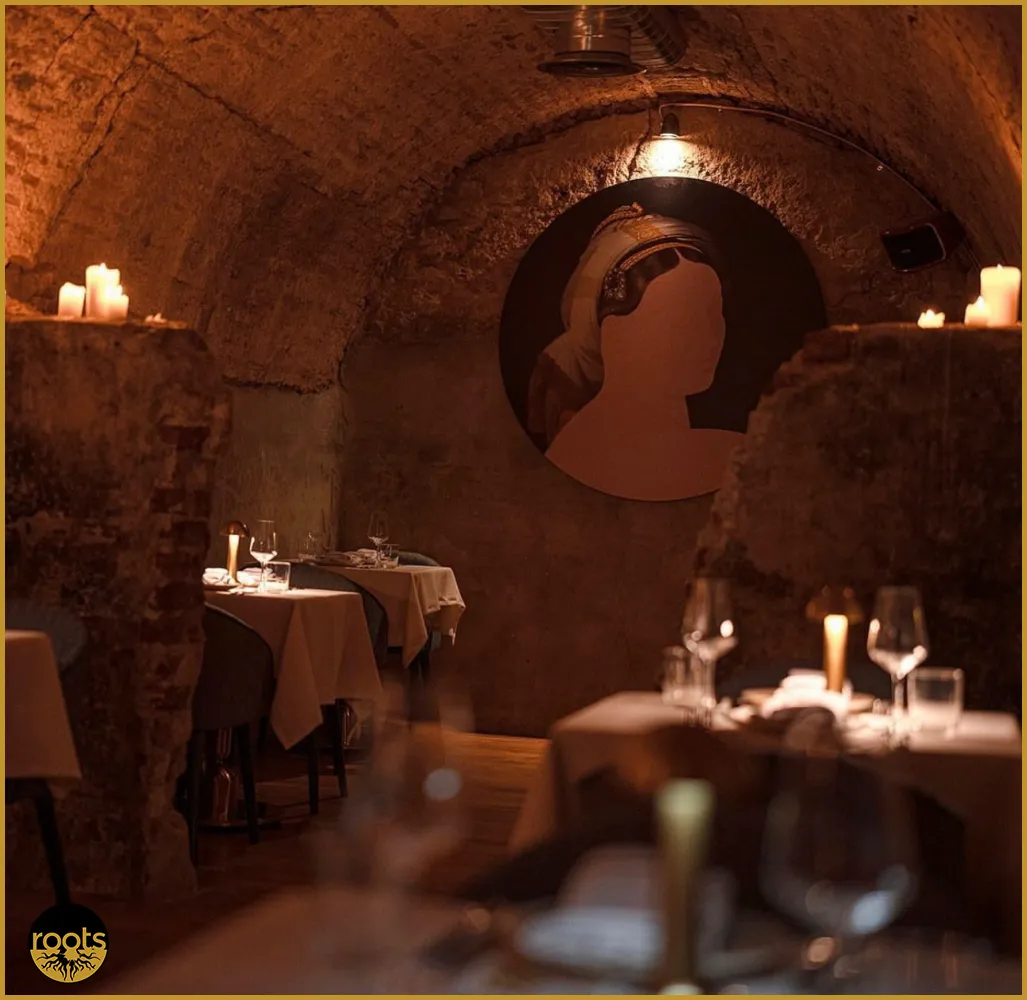
Restaurant Interior Architecture Designs: Reflect the Soul of Your Space
The success of a restaurant is directly related not only to the flavors it offers but also to the atmosphere it provides. Customers experience the space as part of their dining experience. At this point, restaurant interior architecture designs come into play. A professional interior architecture design strengthens the identity of your space, enhances customer comfort and contributes to operational efficiency. In this comprehensive guide, we will examine in detail the intricacies and benefits of restaurant interior designs and what you need to pay attention to.
What Is Restaurant Interior Architecture Design and What Does It Do?
Restaurant interior architecture design is the process of planning, arranging and decorating a dining venue in terms of both aesthetics and functionality. This process is not limited to choosing wall colors or placing furniture; it also covers the flow of the space, lighting, sound insulation, seating arrangement, efficiency of kitchen and service areas, design of restrooms and the overall atmosphere.
A professional restaurant interior architecture provides the following:
- A Unique Identity and Brand Awareness: It creates an unforgettable atmosphere suited to the concept of your space.
- Increased Customer Satisfaction: A comfortable, inviting and aesthetically pleasing environment enriches the customer experience.
- Operational Efficiency: It offers arrangements where staff can move comfortably, service flow runs smoothly and kitchen and service areas are optimized.
- Spatial Optimization: It uses the existing space in the most efficient way to create greater customer capacity or a more spacious environment.
- Sensory Experience: In addition to visual elements, it offers a holistic experience by taking into account sensory elements such as lighting, music, sound insulation and scent.
- Suitability for the Target Audience: It attracts the right target audience with designs that appeal to a specific concept or customer profile.
Who Is It Suitable For?
Restaurant interior architecture designs are suitable for dining establishments of every scale and every type. The main groups that can benefit from these services are as follows:
- Restaurants to Be Newly Opened: Those who want to create a space from scratch suited to the identity and goals of the brand.
- Those Who Want to Renovate Their Existing Restaurant: Those who want to modernize outdated decoration, change the concept or improve the customer experience.
- Chain Restaurants: Those who want to create a consistent brand identity and aesthetics across all branches.
- Cafes, Bistros, Lounges and Bars: Venues where atmosphere and functionality are critical, even if in different concepts.
- Concept Restaurants: Businesses that focus on a specific theme or cuisine and whose space must reflect this theme.
What Needs Does It Meet and When Should It Be Preferred?
Restaurant interior architecture design meets various needs of businesses and is an ideal solution for specific situations:
- Need for Aesthetics and Visual Appeal: If your space needs to be striking at first glance, inviting and aesthetically pleasing.
- Need to Strengthen Brand Identity: If you want to visually reflect the unique concept and values of your restaurant.
- Need to Increase Customer Comfort: If you want to create a comfortable and enjoyable seating area and overall atmosphere that encourages customers to stay longer.
- Need to Improve Operational Flow: If service routes, kitchen layout and customer movement areas need to be optimized so that staff can serve faster and more efficiently.
- Need to Overcome Spatial Constraints: If you want to make a small area look more spacious or make the existing space more functional.
- Need to Provide a Competitive Advantage: If you want to stand out from your competitors and create a strong visual and atmospheric point of attraction for customers to choose you.
Especially before a restaurant opening or in any period when you want to increase the performance of your existing business and raise customer satisfaction, benefiting from this kind of professional support is the right timing.
Materials Used in Restaurant Interior Architecture Design
In restaurant designs, the choice of materials directly affects both the aesthetic appearance and durability. Various materials can be preferred for different spaces and concepts:
| Material Type | Durability | Interior/Exterior Architectural Use | Cost (Overall Assessment) |
|---|---|---|---|
| Natural Wood (Solid, Veneer) | Medium - High (When properly treated) | Predominantly Interior (Some species suitable for exterior) | Medium - High |
| Metal (Stainless Steel, Cast Iron, Aluminum) | Very High | Interior and Exterior | Medium - High |
| Natural Stone (Marble, Granite, Travertine) | High | Interior and Exterior | High |
| Ceramic and Porcelain (Tiles, Floor Tiles) | High | Interior and Exterior (Floor, Wall, Countertop) | Low - Medium |
| Concrete and Raw Concrete Effect Materials | High | Interior and Exterior | Low - Medium |
| Glass (Tempered, Frosted, Colored) | Medium (Tempered glass offers high durability) | Predominantly Interior (Can also be used on exterior facades) | Medium |
| Textile Products (Fabrics, Leathers) | Medium (Varies by use and type) | Predominantly Interior (Furniture upholstery, curtains) | Low - High |
In What Ways Does It Differ from Alternatives?
Unlike random decoration you might do yourself or simply choosing furniture, professional restaurant interior designs offer the following key advantages:
- Holistic Approach: It addresses not only aesthetics but also functionality, customer flow, staff efficiency, lighting, acoustics and brand identity all together.
- Spatial Analysis and Optimization: It makes the best use of the existing space, anticipates potential problems and produces solutions.
- Design Tailored to the Target Audience: The ability to create the atmosphere most suited to your chosen concept and target audience.
- Professional Material and Color Knowledge: It makes material and color selections best suited to the purpose of the space, durability requirements and aesthetic goals.
- Budget Management: It offers the most effective and long-lasting solutions within the specified budget.
- Trends and Innovation: While following current trends in the sector, it ensures your space has a timeless aesthetic.
What Should Be Considered Before Purchasing (Design Service)?
Important points to consider before receiving a restaurant interior design service are as follows:
- Determine a Clear Concept: Form an idea by researching what kind of restaurant you want to run, your target audience and your competitors.
- Clarify Your Budget: Determine the budget you can allocate for all items such as design, implementation and furniture.
- Review References: Take a look at the designer's previous work. Examine their spaces, style and customer reviews.
- Communication and Understanding: Make sure you can communicate comfortably with the designer, that they understand your ideas and can produce solutions suited to you.
- Get a Detailed Proposal: Get a detailed proposal covering which stages the design process includes, deliverables, your revision rights and payment terms.
- Make a Contract: Secure your rights by making a contract that includes all details.
- Participate in the Planning Process: Work closely with the designer, get involved in the process and share your feedback.
Frequently Asked Questions
The design process can vary depending on the size and complexity of the space, your feedback speed and the designer's workload. It can generally take between a few weeks and a few months. The implementation phase is added on top of this period.
The cost varies greatly depending on the square meterage of the space, the details of the concept, the quality of the materials to be used and the designer's own pricing policy. Pricing is generally done per square meter or on a project basis. A clear costing can be made after a detailed survey and meeting.
A professional restaurant interior design addresses both aesthetics and functionality together. Operational elements such as customer comfort, service flow, kitchen efficiency and staff movement areas are also an integral part of the design.
Yes, it is quite common to benefit from interior design services to renovate your existing restaurants, change the concept or improve the customer experience. This is one of the most effective ways to bring a new breath to your space.
Lighting is one of the most important elements that determine the atmosphere of a space. Generally, ambient lighting, task lighting (for tables and work areas) and accent lighting (to highlight decorative elements) are used in a layered manner. Color temperature and light intensity should be chosen carefully according to the ambience to be created. While warm tones provide a more intimate environment, cooler tones can add a modern and stylish air.
Strategies such as color selection, lighting, furniture placement and the use of mirrors can be followed to make the space look more spacious. Using light colors on walls and ceilings, receiving plenty of natural light, creating wide seating areas with correctly placed furniture and strategically placed mirrors can make the space appear larger. In addition, vertical details or pendant lighting that emphasize ceiling height can also make the space feel more spacious.











































































