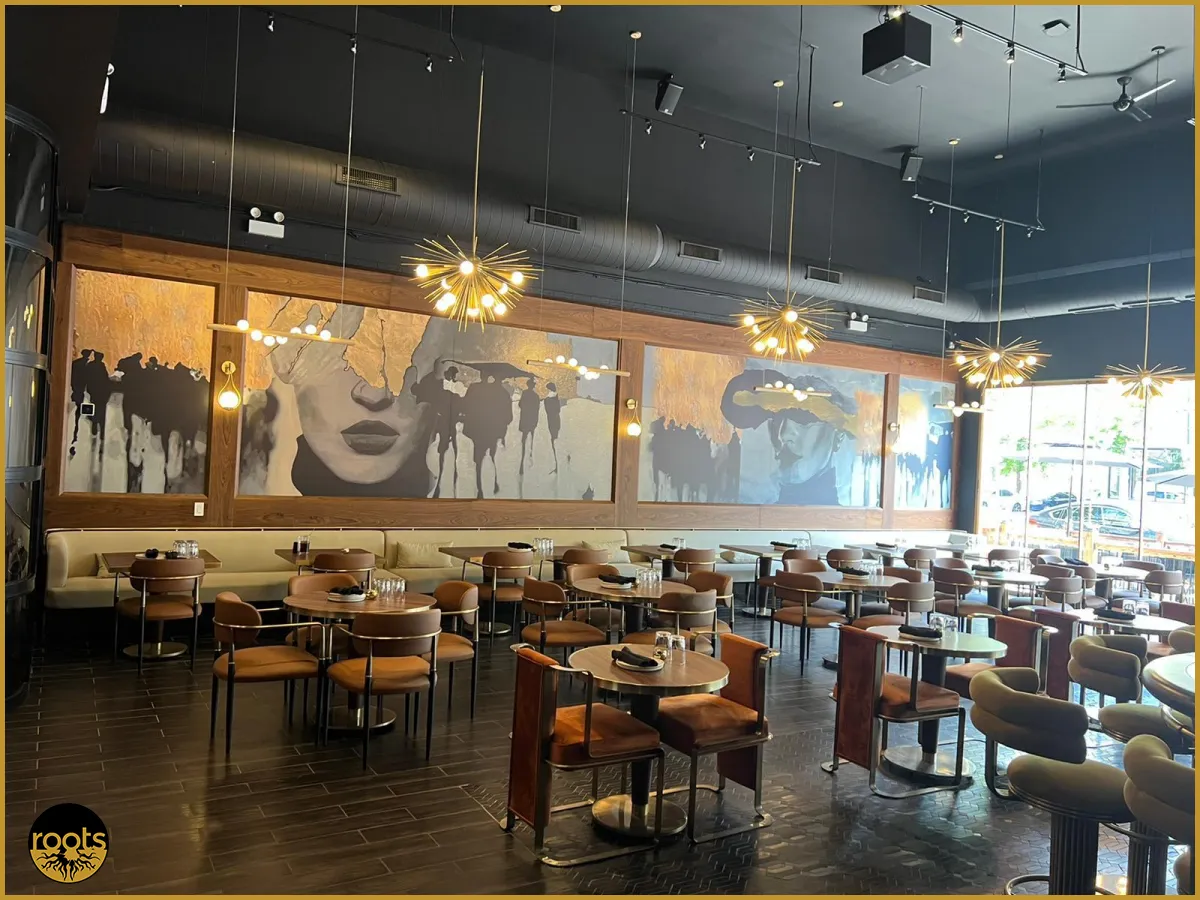
Luxury Restaurant Decorations and Interior Designs
In the success of a restaurant, the atmosphere and aesthetic understanding of the venue play as big a role as the flavors offered. Especially for restaurants in the luxury segment, interior design is the key to offering your guests an unforgettable experience. Luxury restaurant decorations not only offer a visual feast, but also reflect your brand's identity and increase customer loyalty. In this comprehensive guide, you will discover the most suitable luxury decoration and interior design solutions for your restaurant.
What Is Luxury Restaurant Decoration?
Luxury restaurant decoration is a design approach that prioritizes elegance, quality and comfort. In such designs, the quality of the materials used, furniture selection, lighting details, color palette and overall ambiance are carefully chosen to make guests feel special. The goal is to create a sophisticated atmosphere that appeals to all the senses, beyond an ordinary meal. This is often supported by special touches, original artworks and architectural details.
The Purpose and Benefits of Luxury Restaurant Interior Designs
The main purpose of luxury restaurant designs is to create a relaxing, inviting and impressive environment for guests. This is not merely an aesthetic concern, but an element that directly affects the commercial success of the business.
- Strengthening Brand Perception: High-quality decoration reinforces your restaurant's luxurious and prestigious image.
- Elevating the Customer Experience: Guests spend more time in venues where they feel special and comfortable.
- Building Loyalty: A unique and unforgettable atmosphere increases the likelihood of customers visiting the venue again.
- Providing a Competitive Advantage: By differentiating from competitors, it ensures you leave a strong impression on the target audience.
- Increasing Staff Motivation: Employees working in an aesthetically pleasing environment where they feel they belong also boosts their motivation.
Who Are Luxury Restaurant Decorations Suitable For?
Such designs are primarily ideal for restaurants serving in the upper segment. Businesses in this category may include:
- Fine-dining restaurants
- Private invitation and event venues
- Chef restaurants
- Hotel restaurants offering luxury accommodation within their structure
- Corporate hospitality venues
However, restaurants of every scale whose budget and brand strategy align with this and who wish to be innovative and differentiate themselves can also enrich their venues with luxury touches.
What Needs Do Luxury Restaurant Decorations Meet?
Luxury restaurant designs meet various needs of businesses and guests:
- Aesthetic Need: Provides a striking and harmonious visual integrity.
- Comfort Need: Aims for guests' comfort with ergonomic furniture and ideal sound/light arrangements.
- Privacy and Intimacy: Creates private areas with different seating arrangements and partitions.
- Functionality: Includes solutions that offer both aesthetic and practical use (e.g. flow of service areas, kitchen access).
- Prestige and Status: Makes guests feel they are experiencing a high-level experience.
Things to Consider in Luxury Restaurant Decoration
There are many elements that must be meticulously focused on for a successful luxury restaurant design:
- Concept Determination: A theme suitable for the restaurant's cuisine, target audience and location should be determined. (E.g. modern minimalist, classic avant-garde, rustic luxury, etc.)
- Material Quality: Durable and aesthetically rich materials such as natural stones, quality woods, special fabrics, brass/gold details should be preferred.
- Color Palette: Generally calming and sophisticated colors (beige, cream, gray tones, navy blue, burgundy, emerald green) are used. Color transitions should be soft and give a sense of depth.
- Lighting: Layered lighting is very important. In addition to general lighting, the atmosphere is enriched with table pendants, wall sconces, accent lights and even candles. Light color and intensity should be adjustable.
- Furniture Selection: Ergonomically comfortable furniture that is both aesthetic and comfortable should be selected. Chairs and armchairs should offer comfort during long sittings. Tables should be compatible with the overall style of the space.
- Acoustic Arrangement: Noise should not be disturbing in a luxurious environment. Acoustic comfort should be provided with sound insulation panels, fabric-covered walls or ceiling elements.
- Art and Accessories: Original artworks, specially designed objects and plants reflecting the character of the space can be used. These should complete the spirit of the space.
- Flow and Layout of the Space: An efficient arrangement should be made where guests can move comfortably, with sufficient distance between tables, and also for service staff.
- Details: Even the quality and design of glasses, cutlery and tablecloths reinforce the luxury perception of the space.
Material Types Used in Luxury Restaurant Design
Material selection directly affects the luxury perception of a restaurant. A comparison of different material types in terms of durability, area of use and cost is presented below:
| Material Type | Durability | Interior/Exterior Architectural Use | On the General Cost Axis | Features and Aesthetics |
|---|---|---|---|---|
| Natural Stones (Marble, Granite, Travertine, etc.) | Very High | Both interior and exterior (with suitable processing) | High | Elegant, natural, unique patterns, cold/warm feeling |
| Solid Wood (Walnut, Oak, Teak, etc.) | High (with maintenance) | Mostly interior, special coatings for exterior | High | Warm, natural, luxurious, in different tones |
| Metal and Alloys (Brass, Bronze, Stainless Steel) | Very High | Both interior and exterior | Medium-High (depending on material) | Glossy or matte, modern or classic touches, richness in details |
| Quality Fabrics (Velvet, Silk, High-Grammage Cotton/Linen) | Medium-High (depending on use) | Mostly interior | Medium-High | Textural richness, color depth, comfort |
| Glass and Mirror (Special Cut, Smoked, Colored) | Medium (impact-resistant types) | Both interior and exterior | Medium | Expands the space, reflects light, transparency or mystery |
| Ceramic and Porcelain (Decorative Series) | High | Both interior and exterior | Medium | Various pattern, texture and color options, ease of maintenance |
Alternative Design Approaches and Their Differences
Luxury restaurant decorations cannot be reduced to a single style. Different approaches are shaped according to the target audience and the characteristics of the space:
- Modern Luxury: Clean lines, minimalist furniture, neutral colors and metallic details come to the fore. Functionality and simplicity are emphasized. It is less ornate than traditional luxury.
- Classic Luxury (Avant-garde, Baroque, etc.): Richly carved furniture, detailed patterns, heavy fabrics and showy accessories are used. It generally offers a warmer and more dramatic atmosphere.
- Rustic Luxury: Natural woods, stone textures, leather details and warm colors come together. With elements such as a fireplace, an intimate and sophisticated environment is created. It contains more refined and higher-quality materials than traditional rustic.
- Industrial Luxury: Industrial elements such as raw concrete, metal pipes and open ceilings are combined with luxury fabrics, artworks and special lighting. It offers an extraordinary and trendy look.
The approach to be chosen should best reflect the restaurant's concept and brand identity. Each one offers guests a different sensory experience.
Things to Consider Before Purchasing
Luxury restaurant decoration and interior design require a significant investment. To manage this process smoothly, you should consider the following steps:
- Get Professional Help: Working with an experienced interior architect or designer helps you turn your vision into reality.
- Determine Your Budget: It is important to create a realistic budget and find the best solutions within this budget. Do not forget to leave an allowance for unexpected expenses.
- Analyze Your Space: Analyze the physical characteristics of your restaurant (area, natural light, columns, etc.) and its functional requirements well.
- Know Your Customer Profile: Understanding the expectations and tastes of your target audience is critical for the success of the design.
- Think Long-Term: Consider the durability and maintenance of the selected materials and designs.
- Research Permits: Learn the municipal permits required for the renovations or changes to be made.
- Research Suppliers: Carefully select quality material and furniture suppliers, and check their references.
Frequently Asked Questions
This content is for informational purposes.











































































