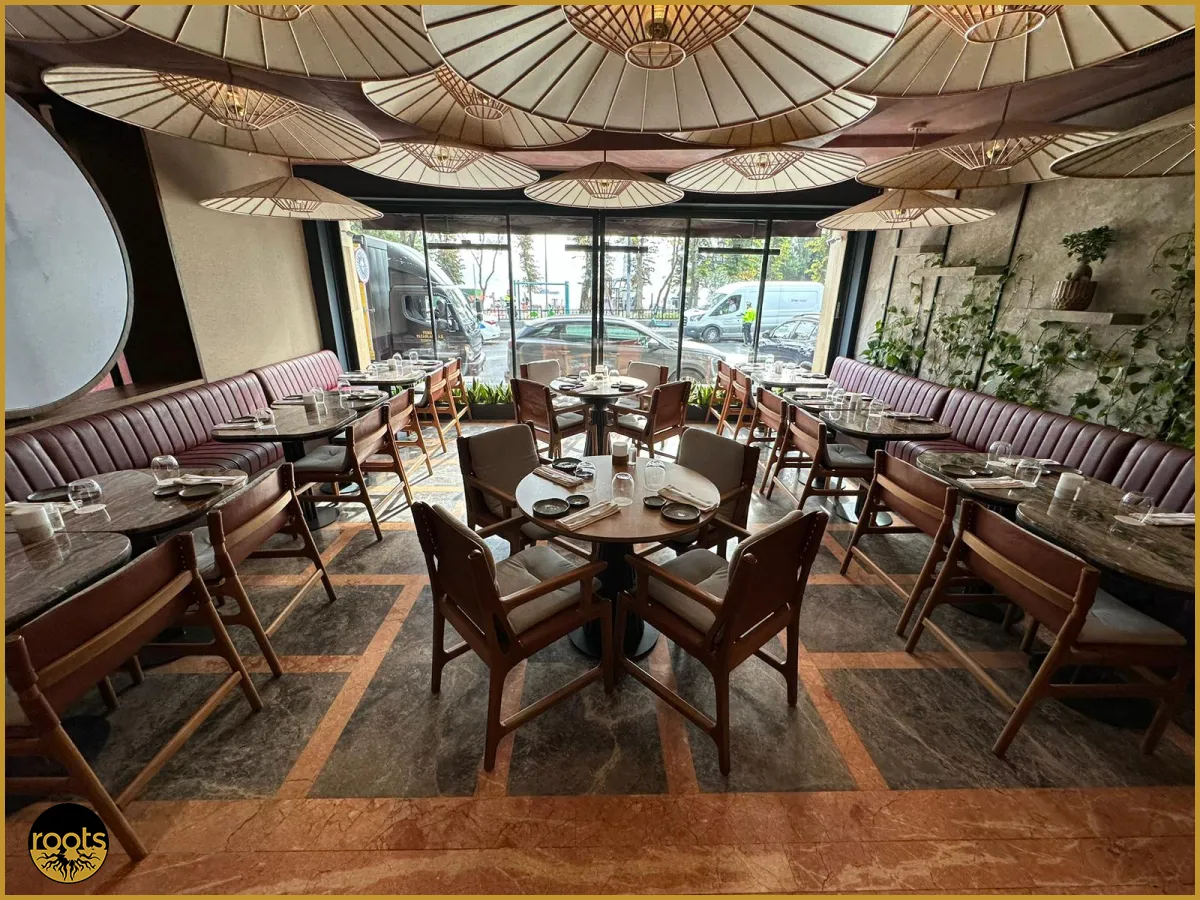
LUXURY RESTAURANT DECORATIONS - RESTAURANT INTERIOR DESIGNS: Reflect Your Venue's Identity
A restaurant's success is not limited to delicious food alone. The atmosphere that guests experience from the moment they step into the venue is an inseparable part of the service you offer. Especially for dining venues in the luxury segment, interior design is a critical element that directly reflects the brand's prestige, quality and the special feeling it offers to its guests. Luxury restaurant decorations aim to enhance guests' comfort, sensory experiences and overall satisfaction, beyond being merely an aesthetic concern.
In this comprehensive guide, we will address all the details you need to consider when creating or renovating the interior design of a luxury restaurant. By providing information across a wide range, from the fundamental principles of design to material choices, from the power of lighting to user experience, we aim to help you make decisions that will add value to your venue.
What Is Luxury Restaurant Decoration and What Does It Do?
Luxury restaurant decoration is a comprehensive interior design process that aims to create an aesthetically superior, comfortable and unforgettable atmosphere that appeals to the venue's target audience and reflects the brand's identity. In this process; the color palette, furniture selection, lighting arrangement, material quality, acoustic solutions, artistic touches and even sensory elements such as scent are meticulously addressed.
Key Benefits:
- Enriches the Customer Experience: An aesthetically attractive and comfortable environment allows guests to stay longer and have a more enjoyable time in the venue.
- Strengthens the Brand Image: A luxurious and meticulous design reinforces the quality of the venue and the prestige of the service it offers.
- Provides a Competitive Advantage: In today's highly competitive dining sector, a distinctive and striking design enables you to stand out.
- Increases Social Media Engagement: Visually impressive venues are frequently shared by guests, which creates natural promotion.
- Positively Affects Staff Performance: A comfortable and well-designed workspace can increase staff motivation and productivity.
Who Is Luxury Restaurant Decoration Suitable For?
Luxury restaurant decoration is designed primarily targeting upper-segment dining venues. Venues in this category include:
- Fine dining restaurants
- Thematic and concept-focused luxury restaurants
- Venues preferred for private invitations, celebrations and business dinners
- Gourmet restaurants within large hotels
- Chef restaurants and venues offering unique culinary experiences
- Dining venues promising a high service standard and atmosphere
Which Needs Does It Meet?
Luxury restaurant interior design meets a number of fundamental needs:
- Aesthetic and Sensory Satisfaction: It meets guests' sensory expectations by offering a dazzling visual feast.
- Comfort and Convenience: It ensures guests' comfort with ergonomic furniture, appropriate acoustic arrangements and climate control.
- Privacy and Intimacy: It offers privacy according to different needs with table arrangements, partition systems and lighting.
- Functionality: It meets operational needs such as efficient use of service areas, kitchen access and the organization of guest flow.
- Brand Identity and Reputation: It visually communicates the venue's unique identity and high standards.
In Which Situations Should It Be Preferred?
Luxury restaurant decoration should be preferred in the following situations:
- When opening a new luxury restaurant.
- When wanting to modernize the image of an existing restaurant and increase its prestige.
- When aiming to move the target audience to a higher segment.
- When aiming to stand out in competition and raise brand value.
- When wanting to increase customer satisfaction and return rates.
- When it is necessary to create memorable venues for special events and invitations.
Frequently Asked Questions
In the luxury segment, colors that are soothing, sophisticated and evoke richness are generally used. Gold, bronze, deep blues, emerald greens, burgundy, anthracite and creamy tones are frequently preferred. However, color selection should be personalized according to the restaurant's concept, cuisine and target audience. The right combination of colors can add warmth, depth and elegance to the venue.
Lighting is one of the most powerful tools in creating the atmosphere of a luxury restaurant. The right lighting highlights the warmth, ambiance and aesthetic features of the space. General lighting, accent lighting (for paintings, architectural details) and task lighting (for tables, bars) should be used together. Dimmer (light intensity adjustment) systems are ideal for changing the ambiance according to different time periods and events. Warm white light tones generally give a more inviting and luxurious feel.
Furniture selection is of great importance in terms of both aesthetics and comfort. Luxury restaurants generally prefer high-quality, durable and stylishly designed furniture. In fabric selection, materials that are stain-resistant, easy to clean and have a pleasant texture are important. Table and chair heights, seating arrangement and table spacing should be planned to allow guests to move comfortably and to protect their private space. Ergonomics should also be prioritized.
Material Selection: The Balance of Durability and Aesthetics
In luxury restaurant decoration, material selection determines both the durability and the aesthetic quality of the space. The materials used must be compatible with the overall atmosphere of the restaurant and resistant to intensive use.
Comparison of Different Material Types
| Material Type | Durability | Area of Use (Interior/Exterior Architecture) | Cost (Estimated - Lowest to Highest) | Example Uses |
|---|---|---|---|---|
| Natural Stone (Marble, Granite, etc.) | High | Both Interior and Exterior (WITH SUITABLE OPTIONS) | $$$ - $$$$ | Floors, countertops, wall coverings, tables |
| Solid Wood | Medium - High (Requires Maintenance) | Generally Interior | $$ - $$$ | Table tops, chair frames, bar units, wall panels |
| Metal (Stainless Steel, Brass, Bronze) | High | Both Interior and Exterior | $$ - $$$$ | Table legs, chair frames, lighting fixtures, decorative elements |
| High-Quality Fabrics (Velvet, Leather, etc.) | Medium - High (Cleaning and Maintenance Important) | Interior Only | $$ - $$$ | Armchairs, chairs, curtains, wall coverings |
| Ceramic / Porcelain | High | Both Interior and Exterior | $ - $$ | Floors, wall coverings, countertops |
| Mirror and Glass Details | Medium (Fragility) | Interior Only | $ - $$ | Wall panels, table surfaces, decorative elements, partitions |
* Cost estimates provide a general overview and may vary depending on material quality, brand and workmanship.
Space Layout and Functionality
A successful luxury restaurant design should consider the functionality of the space layout as well as aesthetics. It is important that guest flow is natural and comfortable, that service staff can work efficiently and that it can respond to different usage needs.
- Entrance and Welcome Area: This area, where guests gain their first impression, should reflect the identity of the brand and offer a warm welcome.
- Seating Arrangements: Seating options (private booths, open tables, lounge areas) suitable for different group sizes and needs (privacy, view dominance, etc.) should be offered.
- Service Routes: Corridors should be planned that allow staff to move comfortably and provide easy access to the kitchen and service areas.
- Bar Area: The bar, which completes the atmosphere of the space and creates a social focal point, should be designed stylishly and functionally.
- Kitchen Integration: The connection between the kitchen and service areas is critical for operational efficiency.
Decorative Elements and Details
The elements that define the character and elegance of a luxury restaurant are often hidden in the details.
- Artworks and Objects: Paintings, sculptures or antique objects chosen in line with the concept of the space add character to the space.
- Planting: Natural plants add vitality and freshness to the space. If artificial plants are to be used, attention should be paid to their quality.
- Textile Products: High-quality curtains, tablecloths, cushions and carpets add richness and comfort to the space.
- Wall Decoration: Special wallpapers, panels, mirrors or texture coverings add depth and interest to the walls of the space.
- Partition Systems: Decorative screens, glass partitions or plant walls can be used to divide areas and provide privacy.
Points to Consider Before Purchasing and Planning
Paying attention to the following points before starting a luxury restaurant decoration project and while selecting decoration products will enable you to maximize the return on your investment:
- Determining the Concept and Target Audience: Clearly determine which cuisine your venue will offer and which age and socioeconomic group of guests it will appeal to. This will form the foundation of the design.
- Getting Professional Support: Working with interior architects and designers will help you bring your vision to life, make the right decisions in material selection and ensure the project progresses within budget.
- Budget Planning: Create a detailed budget. Consider the costs of furniture, lighting, floor coverings, wall decoration, accessories and labor.
- Material Quality and Durability: In a restaurant environment subject to intensive use, the durability of the material is as important as aesthetics. Choosing quality and easy-to-maintain materials provides savings in the long term.
- Ergonomics and Comfort: Guest comfort should always be a priority. Do not overlook elements such as the seating comfort of chairs, table heights and ease of circulation within the space.
- Lighting Strategy: Determine the right lighting types and color temperatures for different areas. Evaluate systems that offer flexible solutions such as dimmer systems.
- Acoustic Solutions: Sound insulation and acoustic arrangements are important for a comfortable conversation environment in a luxury venue.
- Legislation and Safety Standards: Compliance with legal requirements such as fire safety, emergency exits and hygiene standards must be ensured.
- Flexibility and Modularity: Consider designing your venue with the flexibility to adapt to possible future changes or special events.
Turn Your Venue into an Experience
Luxury restaurant decoration is not only a visual improvement but also the art of offering your guests an unforgettable experience. The right design decisions strengthen the identity of your venue, increase brand value and enable you to stand out in competition. By bringing together aesthetics, comfort, functionality and quality, you can create a special atmosphere where you will want to host your guests again and again.











































































