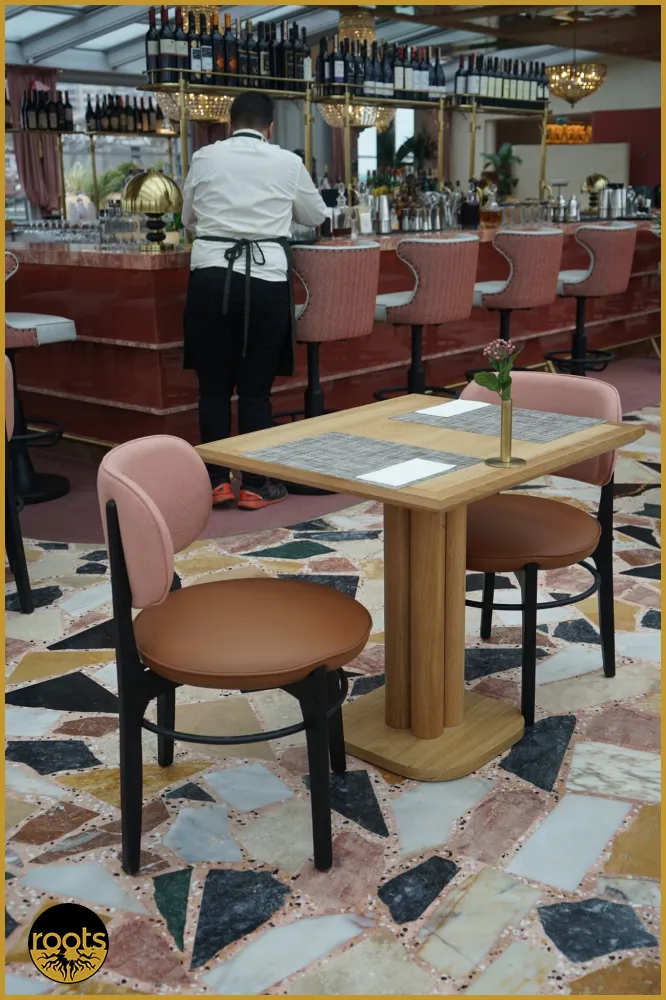
Concept Design and Strategic Approaches in Luxury Restaurant Decoration
A luxury restaurant design is not merely an aesthetic presentation, but a holistic experience construct that appeals to all the senses of guests. Defining a venue as luxurious depends not on the cost of the materials used, but on how harmoniously these materials are blended with spatial flow, comfort and functionality. Interior design is the most powerful communication tool reflecting a brand's identity. A correctly planned decoration not only offers a visual feast, but also increases operational efficiency and directly affects customer loyalty.
The Effect of Interior Design on the Customer Decision Process
Although the reasons for being preferred in the gastronomy world begin with food quality, the atmosphere offered by the venue ensures that this preference becomes permanent. In fine-dining or upper-segment bistro concepts, guests seek environments where they will feel special, where privacy is protected and where every detail is meticulously considered. The angle of lighting, the texture of furniture and the quality of acoustic balance are the elements that directly determine the time a guest spends in the venue and their spending potential.
Material Selection and Functionality in Luxury Restaurants
When selecting materials in the luxury segment, the tripod of aesthetics, durability and sustainability must be taken into consideration. For example, while the use of natural marble adds weight and prestige to the venue, technical features such as stain resistance and wear resistance come into play in high-traffic areas. In furniture selection, ergonomics should not take precedence over design; a stylish chair must also provide comfort during long periods of sitting.
| Material Type | Durability | Area of Use | Cost Scale |
|---|---|---|---|
| Natural Marble & Quartz | High (Acid sensitive) | Counters, Table Tops | High |
| Solid Oak / Walnut | Medium - High | Flooring, Furniture, Panels | Medium - High |
| Brass & Stainless Steel | Very High | Lighting, Decorative Slats | High |
| Velvet & Leather Upholstery | Medium (Requires maintenance) | Lounge Seating Groups | Medium |
Critical Points to Consider in the Design Process
The fundamental elements to consider before implementing a successful restaurant project are as follows:
- Acoustic Planning: No matter how luxurious the venue is, if sound reflection (echo) is not brought under control, guest comfort is compromised. Acoustic panels or soft-textured textiles should be used.
- Lighting Layers: Instead of a single light source, a layered strategy such as ambient lighting, task lighting and accent lighting should be followed.
- Circulation Areas: The movement areas of service staff and guests should not overlap, and passages should be kept spacious.
- Privacy and Layout: The distance between tables should support the sense of private space required by the luxury segment.
- Entrance and Welcome Area: The first impression of the venue is formed here; the welcome desk should reflect the character of the brand.
Alternative Design Approaches: Modern vs. Classic Luxury
The concept of luxury today progresses along two main axes. While classic luxury manifests itself with heavy woodwork, gilded details and crystal lighting, modern luxury is defined by minimalism, the sophisticated use of raw materials (raw concrete, natural stone) and technological integration. The style to be preferred must be directly compatible with the restaurant's cuisine and target audience. For example, while a fusion cuisine calls for modern and dynamic lines, a traditional steak restaurant may need warmer and more classic textures.
Frequently Asked Questions
1. How should budget management be handled in a luxury restaurant decoration?
A large portion of the budget should be allocated to the areas the guest directly comes into contact with (furniture, tableware) and to the lighting that defines the atmosphere. Infrastructure and kitchen requirements, on the other hand, should not be overlooked for operational sustainability.
2. Why is color temperature important in lighting selection?
Warm yellow lights in the 2700K - 3000K range are generally preferred in luxury venues. This light color makes the food look more appetizing and creates a relaxing environment.
3. Is it possible to make a small venue look luxurious?
Yes, with the strategic use of mirrors, vertical-lined designs and custom-designed compact furniture, a highly prestigious atmosphere can be created in small venues as well.
4. How should the fabrics used in decoration be selected?
In commercial venues, fabrics with a high "Martindale" test result, resistant to abrasion and, if possible, with flame retardancy (FR) properties should be preferred. Easy-to-clean nanotechnological textures reduce costs in the long run.
In conclusion, luxury restaurant interior designs are not just a decoration project but a business strategy. Before investing, material quality, technical infrastructure and the expectations of the targeted customer base should be meticulously analyzed. A professional design process ensures that the venue remains timeless, minimizing revision costs in the long run and raising the brand's market value.











































































