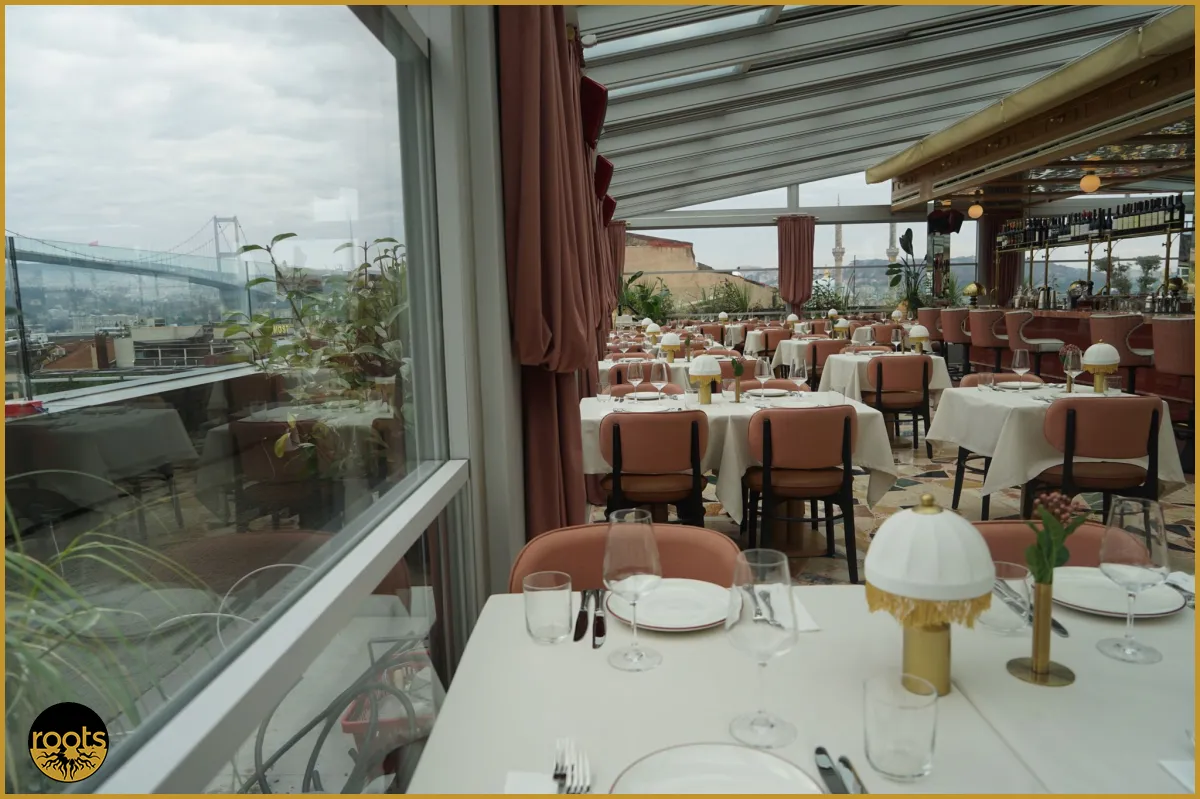
LUXURY RESTAURANT DECORATIONS - RESTAURANT INTERIOR DESIGNS
The success of a restaurant is directly related not only to the flavors it offers but also to the ambiance it creates. In particular, luxury restaurant decorations and restaurant interior designs form one of the cornerstones of offering your guests an unforgettable experience. This detailed guide will guide you in making the right design decisions for your restaurant.
What Is Luxury Restaurant Decoration?
Luxury restaurant decoration is the art of creating a sophisticated and elegant atmosphere that stands out with the quality of the materials used throughout the venue, the aesthetic integrity of the design, the lighting solutions and the furniture selections. The aim is to offer a comfortable and unforgettable dining experience in which guests feel special.
The Importance of Restaurant Interior Design
A well-designed restaurant interior design:
- Increases customer satisfaction.
- Strengthens the brand identity of the venue.
- Optimizes staff efficiency.
- Raises the overall perception and prestige of the venue.
- Potentially supports higher pricing strategies.
Who Is This Design Concept Suitable For?
Such designs are primarily suitable for:
- Businesses with a fine-dining (restaurants offering high-level service) concept.
- Venues preferred for special occasion celebrations, business dinners and romantic evenings.
- Restaurants that appeal or wish to appeal to the high-income group.
- Businesses that want to match the quality of food and beverages with the atmosphere of the venue.
Which Needs Does It Meet?
Luxury restaurant decorations and interior designs are intended to meet the following needs:
- Spatial Aesthetics and Atmosphere: Creating a stylish and inviting environment that visually impresses guests.
- Comfort and Ergonomics: Offering comfortable furniture and functional space arrangements for long sittings.
- Brand Perception and Prestige: Creating an identity that reflects the quality and high level of the restaurant.
- Customer Experience: Ensuring that guests feel special, valued and privileged.
- Operational Efficiency: Making arrangements that facilitate service flow and optimize communication between the kitchen and service areas.
In Which Situations Should It Be Preferred?
While reviewing the current situation of your restaurant, you may consider adopting a luxury decoration and design concept in the following scenarios:
- If a new restaurant is being opened and a strong first impression is to be made.
- If the customer base of an existing restaurant is to be expanded and moved to a higher-segment position.
- If the goal is to stand out and make a difference in a highly competitive market.
- If the physical structure of the venue (location, building features) supports a luxury concept.
- If the existing decoration is considered old, worn or incompatible with the target audience.
Key Elements Used in Luxury Restaurant Design
A successful luxury restaurant design is a harmonious whole of carefully selected elements:
- Material Selection: Luxury materials such as natural stones (marble, granite), high-quality woods, metals like brass and bronze, special woven fabrics, velvet and silk are used.
- Lighting: It is one of the most important elements that define the ambiance. Custom-designed dimmable (adjustable light intensity) pendants, wall sconces, concealed lighting and candlelight are used. Lighting focuses on the tables and key decorative elements, creating a warm and inviting atmosphere.
- Furniture: Comfortable, ergonomic and aesthetically pleasing furniture is preferred. High-quality upholstery such as leather and velvet, custom-designed dining tables and chairs, stylish bar stools and seating groups are used.
- Color Palette: Rich and sophisticated colors are generally preferred. Metallic tones such as gold, silver and bronze, and colors such as deep burgundy, emerald green, navy blue, cream, beige and gray can be used. Repeating and harmonious color palettes ensure the integrity of the space.
- Wall and Ceiling Decoration: Custom-designed wallpapers, wooden panels, mirrors, artworks, textile applications and architectural details (recessed niches, moldings) are used. Ceiling designs can also add depth and aesthetics to the space.
- Floor Coverings: Marble, natural stone, high-quality parquet or custom-designed carpets are generally preferred. The floor has a significant impact on the overall texture and feel of the space.
- Acoustic Arrangement: Sound insulation and acoustic comfort are important in luxury spaces. Soft textures, carpets and special acoustic panels absorb noise and provide a calmer environment.
- Planting and Art: Carefully selected plants and artistic objects such as paintings and sculptures hung on the walls are used to add vitality to the space.
What Sets It Apart from Alternatives?
Luxury restaurant decorations differ from standard or bistro-style venues in the following ways:
- Material and Workmanship Quality: Every material used is of the highest level and the workmanship is flawless.
- Custom-Designed Products: Furniture and decorative objects designed specifically for the space rather than ready-made products.
- Detail Orientation: Every detail (cutlery set, napkin ring, menu design) is considered as part of a whole.
- Emphasis on Atmosphere and Experience: The aim is to offer a holistic sensory experience, not just food.
- High Cost Impact: The initial investment cost of this type of design and decoration is higher.
Material Comparison
A comparison of some materials frequently used in luxury restaurant designs in terms of durability, area of use and cost:
| Material Type | Durability | Interior/Exterior Architectural Use | Cost (General Assessment) | Notes |
|---|---|---|---|---|
| Marble | Medium-High (May be sensitive to scratching and staining) | Interior Only (Floor, countertop, wall cladding) | High | Offers an aesthetic and sophisticated look. May require special maintenance. |
| Granite | High (Durable, scratch-resistant and stain-resistant) | Interior and Exterior (Countertop, floor, wall cladding) | Medium-High | Easy to maintain, suitable for versatile use. |
| Solid Wood (Walnut, Teak, etc.) | Medium-High (Depending on maintenance) | Interior Only (Furniture, panel, floor) | High | Gives a feeling of warmth and naturalness. Care should be taken against scratches. |
| Brass/Bronze | High (Can oxidize but easy to clean) | Interior (Accessories, lighting, furniture details) | High | Adds a luxurious and classic atmosphere. |
| Velvet/Silk Fabrics | Low-Medium (Sensitive to wear and staining) | Interior Only (Upholstery, curtain) | Medium-High | Provides a luxurious and comfortable touch. Attention should be paid to intensive use. |
| Stainless Steel | High | Interior and Exterior (Countertop, furniture, accessory) | Medium | It is a modern and durable option. |
Things to Consider Before Purchasing
Here are the critical points you should consider before starting a luxury restaurant decoration and design project:
- Budget Determination: Make a detailed budget plan for all stages of the project. Include material, labor, furniture, lighting, decoration and consultancy expenses.
- Target Audience Analysis: Understand well the expectations and aesthetic understanding of the customer base your restaurant targets.
- Physical Characteristics of the Space: Take into account factors such as the size, shape, ceiling height and natural light reception of the space.
- Functionality: In addition to being aesthetic, the design must also be functional in terms of guest comfort and the efficiency of staff operations.
- Brand Identity Integration: Make sure that the design is compatible with your restaurant's brand identity, concept and the dishes it offers.
- Expert Support: Working with an experienced interior architect or designer ensures that the process progresses more professionally and successfully.
- Material Quality and Maintenance: Evaluate the durability, maintenance requirements and long-term cost of the selected materials.
- Lighting Planning: Plan appropriate lighting solutions in advance for different scenarios (daytime, evening, special events).
- Acoustic Comfort: Do not ignore sound insulation and acoustic arrangements so that guests can converse comfortably.
Frequently Asked Questions
In Conclusion
A luxury restaurant decoration and interior design not only offers a visual feast but also promises a comfortable and unforgettable experience that makes your guests feel special. The right material selection, strategic lighting, functional layout, and an aesthetic understanding in harmony with the brand identity are the elements that will directly affect the success of your restaurant. This investment will pay for itself in the long run by increasing customer loyalty and raising the prestige of the space.











































































