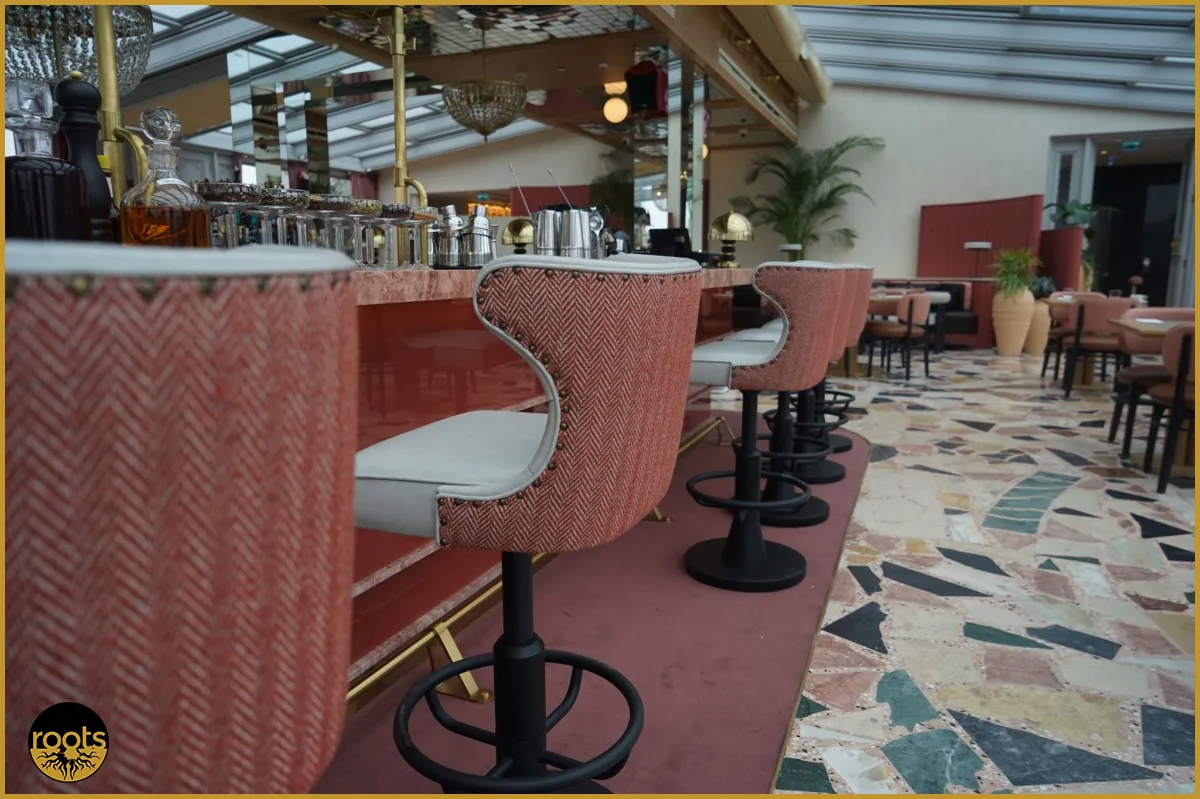
Luxury Restaurant Decorations and Interior Designs
Restaurant management requires offering guests an unforgettable atmosphere in addition to delicious food. In particular, luxury restaurant decorations and restaurant interior designs define the identity of the venue, enrich the customer experience and increase the prestige of the brand. A successful interior design not only addresses aesthetic concerns but also supports operational efficiency.
The role of the interior in the success of a restaurant cannot be ignored. A properly designed venue;
- Increases Customer Satisfaction: A comfortable and aesthetically pleasant environment allows guests to stay longer and have a pleasant time.
- Reflects Brand Identity: The design communicates the restaurant's concept, target audience and the experience it offers to visitors from the very first moment.
- Provides Operational Convenience: A cleverly planned layout facilitates the movement of service staff and optimizes the flow between kitchen and service areas.
- Offers a Competitive Advantage: Original and eye-catching designs enable differentiation from competitors and standing out.
- Supports Sales: Appetizing colors, proper lighting and comfortable seating arrangements can encourage guests to order more.
Luxury restaurant decorations and interior designs are ideal primarily for the following groups:
- Fine Dining Restaurants: Venues offering the highest level of dining experience must reflect this quality through their designs as well.
- Boutique Hotel Restaurants: Hotels seeking to create a sophisticated and distinguished atmosphere in harmony with the hotel's overall concept.
- Private Event Venues: Venues seeking a stylish and prestigious ambiance for receptions, celebrations and corporate events.
- Concept Restaurants: Businesses built on a specific theme or themes that want to make this theme strongly felt in their design.
- Every Business That Wants to Make a Difference in the Gastronomy Sector: All restaurant, cafe and bar operators aiming to move away from the ordinary and offer their guests a unique experience.
A quality restaurant interior design;
- An Aesthetic and Visual Experience: Offers a visual feast with striking colors, textures, furniture and lighting elements.
- Comfort and Usability: Includes ergonomic solutions that allow guests to sit comfortably and staff to serve with ease.
- Acoustic Comfort: Provides acoustic arrangements in which noise is kept under control and conversation can be held comfortably.
- Spatial Planning: Ensures optimal planning of different seating groups (private tables, group areas, bar seating), waiting areas and service routes.
- Strengthening Brand Image: Creates a strong brand identity with design elements that reflect the spirit of the venue.
Luxury restaurant decorations and interior designs offer the most effective solutions in the following situations:
- Opening a New Restaurant: To convey the right message to the target audience while establishing the venue's initial identity.
- Renovation of an Existing Venue: To modernize and increase the prestige of venues that have aged, lost their concept or fail to meet customer expectations.
- Brand Repositioning: When the restaurant changes the quality of service it offers or its target audience, and the venue must reflect this change as well.
- Seasonal or Thematic Changes: To integrate specific elements in order to enliven the atmosphere for special occasions or seasons.
Unlike standard or ordinary decorations, luxury restaurant designs;
- Material Quality: Generally, higher-grade, durable and aesthetically rich materials (natural stones, special woods, quality fabrics, metal details) are used.
- Emphasis on Details: The aim is for every detail (lighting fixtures, table accessories, wall coverings, menu design) to be meticulously selected and in harmony.
- Originality and Customization: Rather than general trends, original solutions that reflect the venue's own story and spirit are brought to the forefront.
- Sophisticated Color Palettes and Textures: Rich, elegant and generally calmer or more controlled color palettes are combined with textural richness.
- Balance of Spatial Flow and Functionality: Focus is placed not only on visual beauty but also on guest comfort and operational efficiency.
The main materials used in luxury restaurant designs differ in terms of durability, aesthetics and cost. The following table summarizes some popular options:
| Material Type | Durability (For Restaurant Use) | Indoor/Outdoor Architectural Suitability | Cost (General Tendency) |
|---|---|---|---|
| Natural Stone (Marble, Granite, etc.) | High, resistant to stains and scratches (some types may be more sensitive) | Floors, countertops, wall cladding in indoor spaces; limited use outdoors (depending on weather conditions) | High |
| Solid Wood (Walnut, Oak, etc.) | Medium-High, long-lasting with proper maintenance, can be scratched | Floors, furniture, wall panels, decorative elements in indoor spaces | Medium-High |
| Metal (Brass, Copper, Stainless Steel) | High, durable and easy to clean | Furniture details, lighting, architectural elements in indoor and outdoor spaces | Medium-High (varies by alloy) |
| High-Quality Fabrics (Velvet, Leather, Silk Blends) | Medium, depends on usage intensity and maintenance | Upholstery, curtains, cushions in indoor spaces | Medium-High |
| Ceramic and Porcelain Tiles | Very High, resistant to stains, scratches and moisture | Floors, wall cladding, countertops in indoor and outdoor spaces | Low-Medium |
| Decorative Paints and Coatings (Effect Paints, Patterned Wallpapers) | Medium-High, depends on application and quality | Wall and ceiling applications in indoor spaces | Low-Medium |
Luxury restaurant decorations and interior designs should be seen as an investment. Making informed decisions during this process guarantees success in the long term:
- Target Audience Analysis: Analyze in detail the customer profile your venue appeals to. The design should reflect their expectations and lifestyle.
- Venue Concept and Brand Identity: There should be integrity between the dining concept your restaurant offers, the quality of the service provided and the brand story, and the design.
- Physical Characteristics of the Venue: The design should be directed by taking into account the advantages of the existing structure (height, daylight, etc.) and its disadvantages (columns, narrow areas, etc.).
- Budget Planning: A realistic budget should be created for design, material selection, application and decorative elements, and this budget should be adhered to.
- Getting Professional Support: Working with an experienced interior architect or designer ensures you reach the most correct solutions in terms of both aesthetics and functionality.
- Operational Efficiency: Consider how the design will affect the flow between the kitchen, service areas, restrooms and guest seating arrangements.
- Lighting Planning: Lighting, one of the most important elements determining the ambiance, should be planned in detail in terms of both general and accent lighting.
- Acoustic Arrangements: Sound insulation and the use of absorbent materials should be considered for a comfortable conversation environment.
- Flexibility and Updatability: Evaluate how flexible the design can be for possible future changes or updates.
In luxury restaurant decoration, the quality of the materials used, the finesse of the craftsmanship, the importance given to details and the sophistication of the overall atmosphere come to the fore. While standard decoration focuses more on basic needs and functionality, luxury design aims to offer an unforgettable experience that appeals to the senses of guests. Elements such as color palettes, textures, lighting and furniture selection are chosen in a more meticulous and harmonious integrity.
Calm, sophisticated and appetite-stimulating colors are generally preferred in luxury restaurant designs. Colors such as gold yellow, bronze, cream, beige, dark gray, navy blue, emerald green offer both a rich appearance and create an elegant atmosphere. While various shades of red and orange are used for their appetite-stimulating effect, excess is prevented by balancing them with other colors. Color selection may also vary depending on the concept and target audience of the restaurant.
Natural materials (stone, wood, marble, etc.) add warmth, texture and an authentic atmosphere to spaces. Their visual richness and being environmentally friendly are the main reasons they are preferred in the luxury segment. At the same time, when chosen and applied correctly, they are extremely durable and can become even more beautiful over time. The value and premium feel they add to a space are indispensable for the luxury segment.
Lighting is one of the most critical elements that determine the atmosphere and ambience of a restaurant. In luxury designs, both illuminating the space homogeneously with general lighting and focusing on specific areas with special lighting elements (chandeliers, wall sconces, small lamps on tables) enhance the depth and aesthetics of the space. The right lighting improves the appearance of the food, makes guests feel comfortable and strengthens the perception of luxury in the space.
Yes, it is possible to create a luxurious and sophisticated design in small spaces as well. What matters here is planning the space smartly, making the right color and material choices, and creating optical illusions. By using light colors, glossy surfaces, correctly positioned mirrors and multi-purpose furniture, the area can appear more spacious and larger. Quality and elegant touches used in the details will preserve the perception of luxury in the space.











































































