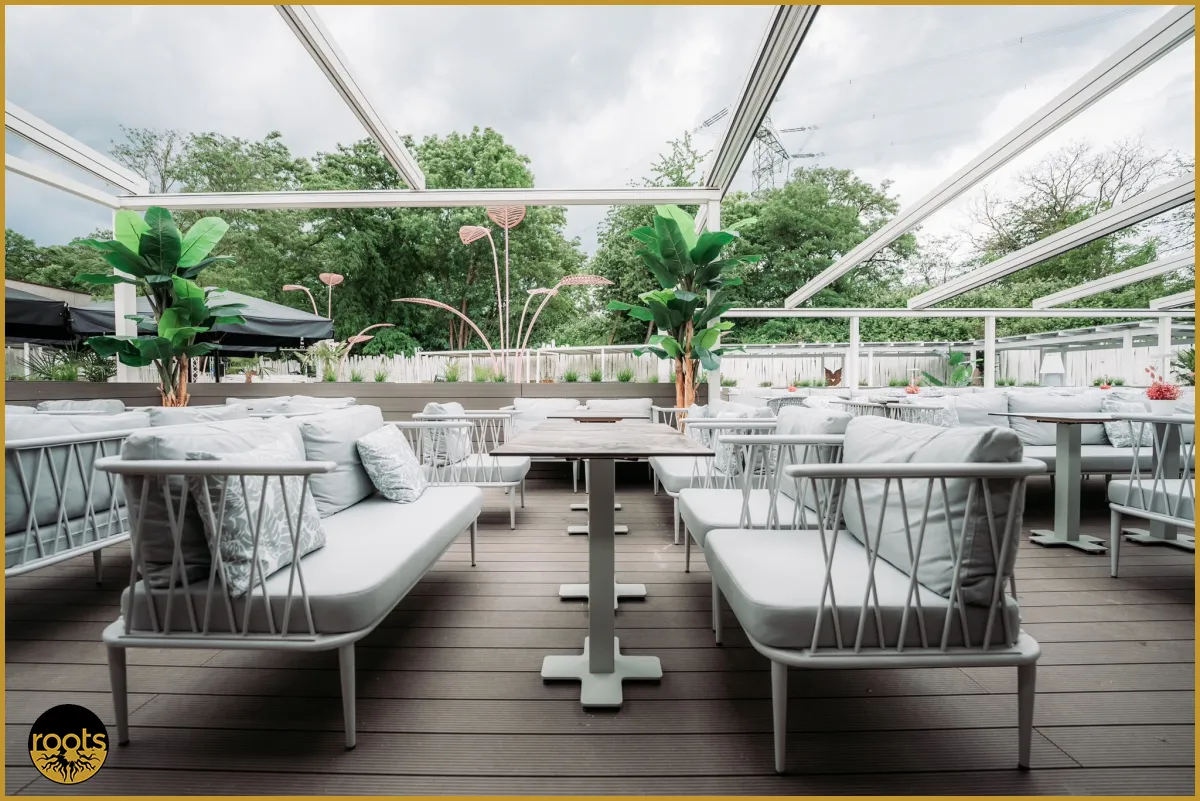
Restaurant Garden Furniture Project: The Key to Transforming Your Venue into an Outdoor Experience
Restaurant garden furniture is the process of transforming a business's outdoor area into a space that is not only functional but also aesthetic and inviting. The right furniture selection can increase customer satisfaction, enrich the overall ambiance of the venue, and provide a competitive advantage. This comprehensive guide aims to present all the essential information for business owners and managers planning a furniture project for their restaurant's garden or terrace.
Why Is the Restaurant Garden Furniture Project Important?
Restaurant garden furniture creates an additional seating area by offering customers the opportunity to dine, socialize and relax outdoors. This increases the capacity of the business, especially during periods when weather conditions are suitable, and offers a different atmosphere experience. A successful garden furniture project:
- Enriches the Customer Experience: Comfortable and stylish furniture offers your guests a pleasant experience.
- Increases Venue Capacity: Thanks to the effective use of the available space, it allows you to host more guests.
- Elevates Aesthetic Value: It strengthens your brand image by increasing the visual appeal of your venue.
- Turns Seasonality to Your Advantage: With furniture resistant to bad weather conditions, it makes your outdoor area usable for most of the year.
- Offers a Competitive Advantage: A unique and comfortable outdoor area allows you to stand out from your competitors.
Who Is the Restaurant Garden Furniture Project Suitable For?
This type of project is suitable for all kinds of food and beverage businesses that want to make use of their outdoor areas:
- Restaurants: Any restaurant with a garden, terrace or courtyard.
- Cafes and Bistros: Those who want to offer a comfortable environment to customers who want to escape the pace of city life.
- Hotels: Those who want to provide their guests with additional areas for activities other than accommodation.
- Bars and Clubs: Those who want to offer the opportunity to socialize on summer evenings or outdoors.
- Event Venues: Those who want to expand their spaces for outdoor weddings, parties or corporate events.
Which Needs Does It Meet and in Which Situations Should It Be Preferred?
The restaurant garden furniture project is designed to meet the following needs and is ideal for specific situations:
- Need for Additional Seating Area: In situations where indoor capacity is insufficient or there is additional demand.
- Desire to Create a Different Atmosphere: When it is desired to offer customers a spacious and natural environment different from indoor spaces.
- Seasonal Usage Opportunities: When the goal is to use the venue more actively during periods when weather conditions permit.
- Strengthening the Brand Concept: In situations where the business wants to project an image of being in touch with nature, comfortable or luxurious.
- Prioritizing Customer Comfort: When the goal is to offer not only a meal but also a pleasant time experience.
Material Options and Features
Material selection in garden furniture has a direct impact on the durability, maintenance, aesthetics and cost of the products. Here are some commonly used material types and their comparisons:
| Material Type | Durability | Indoor/Outdoor Architectural Compatibility | Cost | Features |
|---|---|---|---|---|
| Wood (Teak, Acacia, Pine, etc.) | High (especially teak and acacia) | Suitable for both, must be specially treated for outdoor use. | Medium - High | Offers a natural and warm appearance. May require regular maintenance (oiling, varnishing). May be sensitive to weather conditions. |
| Metal (Aluminum, Iron, Steel) | Very High (in stainless and weather-resistant models) | Ideal for outdoor use, some designs can also be used indoors. | Medium - High | Durable, can adapt to modern or classic designs. Iron and steel require coating against rust. Aluminum is lightweight and rust-resistant. |
| Synthetic Rattan (Polyrattan) | High | Specially produced for outdoor use, can also be a stylish alternative for indoor use. | Medium | Offers an appearance similar to natural rattan, resistant to UV rays, water and stains. Easy to maintain. |
| Plastic / Polypropylene | Medium - High | Designed for outdoor use. | Low - Medium | Lightweight, easy to clean. Colors may fade or become brittle over time. Mostly preferred for economical and temporary solutions. |
| Concrete / Ceramic | High | Suitable for outdoor use, used in tables or decorative elements. | Medium - High | Offers a heavy, durable and modern appearance. May heat up in sunlight. |
Differentiating Aspects from Alternatives
Beyond standard table and chair sets, a restaurant garden furniture project offers the following differences:
- Custom Design and Arrangement: Custom solutions are developed in line with the venue's architecture, customer profile and brand identity.
- Modular and Functional Designs: Modular furniture that can adapt to different seating arrangements may be preferred to use the space most efficiently.
- Comfort-Focused Details: Customer comfort is maximized with details such as ergonomic designs, water-resistant cushions and adjustable canopies.
- Durability and Ease of Maintenance: Operating costs are reduced by choosing materials that are durable against intensive use and external factors and easy to clean.
- Design Integrity: Along with the furniture, a holistic atmosphere is created together with lighting, planting and decorative elements.
Things to Consider Before Purchasing
Important points to consider for a successful restaurant garden furniture project are as follows:
- Space Analysis: Factors such as the size and shape of the existing area, its sun exposure and whether it receives wind should be taken into account.
- Customer Capacity: Enough seating area should be planned to meet the maximum number of customers your business targets.
- Durability and Weather Resistance: It should be researched how durable the furniture is against outdoor conditions (rain, sun, wind, temperature changes).
- Ease of Maintenance: Furniture subject to intensive use should be easy to clean and maintain.
- Comfort and Ergonomics: Ergonomic designs where customers can sit comfortably and spend time for long periods should be preferred.
- Aesthetics and Brand Identity: The color, style and material of the furniture should be compatible with the overall concept of the venue and the brand identity.
- Budget Management: Although quality materials provide a cost advantage in the long term, the most suitable options should be evaluated in line with the initial budget.
- Supplier Reliability: It is important to work with reliable suppliers regarding product warranty, delivery time and after-sales services.
- Safety: Safety elements such as the stability of the furniture, the absence of sharp corners and materials that are not harmful to human health should not be overlooked.
- Regulations and Permits: Where necessary, information should be obtained about the permits that must be obtained from local authorities regarding outdoor space use.
Frequently Asked Questions (FAQ)
Cushions specially designed for garden furniture are generally made from fabrics with water-resistant or water-repellent properties. However, if they remain under heavy rain for a long time, they can still absorb some moisture. Therefore, especially when long periods of rain are expected, it is recommended to remove the cushions and store them in a dry place or to use waterproof covers. It is also important that the inner filling of the cushions can dry quickly.
You can follow several methods to protect your furniture during the winter months:
- Cleaning: Clean your furniture thoroughly before winter.
- Covering: You can put protective covers of suitable size and resistant to weather conditions over your furniture. This protects them from snow, rain and frost.
- Storage: If possible, you can store your furniture by moving it to an enclosed and dry area (such as a warehouse or garage). Moving the cushions to a sheltered place in the same way will also extend their life.
- Precautions According to Material Type: Special wood protective products can be used for wooden furniture. Metal furniture may need to be protected with additional precautions against rusting.
When choosing the furniture style, consider the overall concept of your venue and the customer profile you are targeting:
- Modern and Minimalist: Metal or synthetic rattan furniture with clean lines offers a stylish and contemporary look.
- Rustic and Natural: Wooden furniture creates a warm and friendly atmosphere. It is ideal for rural or nature-themed venues.
- Classic and Elegant: Metal furniture with wrought iron details or carved wooden designs can add a more sophisticated air.
- Bohemian and Relaxed: A dynamic environment can be created by using colourful cushions, various textures and furniture in different styles together.
A professional project generally includes the following steps:
- Needs Analysis and Survey: Determining the physical conditions of the venue and the needs of the business.
- Concept Development: Creating a design concept suited to the style of the venue and the brand identity.
- Design and Planning: Drawing furniture layout plans, making material and colour selections.
- Product Selection and Supply: Selecting and supplying high-quality, durable and aesthetic furniture.
- Implementation and Assembly: Placing the furniture in the area and carrying out assembly operations.
- Decoration and Completion: Completing the venue with details such as lighting, planting and textile products.
- Consultancy and Maintenance Recommendations: Providing information about the care and protection of the furniture.
This content has been prepared to support your decision-making process while considering a garden furniture project for your restaurant. All rights reserved.











































































