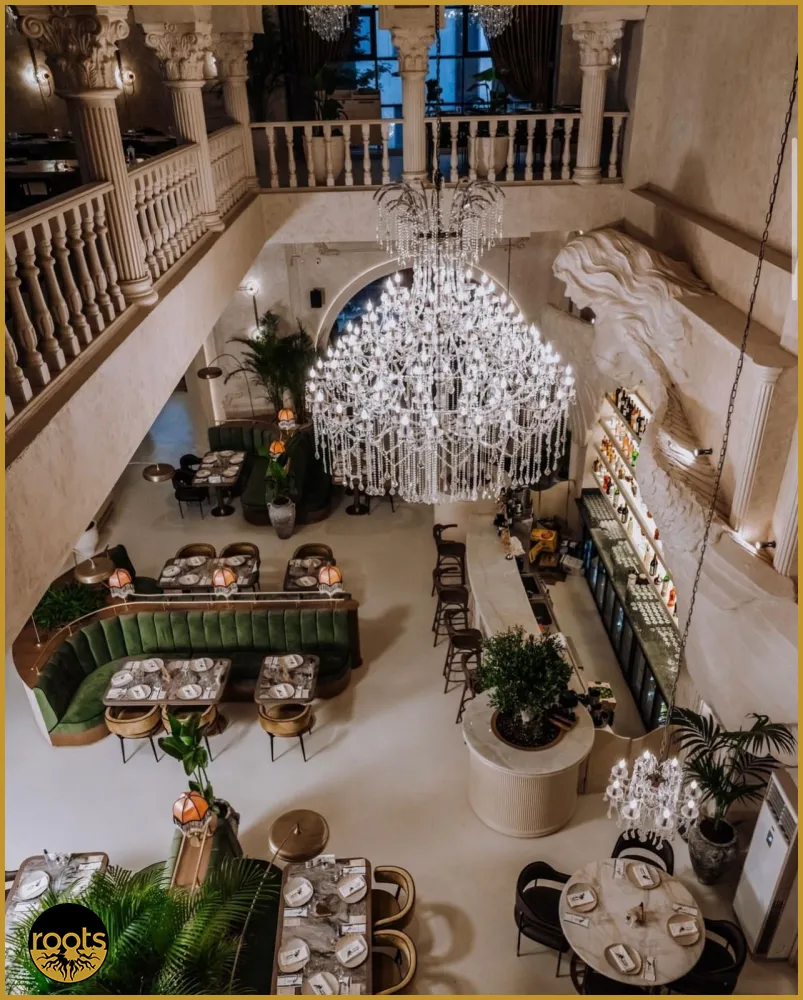
RESTAURANT PROJECT - INTERIOR ARCHITECTURE EXECUTION DESIGN - RESTAURANT PLAN
Bringing your restaurant project to life requires not only serving delicious food but also creating a space that gives your guests an unforgettable experience. At this point, interior architecture execution design and restaurant plan form the cornerstones of your project. This comprehensive guide aims to help you make informed decisions by addressing every detail from your restaurant's concept to its operational efficiency.
What Is Restaurant Project Interior Architecture Execution Design?
Restaurant project interior architecture execution design is a set of detailed projects that meet the aesthetic, functional and operational requirements of a restaurant space. Starting from the initial concept stage, this process covers technical details such as detailed drawings, material selections, lighting plans, furniture layouts, electrical and mechanical infrastructure solutions. The goal is to create both an attractive and comfortable atmosphere for customers and an efficient working area for staff.
What Is a Restaurant Plan For?
The restaurant plan is a roadmap that determines the physical layout, flow and functional areas of the space. This plan fulfills the following main functions:
- Space Optimization: Ensures that the available space is used in the most efficient way, determining critical sections such as seating layout, kitchen area, service areas and storage areas.
- Customer Experience Design: Includes visual and functional arrangements that will improve guests' experiences throughout the process from entering the space to being seated, from ordering to leaving.
- Operational Efficiency: Increases business efficiency by speeding up service flow and facilitating kitchen operations without restricting staff movement areas.
- Reflecting Brand Identity: Allows the creation of an ambiance and decoration suitable for the brand identity and concept of the restaurant.
- Legal Compliance and Safety: Offers a design that complies with legal requirements such as fire safety, emergency exits and hygiene standards.
Who Is This Design and Planning Suitable For?
Restaurant project interior architecture execution design and restaurant plan are ideal for the following groups:
- New Restaurant Investors: Entrepreneurs planning to open a restaurant from scratch and wanting to design their space professionally.
- Renovation of Existing Restaurants: Existing business owners who want to change their concept, improve customer experience or increase operational efficiency.
- Franchise Systems: Franchisors who want to maintain brand standards across all their branches and offer a consistent space experience.
- Those Creating Spaces in the Gastronomy Sector: Professionals planning all kinds of dining venues such as cafes, bistros, fine-dining restaurants and quick-service restaurants.
Which Needs Does It Meet?
This service meets the following main needs of your restaurant project:
- Functional Space Layout: Kitchen efficiency, flow of service areas, comfortable seating areas for customers.
- Aesthetics and Atmosphere: A memorable and inviting decoration and ambiance suited to the restaurant's concept.
- Customer Satisfaction: An environment where guests can feel comfortable and have an enjoyable time.
- Operational Convenience: Arrangements that allow staff to work comfortably and increase service speed.
- Brand Consistency: A space design that reflects the restaurant's identity and values.
- Cost Control: Achieving the best result within budget through material selections and execution details.
In Which Situations Should It Be Preferred?
In your restaurant project, interior architecture execution design and restaurant plan should definitely be preferred in the following situations:
- When Opening a New Restaurant: Planning the venue correctly from the very beginning is critical for long-term success.
- When Renting or Buying an Existing Venue: To determine how suitable the venue is for restaurant use and which renovations will be needed.
- When Making a Concept Change: If you plan to change the identity and customer base of your existing restaurant.
- When You Want to Stand Out in Competition: To design a unique venue that will set you apart from other restaurants.
- When You Want to Solve Operational Problems: To eliminate existing problems such as slow service, narrow corridors and inefficient kitchens.
In What Ways Does It Differ from Its Alternatives?
RESTAURANT PROJECT - INTERIOR ARCHITECTURE EXECUTION DESIGN - RESTAURANT PLAN is far more comprehensive than random decoration or just creating a basic venue plan. Its main differences are as follows:
- Detailed and Applicable Drawings: It does not merely give a general idea; it includes all the technical details required for manufacturing and execution.
- Integration of Functionality and Aesthetics: It aims for the venue to both look beautiful and function flawlessly.
- Customer and Staff Focus: Both the comfort of guests and the efficiency of staff are taken into account.
- Brand Integration: It reflects the restaurant's brand identity and story onto the venue.
- Professional Approach: It is prepared by interior architects who understand the unique dynamics of the gastronomy sector.
What Should Be Considered Before Purchasing?
Paying attention to the following points when receiving this comprehensive service will directly affect the success of your project:
- Physical Characteristics of the Venue: Physical constraints such as the dimensions of the existing space, columns and utility points must be determined in advance.
- Concept and Target Audience: The concept of your restaurant (fine-dining, bistro, fast-food, etc.) and the customer base you are targeting must be clear.
- Budget: The budget allocated for execution design and material selections must be determined, and solutions suitable for this budget should be sought.
- References and Experience: It is important to review the references of the interior architecture office you will receive service from in previous restaurant projects.
- Communication and Terms of Agreement: How communication will be established throughout the design process, the delivery schedule and payment terms must be clearly understood.
Comparison of Different Material Types (Bootstrap Table)
The materials used in restaurant interiors affect both aesthetics and durability. Here is a comparison of some commonly used material types:
| Material Type | Durability | Indoor/Outdoor Use | Cost (General Assessment) | Example Usage Areas |
|---|---|---|---|---|
| Ceramic/Porcelain Tile | High | Indoor and Outdoor | Medium | Floor, Wall, Countertop |
| Natural Stone (Granite, Marble) | High (Granite), Medium-High (Marble) | Indoor and Outdoor (Suitable Type) | High | Floor, Countertop, Decorative Wall |
| Wood (Solid, Veneer) | Medium-High (Properly Treated) | Indoor (Generally) | Medium-High | Floor, Wall Cladding, Furniture, Table |
| Concrete (Shear Concrete, Decorative Concrete) | Very High | Indoor and Outdoor | Low-Medium | Floor, Wall, Countertop, Lighting |
| Metal (Stainless Steel, Iron) | Very High | Indoor and Outdoor | Medium-High | Table Legs, Chair, Lighting, Kitchen Equipment |
| Glass (Tempered, Laminated) | Medium-High | Indoor and Outdoor | Medium | Tabletop, Door, Partition, Decorative Elements |
Frequently Asked Questions (FAQ)
What should be prioritized when creating a restaurant plan?
First of all, customer experience and operational efficiency should be prioritized. Elements such as the flow of the space, service time, the connection between the kitchen and the service area, and customer comfort are designed by integrating them with the concept.
What are the most effective design strategies for a small restaurant space?
In small spaces, multifunctional furniture, making the space look more spacious with lighting techniques, utilizing vertical areas (such as shelving systems) and open-plan arrangements can be effective. Additionally, it is possible to create more seating capacity by optimizing the distance between tables.
What are the main elements that determine the atmosphere of a restaurant?
The most important elements that determine the atmosphere are lighting, color palette, material selection, furniture selection and sound acoustics. These elements being in harmony with the restaurant's concept plays a critical role in creating the desired ambiance.
Why is kitchen design so important for the overall success of a restaurant?
The kitchen is the operational heart of the restaurant. An effective kitchen design shortens the preparation time of meals, increases staff efficiency, facilitates maintaining hygiene standards and reduces the error rate. This directly reflects on customer satisfaction and business profitability.
What information should I have ready when requesting a quote?
When requesting a quote, clearly specifying the restaurant's concept, target audience, current condition of the space (floor plan or measurements, if available), your expectations (how many seats, private rooms, etc.) and your budget range will ensure that you are presented with the most suitable quote.











































































