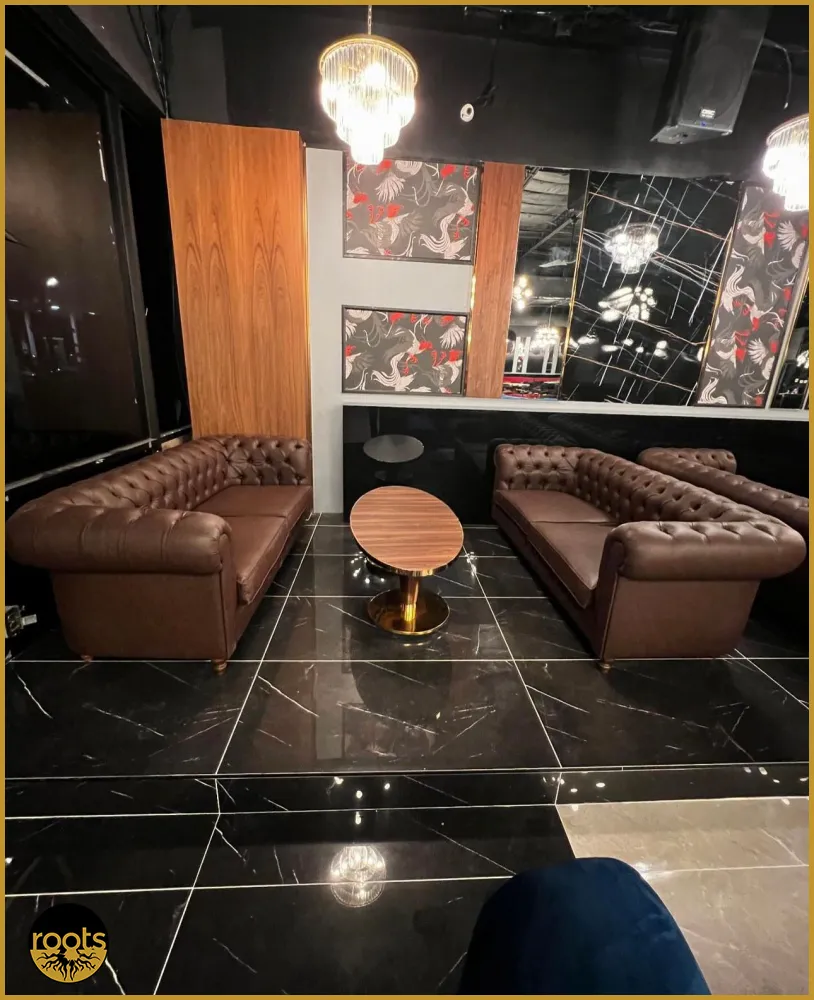
RESTAURANT PROJECT - INTERIOR ARCHITECTURE EXECUTION DESIGN - RESTAURANT PLAN: Professional Planning Guide
Opening a restaurant business or renovating an existing venue is not only an aesthetic choice but also a complex engineering and operational planning process. While the restaurant project establishes the visual identity of the venue, the interior architecture execution design determines how this visuality will be technically realized. A good restaurant plan is the fundamental document that establishes the delicate balance between customer comfort and operational efficiency.
What Is Restaurant Execution Design and What Does It Cover?
Execution design is the transformation of ideas at the concept stage into buildable technical data. In this process, not only where the tables will be placed but also vital details such as the load distribution of the electrical installation, the flow rate of the ventilation ducts, the slope of the wastewater drains and compliance with fire regulations are resolved. A professional execution project should include the following components:
- Layout Plan: Optimization of customer circulation and service routes.
- Lighting Design: Balancing ambient lighting with functional working light.
- Kitchen and Bar Layout: Arrangement of industrial equipment in accordance with ergonomic and hygiene rules.
- Material Selections: Wear resistance and cleanability of surfaces.
Who Is This Project Suitable For?
Comprehensive interior architecture planning is essential for entrepreneurs aiming to establish a new business, restaurant chains wishing to expand with branches, and existing business owners experiencing loss of efficiency. Especially in locations where square meter costs are high, every investor who wants to ensure space efficiency needs a professional plan.
Meeting Operational Needs
A restaurant plan should organize not only the area where guests sit but also the kitchen, storage and staff areas, referred to as the "back of house," in the most efficient way. A correctly designed kitchen layout directly increases service speed and contributes to customer satisfaction. At the same time, thanks to acoustic planning, high noise pollution is prevented, and guests are encouraged to spend longer and better-quality time in the venue.
Material Comparison and Selection Criteria
In restaurant design, material selection directly affects both cost and the lifespan of the venue. The following table evaluates commonly preferred material types from different perspectives:
| Material Type | Durability | Area of Use | Cost Axis |
|---|---|---|---|
| Natural Stone / Marble | High (But sensitive to stains) | Bar counters, entrance floors | High |
| Porcelain Ceramic | Very High | Kitchen, general flooring, wet areas | Medium - High |
| Solid Wood | Medium (Requires maintenance) | Table tops, decorative panels | Medium - High |
| Industrial Metal | Very High | Open kitchens, shelving systems | Medium |
| Laminate / MDF Lam | Medium - Low | Cabinet interiors, low-traffic areas | Economical |
Points to Consider Before Purchasing and Starting the Project
Considering the following points before receiving a design service or starting an execution project will minimize your investment risk:
- License and Regulatory Compliance: Whether the selected venue complies with municipal and fire department regulations should be analyzed in advance.
- Infrastructure Capacity: The adequacy of the building's electrical power and chimney structure for a restaurant kitchen should be checked.
- Budget Planning: An allowance should be reserved not only for design but also for hidden costs during the execution phase (plumbing renovation, etc.).
- Circulation Analysis: It should be ensured that the moment waiters exit the kitchen and the routes of customers going to the restroom do not conflict.
What Is Its Difference from Alternative Approaches?
The most fundamental difference between a standard decoration service and professional interior architecture execution design is "technical solvability." While decorating a space with only decorative objects offers a temporary solution, an execution project forms the skeletal structure of the space. These projects minimize potential future installation failures and even preserve the resale value of the space.
Frequently Asked Questions
1. How long does it take to complete a restaurant plan drawing?
Depending on the size of the space and the complexity of the concept, preparing technical drawings and execution details generally takes between 2 and 6 weeks.
2. Can a new design be created while preserving an existing kitchen?
Yes, if the existing infrastructure works efficiently, the project can be built around this area. However, revisions may be recommended to ensure compliance with modern workflow.
3. How are execution project costs determined?
Costs generally vary depending on the square meterage of the area to be designed, the level of detail of the design, and the scope of the requested engineering disciplines (mechanical, electrical, structural).
In conclusion, the foundation of a successful restaurant business is laid with an interior architecture execution design perfectly planned on paper. The right choices made during this process will return as energy savings, operational speed, and brand prestige throughout the life of the business.











































































