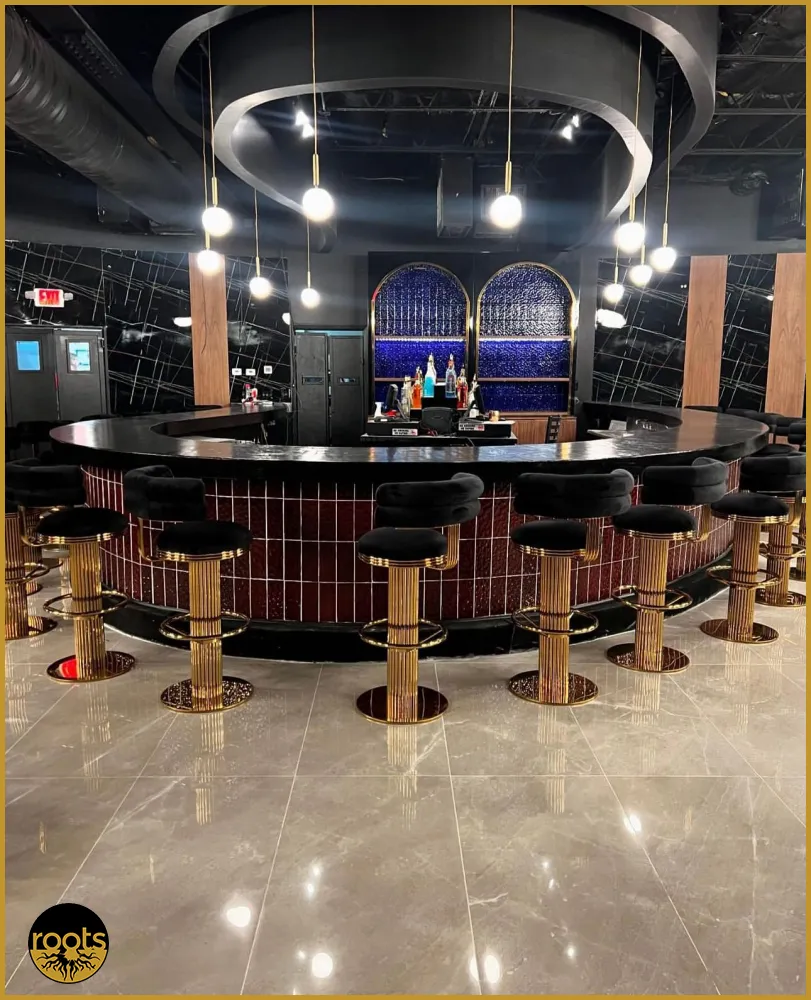
This content has been prepared to support your decision-making process regarding the interior architecture implementation design and restaurant plan of your restaurant project.
Restaurant Projects: Comprehensive Interior Architecture Implementation Design and Restaurant Plan
Establishing a restaurant business requires not only offering delicious food but also providing your guests with a pleasant atmosphere and a flawless experience. At this point, the interior architecture implementation design carried out within the scope of the restaurant project and the detailed restaurant plan prepared play a critical role in the success of the venue. Correct planning and design both increase operational efficiency and maximize customer satisfaction.
What Is Restaurant Project Interior Architecture Implementation Design?
Restaurant project interior architecture implementation design covers the process of creating an aesthetic, functional and safe venue in accordance with a restaurant's concept. This process includes a wide range, from the arrangement of customer areas to kitchen layout, from material selection to lighting planning. The main purpose is to ensure that the venue is both visually attractive and allows business operations to run smoothly.
Why Is the Restaurant Plan Important?
The restaurant plan is a detailed roadmap that determines the physical layout and functioning of the venue. This plan includes every detail, from the ground floor layout to service routes, from seating arrangement to emergency exits. A well-prepared restaurant plan;
- Optimizes customer flow.
- Makes staff movement areas efficient.
- Strengthens the collaboration between kitchen and service areas.
- Ensures compliance with legal requirements.
- Determines the overall atmosphere and comfort of the venue.
Who Is This Design and Plan Suitable For?
Restaurant project interior architecture implementation design and restaurant plan are of great importance in the following situations or for the following groups:
- Those Opening a New Restaurant: To create the layout and aesthetics most suitable for your concept when designing a venue from scratch.
- Those Renovating Their Existing Restaurant: For operators who want to increase the efficiency of their venue, improve the customer experience or update their concept.
- Businesses with Different Concepts: Offers special solutions for all kinds of food and beverage venues such as fine dining, cafe, fast-food, bistro, themed restaurants.
- Those Seeking Expert Support in Architecture and Design: Ideal for those who want to minimize the margin of error by getting professional help in this field.
Which Needs Does It Meet?
A professional interior architecture implementation design and restaurant plan meets many fundamental needs:
- Aesthetic and Concept Harmony: Creates an atmosphere that reflects your restaurant's identity and appeals to your target audience.
- Operational Efficiency: Accelerates workflow and reduces costs through the smart arrangement of kitchen, service and customer areas.
- Customer Experience: Offers your guests an unforgettable experience with comfortable seating areas, appropriate lighting and functional space arrangement.
- Legal Compliance: Offers designs compliant with fire safety, accessibility standards and hygiene regulations.
- Cost Optimization: Provides long-term savings with the right material selection and efficient planning.
In Which Situations Should It Be Preferred?
This type of service should especially be preferred in the following situations:
- When you want to fully use the potential of the venue.
- When you want to increase in-house efficiency and enable staff to work more comfortably.
- When you want to create a unique and comfortable atmosphere for your customers.
- When you want to make long-term investments by using your budget correctly.
- When you want to stand out in the competitive market.
What should be considered during the planning phase of a restaurant project?
The most important elements to consider during the planning phase of a restaurant project are as follows:
- Concept Determination: The type of restaurant (fine dining, cafe, fast-food, etc.) and the target audience must be clearly defined.
- Location Analysis: The advantages and disadvantages of the location where the venue is situated must be evaluated.
- Legal Requirements: All legal regulations such as licensing, hygiene, and fire safety must be taken into consideration.
- Budget Planning: All design, construction, renovation, and equipment expenses must be budgeted in detail.
- Operational Flow: The entire workflow, from customer entry and exit to kitchen operations, must be simulated.
How does the interior architecture implementation design process work?
The interior architecture implementation design process generally includes the following steps:
- Needs Analysis and Survey: Measurements of the existing space are taken, and expectations are discussed with the business owner.
- Concept Development: The design language, color palette, and style are determined in accordance with the restaurant's concept.
- Creating the Layout Plan: Customer areas, kitchen, service areas, restrooms, etc. are placed functionally.
- 3D Modeling and Visualization: 3D drawings and renders are prepared to materialize the design.
- Technical Detail Drawings: Implementation projects such as electrical, lighting, plumbing, and furniture details are prepared.
- Material and Color Selection: Floor, wall, and ceiling coverings and furniture materials that will support the atmosphere of the venue are selected.
- Lighting Planning: General lighting, task lighting, and ambient lighting are detailed.
How does the restaurant plan affect customer comfort?
An effective restaurant plan directly affects customer comfort. A good plan creates an arrangement where guests can move comfortably, sufficient space is left between tables, and service staff can serve comfortably. Lighting, acoustic arrangements, and the ergonomics of seating groups are also elements that improve the customer experience. For example, acoustic panels that absorb noise offer a calm dining experience, while properly placed tables provide more privacy for private conversations.
In What Ways Does It Differ from Alternatives?
This comprehensive restaurant project interior architecture implementation design and restaurant plan service offers more than standard architectural drawings or individual design solutions. Its distinguishing aspects are as follows:
- Holistic Approach: It focuses not only on aesthetics but also on the operational efficiency and long-term success of the business.
- Detailed Planning: Every corner of the venue is considered down to the finest detail in terms of functionality and customer experience.
- Concept-Focused Design: It offers customized solutions by placing the restaurant's unique identity and target audience at the center.
- Professional Experience: It is prepared by professionals who know the dynamics and challenges of the gastronomy sector.
- Guarantee of Legal Compliance: Compliance with all relevant regulations and standards is a fundamental part of the design.
What Should Be Considered Before Purchasing?
Before receiving a restaurant project interior architecture implementation design and restaurant plan service, it is important to pay attention to the following points:
- The Designer's Experience: Review previous restaurant projects and the portfolio.
- References: If possible, obtain references from previous clients.
- Contract Details: Make a contract that clarifies details such as the scope of service, delivery times, and revision rights.
- Budget Determination: Create a clear budget for design and implementation and take care to proceed within this budget.
- Communication: Make sure you establish an open and regular communication channel with the designer or architecture office.
- Clarity of Your Needs: Clearly define your own concept, target audience, and priorities.
Material Selection and Features
The durability, cleanability, and aesthetic appearance of the materials used in restaurants are of great importance. Here is a comparison of some common material types:
| Material Type | Durability | Indoor/Outdoor Use | Cost (Overall Assessment) | Features |
|---|---|---|---|---|
| Natural Stone (Granite, Marble) | Very High | Both Indoor and Outdoor | High | Aesthetic, prestigious, maintenance can be difficult. |
| Ceramic and Porcelain Tile | High | Both Indoor and Outdoor | Medium | Durable, easy to clean, available in a wide variety of patterns and colors. |
| Wood (Solid, Veneer) | Medium - High (Depending on Application) | Generally Indoor (Outdoor with Special Treatments) | Medium - High | Creates a warm and natural atmosphere, care should be taken against scratches. |
| Laminate and Vinyl | Medium | Generally Indoor | Low - Medium | Economical, easy to clean, offers a wide range of patterns. |
| Concrete (Decorative) | High | Both Indoor and Outdoor | Medium | Modern and industrial look, durable. |
| Metal (Stainless Steel, Iron) | Very High | Both Indoor and Outdoor | Medium - High | Durable, hygienic (especially in kitchens), modern look. |
Material selection should be made considering the restaurant's overall concept, budget and intensity of use. For example, in high-traffic areas and places where hygiene is critical, such as kitchens, durable and easy-to-clean materials should be preferred.
An Assessment in Place of a Conclusion
A successful restaurant business goes beyond good food and offers its guests a flawless experience. Restaurant project interior architecture implementation design and a detailed restaurant plan form the foundation of this experience. Optimizing every detail of your space, both aesthetically and functionally, will increase customer satisfaction while also strengthening your operational processes. To get a return on your investment and give your target audience unforgettable moments, it is important to evaluate these critical steps from a professional perspective.











































































