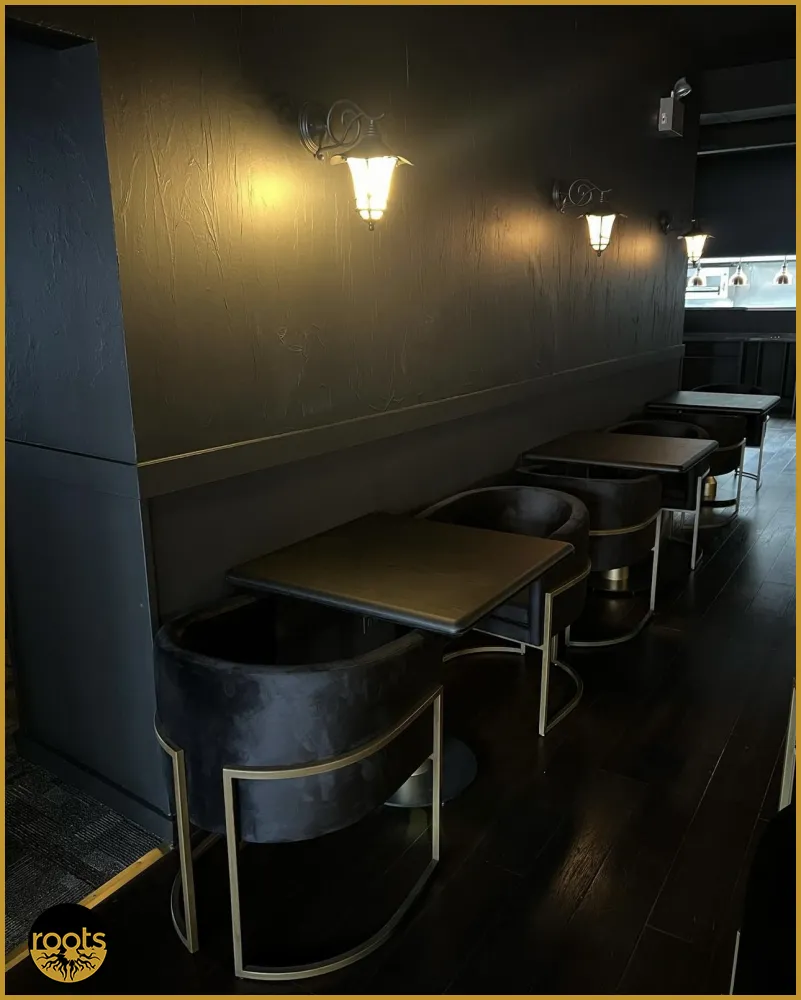
Scope of the Restaurant Project and Interior Architecture Implementation Design
Opening a restaurant business or renovating an existing venue is not only an aesthetic choice but also a complex engineering and planning process. A restaurant project is the holistic consideration of every detail, from the concept of the venue to kitchen operations, from customer circulation to technical infrastructure. Interior architecture implementation design, on the other hand, is the technical guide that ensures these dreams are realized flawlessly during the construction phase.
A professional restaurant plan directly affects the profitability of the business. A correctly planned venue enables staff to move faster, increases kitchen efficiency and raises the quality of the time customers spend in the venue. This design process includes not only decorative elements but also critical technical details such as electrical, mechanical, ventilation and plumbing systems.
Who Is Professional Implementation Design Suitable For?
This service appeals to a wide audience, from entrepreneurs taking their first step into the sector to chain brand owners. A professional interior architecture implementation project should especially be preferred in the following cases:
- New Business Owners: Those who want a planning that complies with the licensing processes of the venue and meets legal standards.
- Those Renovating Their Existing Business: Professionals who want to eliminate operational disruptions and refresh their brand image.
- Boutique Restaurant and Cafe Investors: Those who want to use limited space with maximum efficiency and create an original concept.
- Corporate Chains: Brands aiming to maintain standard implementation quality across all their branches.
Strategic Approaches in Restaurant Planning
The success of a restaurant lies in the balance between the kitchen (back of house) and the service area (front of house). An ergonomic kitchen layout can increase service speed by up to 30% by restricting unnecessary movements of the chefs. Likewise, centimeter-level calculations in the customer seating arrangement both optimize capacity and preserve the sense of privacy.
During the implementation design phase, factors such as lighting scenarios, acoustic comfort, air conditioning capacity and compliance with fire regulations are incorporated into the technical drawings. This prevents surprise costs and time losses that may occur during the construction phase.
Material Selection and Comparative Analysis
The materials to be used in restaurants must respond to heavy usage traffic, hygiene standards and aesthetic expectations. The following table compares the basic characteristics of the material types frequently preferred in projects:
| Material Type | Durability | Area of Use | Cost Axis | Maintenance Need |
|---|---|---|---|---|
| Natural Stone (Marble/Granite) | High (Sensitive to scratching) | Bar counter, Table tops | High | Requires regular sealing |
| Stainless Steel | Very High | Industrial Kitchen, Hygiene areas | Medium - High | Easy to clean |
| Laminate / Compact Panel | Medium - High | Furniture, Wet area partitions | Economical | Low |
| Industrial Ceramic | Very High | Floor, Kitchen walls | Medium | Very Low |
Points to Consider Before Purchasing
Before receiving an interior architecture implementation design service, the following points should be emphasized to guarantee the success of the project:
- Technical Drawing Details: It must be ensured that the project includes not only visual (3D) but also manufacturing-oriented detail drawings (electrical tray, installation outlets, etc.).
- Kitchen Technology Compatibility: The dimensions and energy requirements of the selected kitchen equipment must match the architectural plan exactly.
- Legal Regulations: The project's compliance with municipality, fire department and health directorate regulations must be checked in advance.
- Budget Planning: The design must realistically match the material and labor costs during the implementation phase.
Frequently Asked Questions
Question: Does a good restaurant plan mean just visuals?
Answer: No. Visuals are only the visible part of the iceberg. A good plan is the correct setup of operational elements such as customer flow, staff efficiency, ventilation power and acoustic balance.
Question: How long does the implementation design process take?
Answer: Depending on the size of the space and the complexity of the concept, it generally ranges between 4 and 8 weeks. This process begins with an on-site survey and ends with the delivery of all technical sheets.
Question: Why is kitchen planning so critical?
Answer: The kitchen is the heart of a restaurant. A poorly planned kitchen causes food waste, slow service and staff fatigue. A design based on the workflow chart (preparation, cooking, dishwashing line) reduces costs.
Final Decision Process
Investing in a professional interior architecture implementation design actually means purchasing in advance the mistakes that may occur during the construction and operation process. When starting out with correct planning, the operating costs of the space are optimized and brand value increases. It is a great advantage for the preferred design to be flexible enough to support not only today's needs but also the business's future growth potential or menu changes.
A good restaurant project is an engineering marvel that combines aesthetic perception with technical discipline, focuses on customer experience and aims for operational perfection. In this process, approaches that prioritize functionality over aesthetics, yet do not neglect the spirit of the space, always bring long-term success.











































































