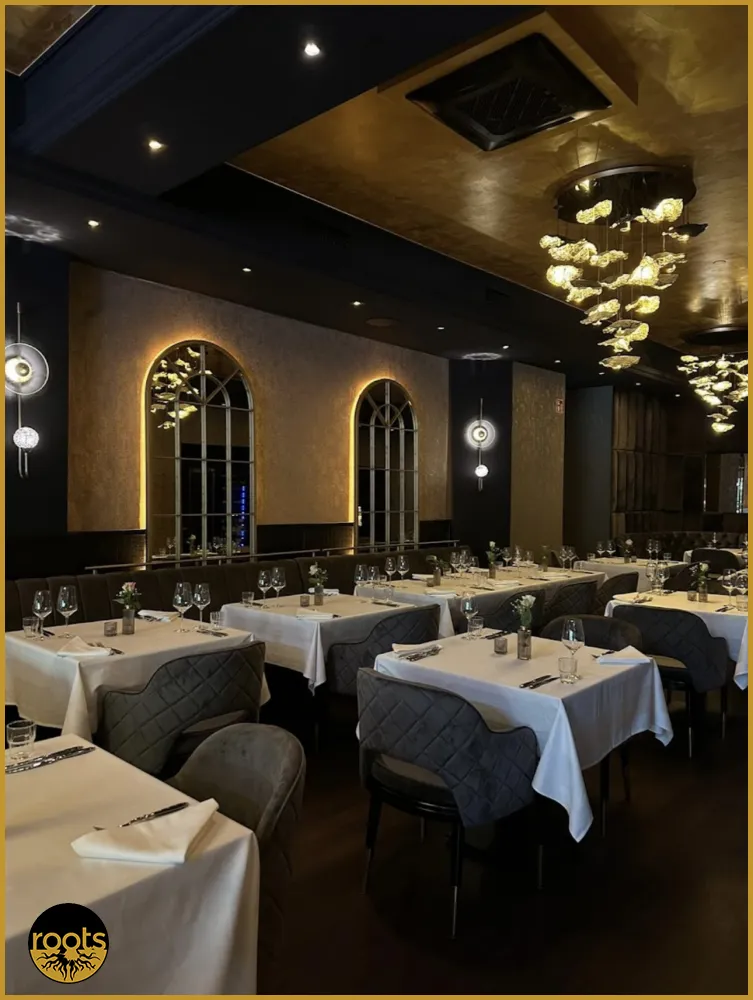
RESTAURANT PROJECT - INTERIOR ARCHITECTURE IMPLEMENTATION DESIGN - RESTAURANT PLAN
The success of a restaurant is directly related not only to the flavors it offers but also to the atmosphere it presents to its guests. A successful restaurant experience increases customer satisfaction, builds brand loyalty and therefore raises the profitability of the business. At this point, the interior architecture implementation design carried out within the scope of the restaurant project and the restaurant plan prepared play a vital role.
In this comprehensive guide, we will examine in depth the interior architecture implementation design and restaurant plan process of a restaurant project and present all the essential information that will support the decision-making processes of potential investors and business owners.
What Is Restaurant Project Interior Architecture Implementation Design?
Restaurant project interior architecture implementation design is the process of making a restaurant space functional, aesthetic and user-friendly in line with its concept. This design is not limited to decoration only; it also covers the flow of the space, material selections, lighting solutions, furniture layout, the organization of kitchen and service areas, sound insulation and even ventilation systems.
Implementation design aims to increase the efficiency of employees and to ensure that guests have a pleasant experience by creating the physical identity of a restaurant. During this process, detailed documents such as architectural drawings, technical details, material lists and visualizations are prepared.
What Is a Restaurant Plan For?
The restaurant plan is the roadmap that forms the foundation of the project. Scaling the space, determining functional areas (kitchen, service area, seating areas, restrooms, storage areas, etc.), organizing customer circulation and planning the necessary technical infrastructure (electricity, water, ventilation) are within this scope. A well-prepared restaurant plan provides the following benefits:
- Space Optimization: It allows every square meter to be used in the most efficient way.
- Functionality: It enables the kitchen team to work quickly and effectively and the service staff to move easily.
- Customer Experience: It increases customer satisfaction by creating a comfortable and pleasant atmosphere.
- Cost Control: It minimizes unforeseen additional costs in construction and decoration processes.
- Legal Compliance: It helps ensure compliance with the necessary regulations and standards.
Who Is This Service Suitable For?
The restaurant project interior architecture implementation design and restaurant plan service is ideal for the following groups:
- Entrepreneurs Opening a New Restaurant: Those who want to design their spaces professionally starting from scratch.
- Those Who Want to Renovate Their Existing Restaurant: Those who want to adapt to current trends, increase space efficiency or improve the customer experience.
- Chain Restaurant Brands: Those who want to create a consistent brand identity and maintain standards across different branches.
- Operators Who Value Design and Functionality: Those who prioritize the aesthetic and practical use of their spaces.
Which Needs Does It Meet?
This service meets a range of critical needs of restaurant businesses:
- Concept Development: Creating a visual and functional concept suited to the restaurant's identity, target audience and menu.
- Space Analysis and Planning: Evaluating the potential of the existing area and creating the most suitable layout plan.
- Functional Area Design: Efficiently designing the kitchen, preparation areas, service corridors, bar, seating arrangements and restrooms.
- Creating Aesthetics and Atmosphere: Creating the desired atmosphere with color palettes, material selections, lighting and decorative elements.
- Technical Detailing: Projecting the technical infrastructure such as electricity, water, ventilation and sound systems with detailed drawings.
- Material and Equipment Selection: Material and equipment recommendations focused on durability, aesthetics and cost.
In Which Situations Should It Be Preferred?
Restaurant project interior architecture implementation design and restaurant plan should especially be preferred in the following situations:
- When opening a new restaurant: Correct planning and design reduce start-up costs and potential mistakes.
- When modernizing an existing restaurant: To ensure the space adapts to current expectations and trends.
- When customer satisfaction is low: If the atmosphere or functionality of the space is insufficient.
- When efficiency problems are experienced: If there are disruptions in the kitchen or service flow.
- When wanting to strengthen the brand image: To ensure the space reflects the brand's values and quality.
In What Ways Does It Differ From Its Alternatives?
Although there are different service models on the market, a comprehensive RESTAURANT PROJECT - INTERIOR ARCHITECTURE IMPLEMENTATION DESIGN - RESTAURANT PLAN stands out with the following aspects:
- Holistic Approach: It addresses not only aesthetics but also functionality, efficiency and customer experience as a whole.
- Detailed Technical Drawings: It provides technical details that construction teams and suppliers can easily understand, minimizing the margin of error during the implementation phase.
- Customer Focus: It is an approach in which the space is designed by analyzing the expectations and behaviors of the target audience.
- Cost Effectiveness: In the long term, thanks to correct planning, it helps reduce costs through operational efficiency and customer satisfaction.
What Should Be Considered Before Purchasing?
The important points to consider before receiving an interior architecture and restaurant planning service are as follows:
- Portfolio Review: Review the designer's or company's previous restaurant projects to become familiar with their style and expertise.
- Reference Check: Contact their previous clients to get information about the quality of service.
- Scope: Clearly find out what the service offered covers (concept, drawings, material recommendations, technical details, etc.).
- Communication and Understanding: It is important how well the designer understands your vision and how responsive they are to your requests.
- Technical Knowledge: It is a great advantage for them to have technical knowledge on subjects such as kitchen equipment, ventilation systems and legal regulations.
- Cost and Timeline: Make a clear agreement on the project cost, payment terms and completion time.
What to Consider in Material Selection
The selection of materials to be used in restaurant spaces is of critical importance in terms of both aesthetics and functionality. Factors such as durability, cleanability, hygiene and cost should be taken into consideration. A comparison of different material types is given below:
| Material Type | Durability | Interior/Exterior Architectural Use | Cost | Advantages | Disadvantages |
|---|---|---|---|---|---|
| Ceramic and Porcelain Tile | High | Interior and Exterior | Medium | Easy to clean, stain-resistant, scratch-resistant. | Joints may become dirty over time. |
| Natural Stone (Marble, Granite, etc.) | High | Interior and Exterior | High | Offers an aesthetic and luxurious appearance, durable. | Its porous structure may stain, requires special maintenance. |
| Wood (Solid, Veneer, Composite) | Medium - High (depending on type and application) | Interior | Medium - High | Creates a warm and natural atmosphere. | May be sensitive to moisture and scratches (with appropriate varnish/protection). |
| Concrete and Microcement | High | Interior and Exterior | Medium | Provides a modern, industrial and minimalist appearance. Durable. | Its application requires expertise, may be porous. |
| Metal (Stainless Steel, Aluminum, etc.) | High | Interior and Exterior | Medium - High | Hygienic, durable, offers a modern appearance. Widely used in kitchen equipment. | Can be scratched, may show fingerprints. |
| Glass (Tempered, Laminated, etc.) | Medium - High (depending on type) | Interior and Exterior | Medium | Makes the space feel spacious, reflects light. Can be used in different applications (countertop, partition, tabletop). | There may be a risk of breakage (minimized with safety glass), may show fingerprints. |
Frequently Asked Questions
Why is interior architecture implementation design important for a restaurant project?
Interior architecture implementation design not only ensures that your restaurant is visually appealing, but also creates a space where your guests will be comfortable, your employees can work efficiently, and all operations run smoothly. The right design directly affects the customer experience and strengthens your brand identity.
What is considered when preparing a restaurant plan?
When preparing a restaurant plan, many factors are taken into account, such as the physical boundaries of the space, the needs of the target audience, menu variety, service speed, hygiene standards and legal requirements. Critical elements such as kitchen layout, service flow, seating arrangements, storage areas and emergency exits are planned in detail.
What is the difference between implementation design and an architectural project?
An architectural project is a more technical work covering the general structure of the building, its load-bearing systems and its exterior facade. Interior architecture implementation design, on the other hand, is built upon the architectural project and determines all the details inside the space, material selections, furniture, lighting and aesthetic elements. In other words, if the architectural project is a skeleton, interior architecture implementation design is the process of cladding that skeleton and making it functional.
Does the design process change depending on the size of the restaurant?
Yes, the size of the restaurant affects the design process and its costs. There will be differences between the design for a small cafe and the design for a large fine-dining restaurant, both in terms of scope and level of detail. However, professional planning and design are necessary for spaces of every size.
Why is kitchen design so critical?
The kitchen is the heart of a restaurant. Kitchen design directly affects the speed of meal preparation, quality, hygiene and the efficiency of kitchen staff. A correct kitchen plan optimizes the workflow, reducing unnecessary movements and positioning storage and preparation areas correctly.











































































