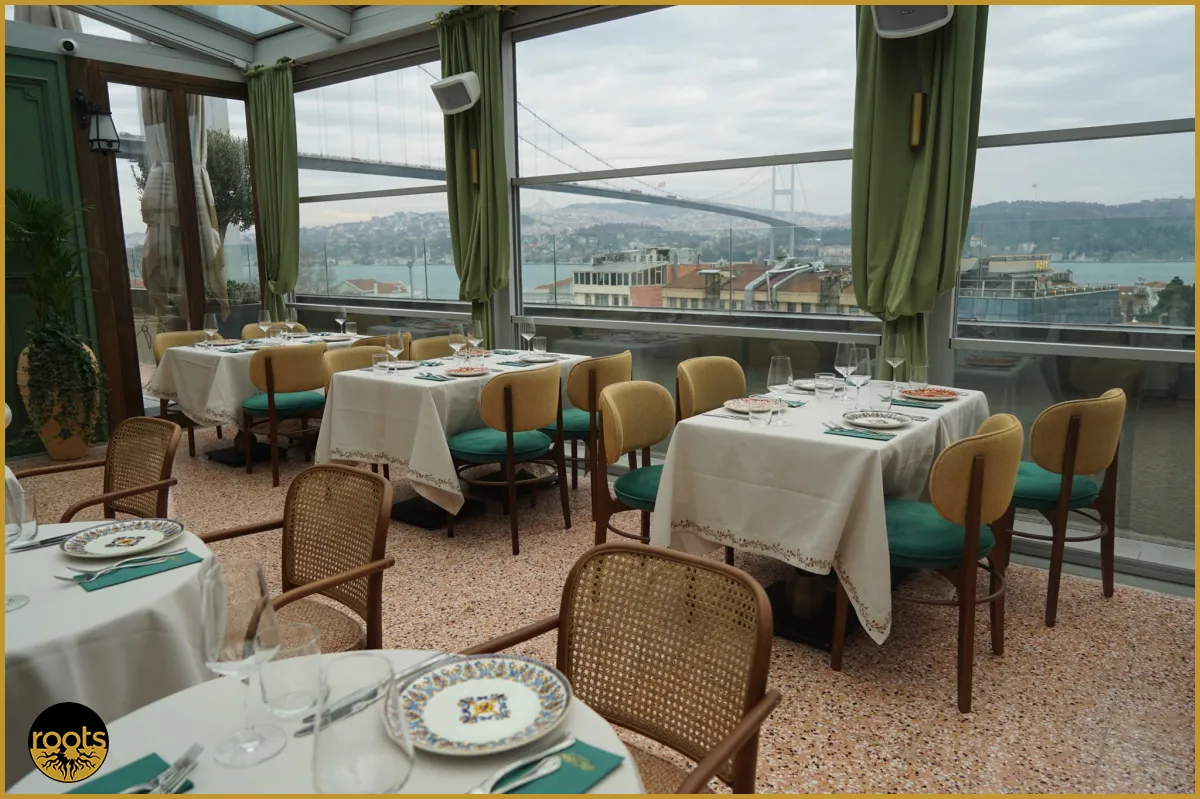
Aesthetics and Functionality in Restaurant Table Chair Models
One of the most fundamental elements that shape the identity of a food and beverage business is the furniture selection that reflects the spirit of the venue. Restaurant table chair models are not merely items that customers sit on, but also strategic investment tools that symbolize the business's understanding of comfort and service quality. A correctly chosen combination can extend the time customers spend in the venue and increase the likelihood of them returning.
Model Selection Suitable for the Venue Concept
Every restaurant has a different target audience and atmosphere. Therefore, when selecting furniture, the architectural structure of the venue and the segment it appeals to should be taken into consideration:
- Fine Dining Restaurants: In these venues, comfortable chairs with high backs and fabric or leather upholstery and solid wood tables are generally preferred. The aim is to offer guests a long-lasting and prestigious experience.
- Fast-Food and Cafes: In these areas with fast circulation, more minimalist models that are easy to clean and generally produced from metal or polypropylene materials stand out.
- Bistro and Brasserie: For a more intimate and dynamic atmosphere, marble-topped tables and thonet-style chairs are frequently preferred.
Comparison by Material Types
The durability of the material in furniture selection directly affects maintenance costs and the product's service life. You can decide by examining the table below according to whether your business is indoor or outdoor:
| Material Type | Durability | Area of Use | Cost Axis |
|---|---|---|---|
| Solid Wood | High (Requires maintenance) | Indoor | High |
| Metal / Iron | Very High | Indoor and Outdoor | Medium - High |
| Compact Laminate | High (Water resistant) | Indoor and Outdoor | Medium |
| Polypropylene (Plastic) | Medium - High | Outdoor / Garden | Economical |
| Marble / Travertine | Very High (Heavy) | Indoor and Outdoor | High |
Things to Consider Before Purchasing
Evaluating the following critical points before ordering restaurant chair tables for your business provides cost and operational convenience in the long term:
- Ergonomics: The difference between the seat height of the chairs and the table height should be an average of 28-30 cm.
- Stackability: If cleaning or event organizations are frequently held in your venue, the chairs being stackable (stackable) is a great storage advantage.
- Weight and Mobility: Tables must be easily movable on the floor while also remaining stable. A wobbling table directly reduces customer satisfaction.
- Fabric Selection: In upholstered products, commercial fabrics that are easy to wipe clean, stain-resistant and have high abrasion resistance (Martindale test) should be preferred.
Why Should Commercial Quality Products Be Preferred?
The main difference between household furniture and restaurant-type furniture is "durability tests." While a home chair is used an average of 2-3 times a day, a restaurant chair is used 10-20 times a day by users of different weights. Commercial-grade products have a reinforced frame structure and connection points designed to withstand this intensive traffic. Although this may seem like a higher cost in the short term, it provides savings in the long term by reducing the frequency of furniture renewal.
Frequently Asked Questions
1. Which table top is more suitable for outdoor use?
For outdoor areas, compact laminate, iroko wood or aluminum tops that are resistant to sunlight, rain and temperature changes should be preferred.
2. How many centimeters should a standard restaurant table be?
Two-person square tables are generally designed in 60x60 cm or 70x70 cm, while four-person tables are designed in 70x110 cm or 80x120 cm dimensions. Table height is standard at around 75 cm.
3. How should color preference be in chair selection?
While choosing colors compatible with your corporate identity, medium and dark tones or patterned textures that will show dirt less under intensive use provide operational convenience.
4. What should be done to prevent scratching the floor?
All chair and table legs must have glides suitable for the floor (felt for parquet, plastic for marble) and these must be checked periodically.
In conclusion, when making a restaurant table chair selection, focusing not only on appearance but also on material quality, ease of cleaning and the customer circulation of the venue is critical for business success. When making your investment, be sure to inquire about the warranty periods of the products and spare part (leg glide, screw, etc.) availability.











































































