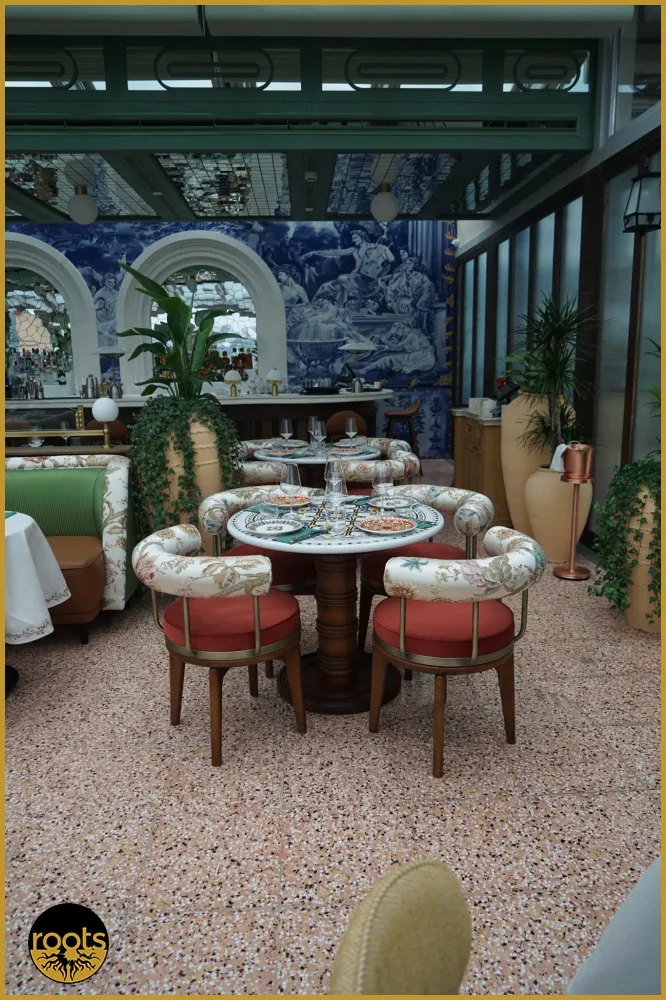
Functionality and Aesthetics in Restaurant Table and Chair Models
The success of a restaurant is directly related not only to the quality of the dishes served but also to the atmosphere it offers its guests. Restaurant table and chair models are the most fundamental elements that determine the identity of a venue. The right furniture choice affects the time customers spend in the venue, their perception of comfort and even the brand value of the business. Furniture to be used in a commercial space, unlike household products, must be resistant to high turnover and intensive use.
Why Is Choosing the Right Model Important?
For restaurant owners, choosing tables and chairs is not only a decoration decision but also an operational efficiency decision. For example, in a fast-food-oriented business, more dynamic and hard-lined furniture is preferred to target customer turnover, while in à la carte restaurants, ergonomic and soft-textured chairs that guests can sit on comfortably for a long time come to the fore. The selected models must be compatible with the square footage of the venue, must not restrict the movement area of the waiters and must optimize capacity.
Comparison by Material Types and Areas of Use
The type of material used in restaurant furniture determines the lifespan of the product and its maintenance costs. While wooden and upholstered products are generally preferred indoors, metal, plastic or compact materials resistant to weather conditions should be preferred outdoors.
| Material Type | Durability | Area of Use | Cost Axis |
|---|---|---|---|
| Solid Wood | High (Requires maintenance) | Indoor / Classic / Rustic | High |
| Metal / Iron | Very High | Indoor and Outdoor / Industrial | Medium - High |
| Compact Laminate | Very High (Water resistant) | Outdoor / High Turnover | Medium |
| Werzalit | Medium - High | Cafeteria / Garden / School | Economical |
| Polypropylene (Plastic) | High (Lightweight) | Outdoor / Poolside | Economical |
Key Criteria to Consider Before Purchasing
Before ordering tables and chairs, focusing only on visual appeal can lead to operational difficulties in the future. Here are the critical points you should evaluate during the decision-making process:
- Ergonomics: The difference between the height of the table and the seat height of the chair (usually 28-30 cm) must be maintained for ideal comfort.
- Ease of Cleaning: In a restaurant environment, stain-resistant fabrics or easily wipeable surfaces (laminate, metal, high-quality polished wood) should be preferred against spills and soiling.
- Stackability: If events are held in your venue or if you need to bring outdoor furniture inside in the evenings, chairs being stackable is a great advantage.
- Floor Compatibility: High-quality glides on the tips of the chair legs prevent your flooring (parquet, marble, etc.) from being scratched and reduce noise pollution.
- Weight Balance: Furniture should be heavy enough not to tip over in the wind but light enough to be pulled during cleaning.
Differences Between Alternatives
Although there are many restaurant chairs and tables options on the market, the most important feature that distinguishes products from each other is the joints and the quality of the polish. Although mass-produced plastic chairs are advantageous in terms of cost, customized wooden or metal designs add a unique character to your business. Cast-leg tables are a better alternative to standard four-legged tables, especially in venues with uneven floors, as they minimize the wobbling problem.
Frequently Asked Questions
1. How many-person tables should I choose for my restaurant?
In general, having 60% two-person, 30% four-person and 10% group tables in businesses provides flexibility. The fact that the tables are connectable makes group reservations easier.
2. Which table top is more durable for outdoor use?
For areas exposed to direct sunlight and rain outdoors, compact laminate or iroko wood tops are the most durable options. Although Werzalit tops are economical, they can deform at the edges under prolonged excessive humidity.
3. What should be considered when choosing chair fabric?
In commercial areas, fabrics with a high "Martindale" abrasion test result should be chosen. Faux leather provides easy cleaning but can cause sweating in hot weather. Therefore, breathable, water-repellent technical fabrics are a more modern choice.
4. Should custom-made furniture or ready stock products be chosen?
If you have an urgent opening plan, stock products are advantageous. However, if you want full harmony with the architectural texture of the venue and to reflect brand colors, you should choose custom production models, taking the production time (usually 3-6 weeks) into account.
In conclusion, when choosing RESTAURANT TABLE AND CHAIR MODELS - RESTAURANT CHAIRS AND TABLES, going beyond aesthetic appearance and evaluating material durability, cleaning advantages and customer comfort holistically will reduce your operating costs in the long term and increase customer satisfaction.











































































