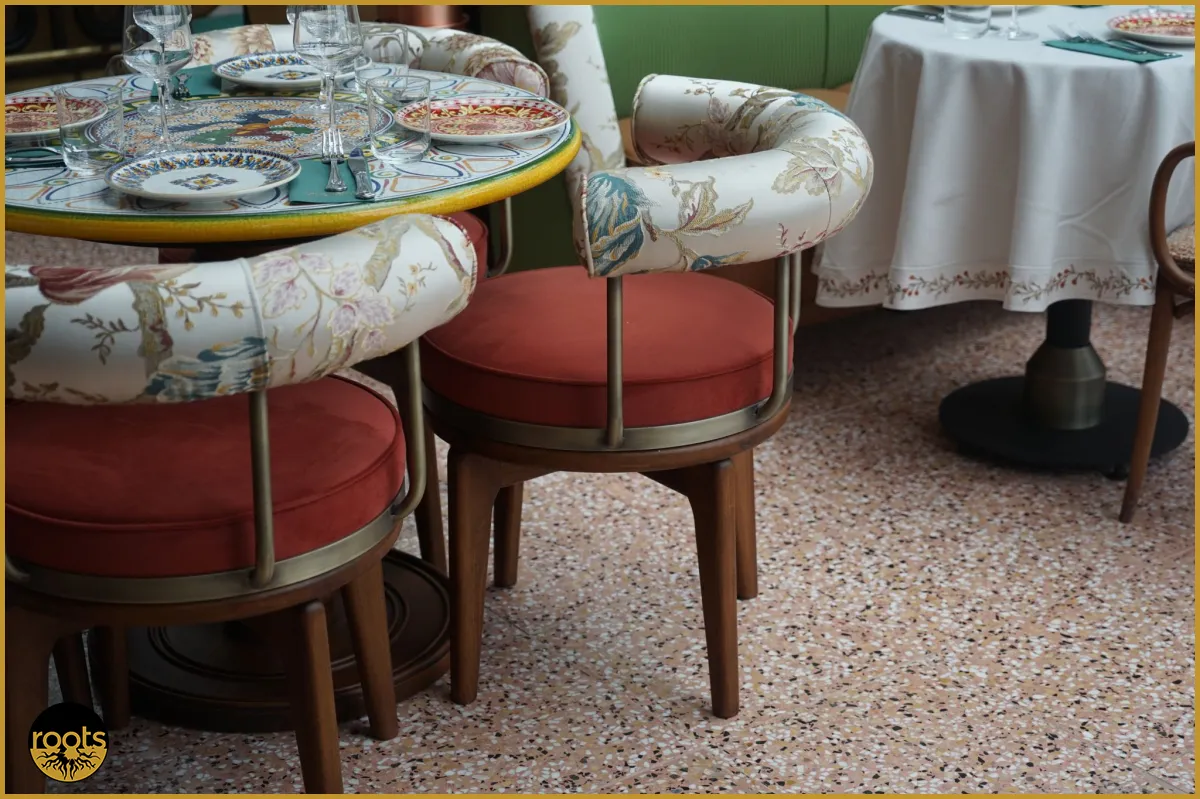
The Role of Restaurant Table and Chair Selection in Business Success
Furniture selection is one of the most fundamental elements that determine the atmosphere of a restaurant. Restaurant table chair models are not merely items that customers sit on, but strategic investment tools that reflect the identity of the business and directly affect customer comfort. The right furniture selection optimizes the time customers spend in the venue, the order amount and the likelihood of returning to the business.
The biggest difference of furniture to be used in commercial areas from household furniture is that it has industrial durability standards. These products, which are used by dozens of different people during the day, constantly cleaned and moved around, must have both high static balance and high surface strength.
Model Preferences According to Restaurant Concept
Each business has a different target audience and speed of service. This also determines the form of the tables and chairs to be selected:
- Fast Food and Self-Service Areas: Circulation is fast in these venues. Compact models that are easy to clean, light and ergonomic but do not allow too much spreading should be preferred. Generally, polycarbonate or metal-weighted models are at the forefront.
- Fine Dining (Stylish Restaurants): Long seating sessions are targeted. Therefore, upholstered chair models, wide seating areas and heavy tables such as solid wood or marble are preferred. Comfort takes precedence over design.
- Cafe and Bistro Areas: A more intimate and flexible structure prevails. The fact that square tables can be combined provides an advantage for hosting groups. Industrial designs with wood-metal combinations are popular in these areas.
Durability and Usage Analysis by Material Types
Choosing the right material reduces maintenance costs in the long term. Indoor and outdoor (garden/terrace) requirements are different from each other. The following table compares the basic features of the most preferred materials:
| Material Type | Area of Use | Durability Level | Cost Scale | Maintenance Requirement |
|---|---|---|---|---|
| Solid Wood | Indoor | High (Impact resistant) | High | Periodic varnish/maintenance |
| Metal / Aluminum | Indoor and Outdoor | Very High | Medium | Low (Easy to clean) |
| Marble / Werzalit | Indoor and Outdoor | High (Heat resistant) | Medium - High | Stain protection required |
| Polypropylene (Plastic) | Outdoor / Garden | Medium - High | Economical | Very Low |
Technical Details to Consider Before Purchasing
Focusing only on visuals when opening a new restaurant or renovating the decoration can lead to operational errors. The following criteria should be taken into consideration during the decision-making process:
- Ergonomics and Dimensional Compatibility: The height of a standard restaurant table is around 75-76 cm. The chair seat height should be 25-30 cm below the table. This difference provides a comfortable dining position.
- Floor-Friendly Feet: Chair and table feet must have plastic or rubber glides that do not scratch the floor and do not make noise.
- Stackability: Especially for event venues and outdoor businesses, the ability of chairs to stack on top of each other provides great convenience in terms of space saving and during cleaning.
- Fabric Quality: If an upholstered model is to be selected, it is critical that the fabric is easy to wipe clean and has high abrasion resistance (high Martindale test).
Distinguishing Aspects from Alternative Products
Restaurant-type furniture, unlike home furniture, undergoes static tests. A chair must be suitable for use perhaps 100 times a day, not 10-15 times. The quality of the weld points, the flex allowance of the frame and the UV resistance of the paint used are the key features that distinguish commercial models. In addition, thanks to modular systems, tables being able to be joined and separated allows the business to perform flexible capacity management.
Frequently Asked Questions
Which table top is more long-lasting for outdoor use?
Since outdoor areas are subject to factors such as sunlight, rain and humidity, indoor models are not suitable. Werzalit (compact), outdoor-resistant marble or electrostatically powder-coated metal tops are the most long-lasting options.
Which table shape should I choose for a small restaurant?
Square tables are the most ideal for small spaces. 70x70 cm or 80x80 cm dimensions provide enough space for two people while allowing tables to be placed side by side to form large groups when needed. Round tables, on the other hand, take up more space and cannot be joined.
When choosing chairs, should armchairs or armless chairs be preferred?
This is entirely related to the size of your space. Armchairs offer more comfort but may not fit fully under the table and take up more width. In narrow spaces, armless models increase capacity, while in spacious areas armchairs provide a prestigious look.
In conclusion, restaurant table chair selection is not just a purchasing process but a part of the experience the business offers to its guests. From material quality to ergonomics, from aesthetics to operational efficiency, every detail affects your long-term profitability. When determining your business's needs, keeping both your budget and your target audience's comfort expectations in balance will be the most accurate approach.











































































