The Strategic Importance of Restaurant Tables in Commercial Spaces
Selecting the right restaurant tables is more than just a furniture purchase; it is a strategic decision that directly influences guest comfort, operational efficiency, and the overall ambiance of a venue. In the competitive hospitality industry, the physical environment plays a crucial role in customer retention. Whether you are running a high-end fine dining establishment, a fast-paced cafe, or a casual bistro, your restaurant table models must align with your brand identity and functional requirements.
Tables serve as the central point of the dining experience. They define the flow of the room, determine the seating capacity, and must withstand the rigors of heavy daily use. This guide explores the various facets of professional table selection, from material science to ergonomic considerations, helping you make an informed investment.
Understanding Different Restaurant Table Models and Their Applications
Different dining concepts require specific table designs to meet their unique needs. The diversity in restaurant table models allows business owners to customize their space according to their target audience and service style.
- Standard Height Tables: Ideal for traditional dining settings where comfort and a relaxed atmosphere are priorities.
- Bar and Counter Height Tables: Perfect for creating a dynamic, social environment. These are often used in transition areas or pubs to facilitate quick service.
- Bistro and Café Tables: Usually smaller in size (square or round), designed to maximize seating in compact spaces while maintaining an intimate feel.
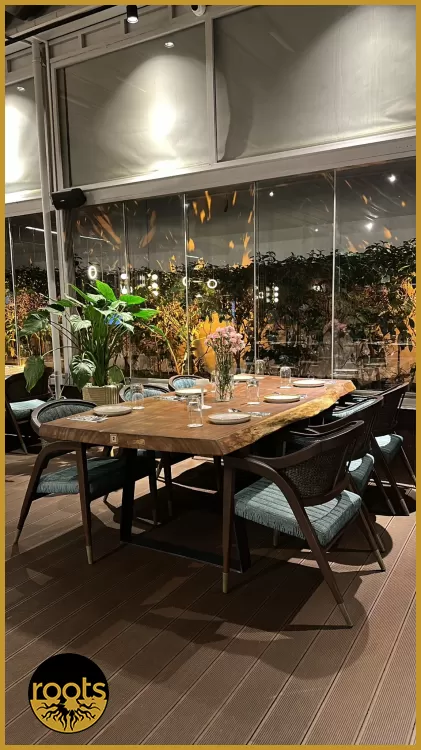
- Communal Tables: Large, rectangular models that encourage social interaction, often found in modern cafeterias or urban eateries.
Material Comparison: Durability, Aesthetics, and Cost
The choice of material is perhaps the most critical factor when evaluating restaurant tables. It affects everything from maintenance schedules to the long-term cost of ownership. Below is a comprehensive comparison of the most common materials used in professional settings.
| Material Type | Durability | Best Environment | Cost Level | Maintenance |
|---|---|---|---|---|
| Solid Wood | High | Indoor (Fine Dining) | High | Moderate (Requires Oil/Varnish) |
| Compact Laminate | Very High | Indoor / Outdoor | Moderate | Very Low (Wipe Clean) |
| Marble / Stone | Moderate (Porosity) | Indoor / Luxury | Very High | High (Stain Sensitive) |
| Werzalit | High | Outdoor / Cafeteria | Budget-Friendly | Low |
| Metal / Steel | Excellent | Industrial / Outdoor | Moderate | Low |
Key Factors to Consider Before Purchasing
Before finalizing your order for restaurant tables, it is essential to look beyond the visual appeal. A successful purchase involves a balance of ergonomics and technical specifications.
1. Space Optimization and Dimensions
The size of the table should be determined by the average group size of your guests. For example, a 70x70 cm square table is generally sufficient for two people, while 120x80 cm is standard for four. Ensure there is at least 45-60 cm of space between tables to allow for comfortable guest movement and efficient service by staff.
2. Stability and Table Base Engineering
A table is only as good as its base. In commercial environments, uneven floors can lead to "wobbly tables," which is a primary complaint for many customers. Selecting high-quality cast iron or reinforced aluminum bases with adjustable glides is vital for maintaining stability on any surface.
3. Indoor vs. Outdoor Suitability
If your establishment has a terrace or garden, you must choose restaurant table models specifically treated for outdoor use. UV resistance, moisture protection, and temperature stability are non-negotiable. Materials like compact laminate, treated teak, or powder-coated metal are the preferred choices for longevity under the sun and rain.
Why Invest in Professional Commercial Furniture?
While residential furniture might seem like a cost-effective alternative, it rarely survives the demands of a commercial environment. Restaurant tables are engineered to handle constant cleaning chemicals, high turnover rates, and heavy weight. The differentiation lies in the structural integrity and safety certifications that commercial-grade furniture provides.
Frequently Asked Questions
Q: What is the most durable table top for a high-traffic café?
A: Compact laminate is highly recommended for high-traffic areas due to its scratch resistance, heat resistance, and waterproof nature. It is extremely difficult to damage and very easy to sanitize.
Q: How do I choose between round and square tables?
A: Square tables offer more flexibility as they can be pushed together to accommodate larger groups. Round tables, however, improve traffic flow and encourage conversation, making them better for social, intimate settings.
Q: Should I buy the table top and base separately?
A: Many commercial suppliers offer them separately to allow for customization. This allows you to pair a heavy-duty base with a specific aesthetic top that matches your interior design.
Final Checklist for Your Purchase Decision
To ensure you choose the best restaurant tables for your business, follow these summary points:
- Verify if the material is scratch and heat resistant to withstand daily operations.
- Check the weight capacity of the table base to prevent tipping hazards.
- Ensure the edge finish is smooth to prevent guest injuries or clothing snags.
- Match the table height (standard is approx. 75 cm) with your existing chairs for proper ergonomics.
- Consider the ease of cleaning; porous materials may require more labor and specialized chemicals.
By focusing on these professional criteria, you can select restaurant table models that not only enhance the visual appeal of your space but also provide a long-lasting, functional foundation for your business's success.