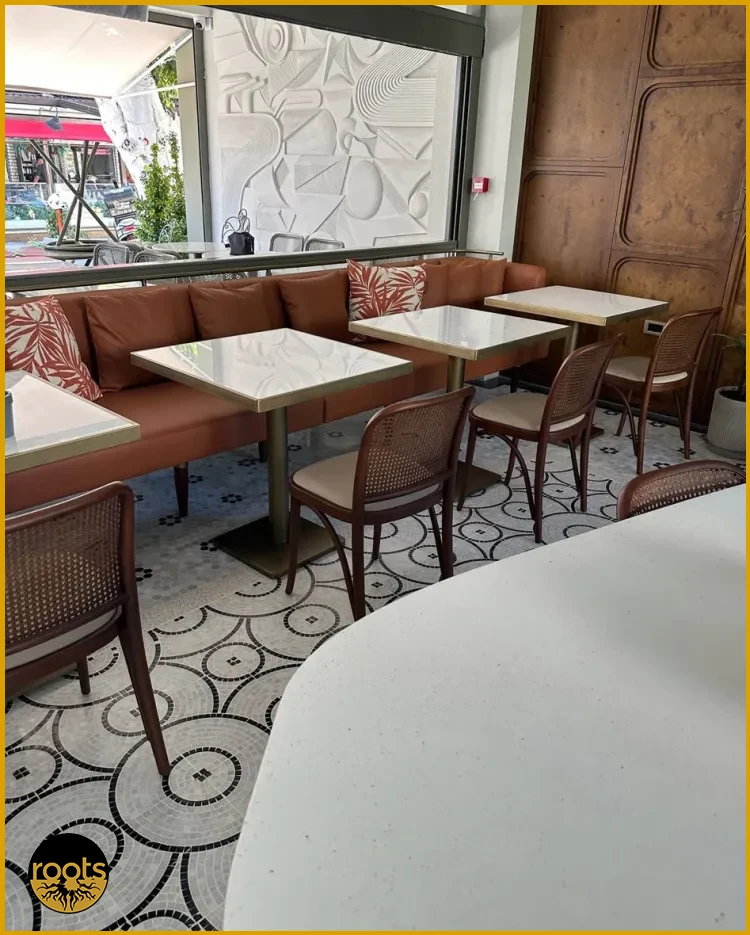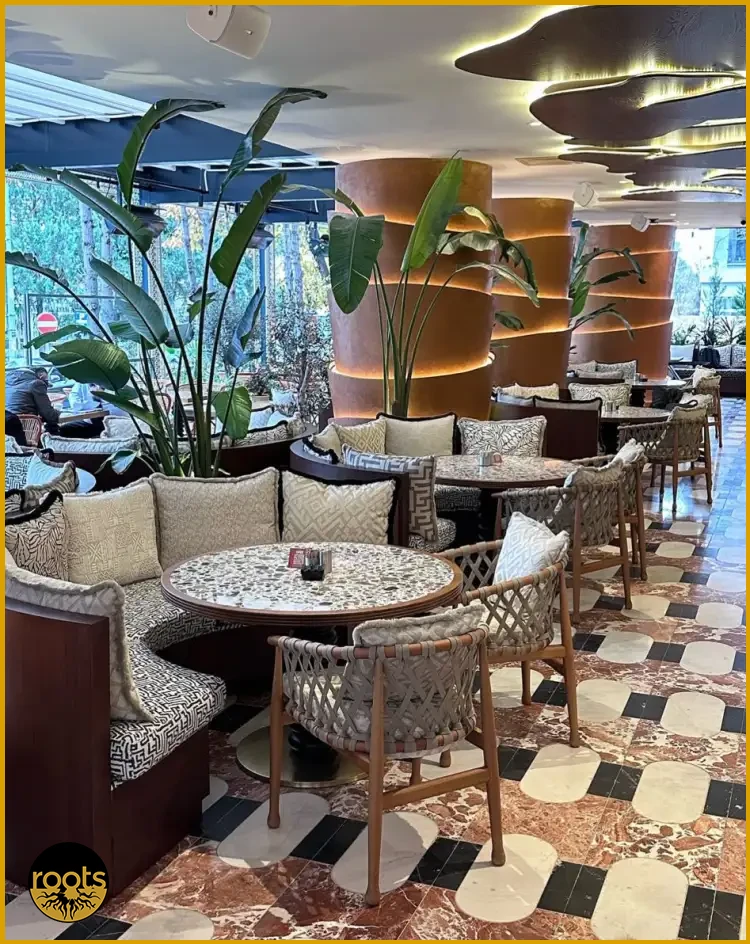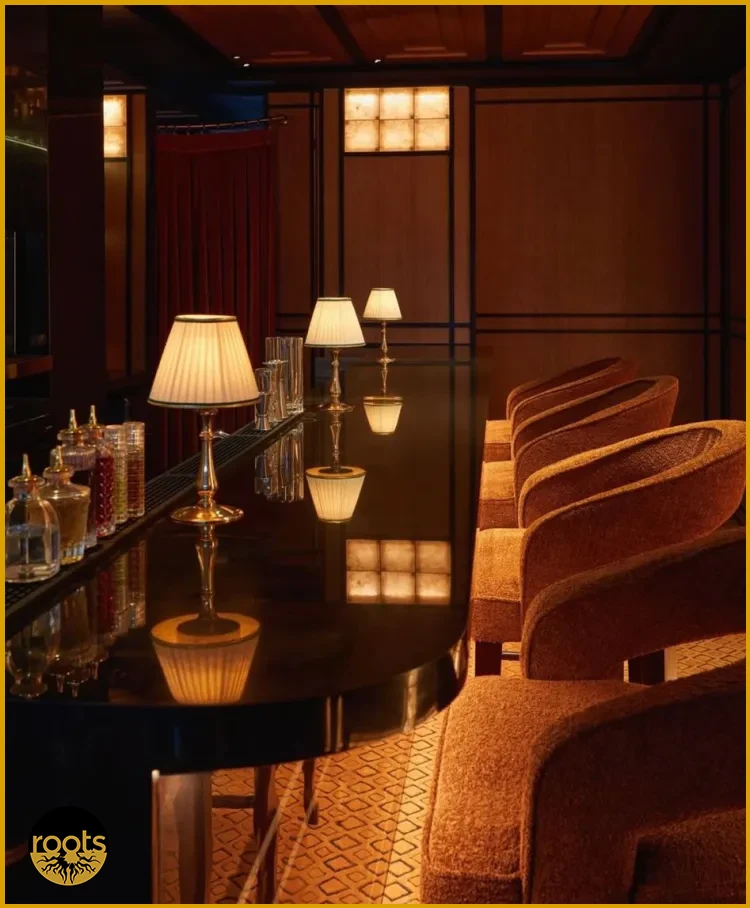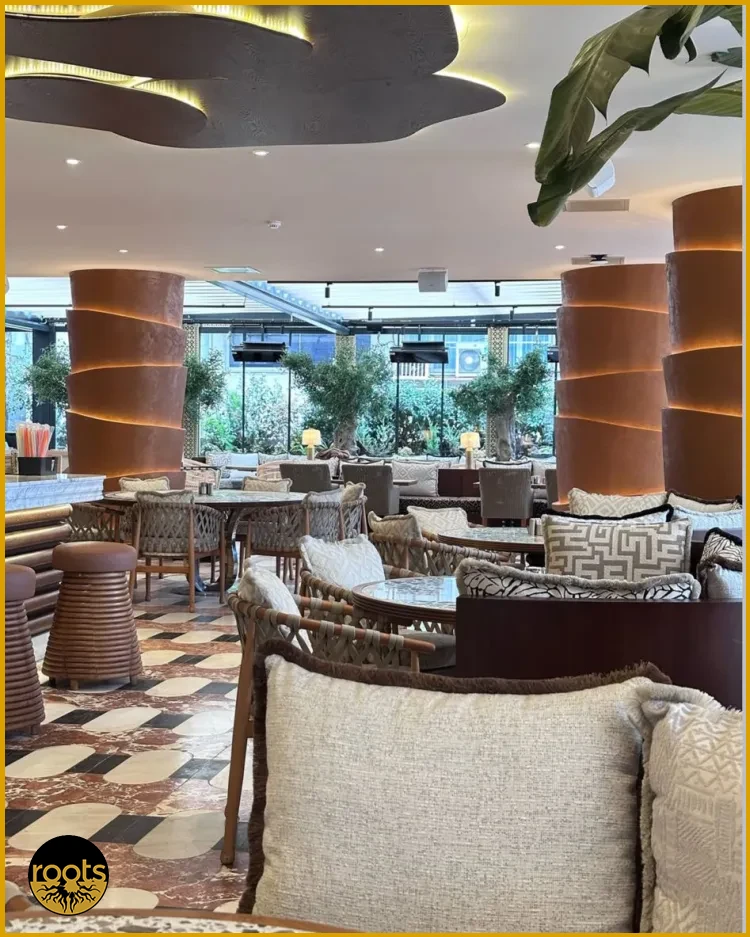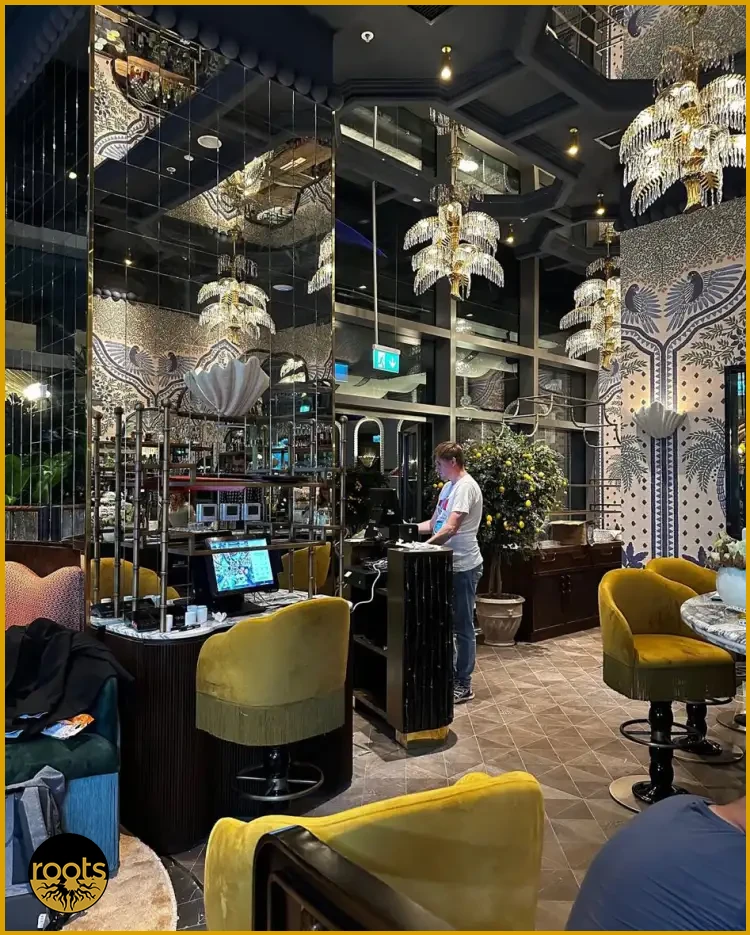
Retro Interior Architecture Restaurant Designs: Warmth from the Past and an Authentic Experience
Within today's rapidly changing trends, the longing for the warmth and sincerity of nostalgia is also reflected in space designs. Especially in the food and beverage sector, retro interior architecture restaurant designs offer customers both a visual feast and the promise of a timeless experience. These styles of design create unique atmospheres by combining traces of the past with modern touches.
What Is Retro Design and Why Should It Be Preferred?
Retro design is a movement that generally reinterprets the aesthetic elements of a particular era and brings them into the present. In restaurants, this can often include the distinctive stylistic features of the 1950s, 1960s, 1970s or 1980s. These features include:
- Distinctive color palettes: Pastel tones, vivid retro colors or earth tones.
- Furniture and lighting choices: Iconic furniture designs of the era, geometrically patterned lamps.
- Use of materials: Balanced use of materials such as wood, metal, chrome, vinyl and velvet.
- Patterns and textures: Vintage-patterned wallpapers, rugs and fabrics.
- Artistic and decorative objects: Records, posters, old photographs or objects from the era.
A retro-designed restaurant offers customers a unique and unforgettable atmosphere far from the ordinary. This can attract the interest of both locals and tourists. A nostalgic ambience creates a relaxing and sincere environment, encouraging guests to stay longer.
Who Is It Suitable For?
Retro interior architecture restaurant designs can appeal to a wide target audience:
- Those who love the aesthetics of the past: Individuals who appreciate nostalgia and timeless designs.
- Those seeking something different: Those who are bored with standard chain restaurants and want to have an authentic experience.
- Those interested in a particular era: For example, those who embrace the rock 'n' roll spirit of 50s America or the libertarian style of the 70s.
- Social media users: Those looking for visually attractive spaces that are suitable for photography.
What Needs Does It Meet?
These styles of design can meet various needs:
- Creating a unique brand identity: It enables the restaurant to differentiate itself from its competitors.
- Creating customer loyalty: It encourages repeat visits by offering an unforgettable experience.
- An atmospheric dining experience: It offers a wholeness in which not only the food but also the space is a part of it.
- Suitability for special events: It prepares an ideal ground for themed parties, celebrations or shoots.
In Which Situations Should It Be Preferred?
Retro designs can be a strong choice, especially in the following situations:
- Concept-focused restaurants: Businesses shaped around a particular cuisine or theme. For example, classic American diners, vinyl bar concept venues or retro cafe concepts.
- Meeting the expectations of the target audience: If your target audience loves nostalgia and originality.
- The need for differentiation: When you want to stand out in a highly competitive market.
- As part of the venue's history: If your restaurant is located in a historic building and you want to emphasize this historic texture.
In What Ways Does It Differ from Its Alternatives?
Retro design has distinct differences from other popular design movements such as modern minimalism, industrial or rustic:
- Modern Minimalism: While it focuses on clean lines and few elements, retro designs generally have more layers, patterns and colors.
- Industrial Design: While raw materials, exposed pipes and metal elements are at the forefront, retro design blends these elements with a warmer and more colorful palette.
- Rustic Design: While it creates a rural atmosphere with elements such as natural wood and stone, retro designs mostly reflect the urban or popular culture aesthetics of a particular era.
The distinguishing feature of retro design is that it combines the aesthetic elements of a particular period of the past with today's standards through an ironic or nostalgic approach.
Things to Consider in Material Selection: Bootstrap Table
In retro restaurant designs, material selection is of critical importance for the integrity of the atmosphere and for durability. The following table compares some frequently used retro design materials in terms of durability, area of use and cost:
| Material Type | Durability | Interior/Exterior Architectural Use | Cost | Contribution to Retro Atmosphere |
|---|---|---|---|---|
| Vinyl (Upholstery/Coating) | High | Interior (suitable for intensive use) | Medium | 1950s and 60s diner atmosphere, colorful and glossy surfaces. |
| Chrome and Polished Metal (Furniture/Accessory) | Medium-High | Interior | Medium-High | Reflects the futuristic and stylish look of the modernizing era. |
| Wood (Veneer/Furniture) | Medium-High (depending on processing) | Interior and exterior (with appropriate varnish/processing) | Variable (depending on material type) | Emphasizes naturalness, warmth and the woodwork of different eras. |
| Velvet and Patterned Fabrics (Upholstery/Curtain) | Medium | Interior | Medium-High | A luxurious, warm and inviting atmosphere, representing the fashion and art movements of the era. |
| Bakelite and Hard Plastics (Accessory/Lighting) | Medium | Interior | Low-Medium | Evokes the iconic designs and colors of specific eras. |
| Enamel (Lighting/Decoration) | High | Interior | Medium | Adds an industrial aesthetic and vintage industrial look. |
Frequently Asked Questions (FAQ)
Which eras are more popular for retro restaurant design?
How can I blend retro design with modern restaurants?
Which lighting types support the retro atmosphere?
How should music selection be in a retro restaurant?
Can you give information about the colors used in a retro-designed restaurant?
Things to Consider Before Purchasing
Paying attention to the following points before starting a retro restaurant design project or creating a concept in this direction ensures that the process is smoother and more successful:
- Target Audience Analysis: Understanding well the demographic group the design will appeal to and their expectations.
- Budget Planning: Determining material, furniture, lighting, decoration and labor costs in detail.
- Period Research: Researching in depth the distinctive aesthetic features, colors, furniture and popular culture of the chosen period.
- Structure of the Space: The existing physical features of the restaurant (area size, ceiling height, natural light, etc.) must be compatible with the design elements to be chosen.
- Functionality and Ergonomics: In addition to aesthetics, not disregarding functional requirements such as kitchen efficiency, customer comfort and employee convenience.
- Material Quality and Maintenance: The durability, ease of cleaning and longevity of the chosen materials directly affect the business's costs and workload.
- Professional Support: Getting support from interior architects or design consultants can help bring the vision to life correctly.
- Originality and Authenticity: Rather than just a copied design, giving the space a unique character by adding your own interpretation.
Retro Interior Architecture Restaurant Designs have the potential to offer your guests an unforgettable experience by bringing the warmth and character of the past into the present. With the right planning, careful material selection and an original approach, it is possible to create spaces that are both visually striking and commercially successful.