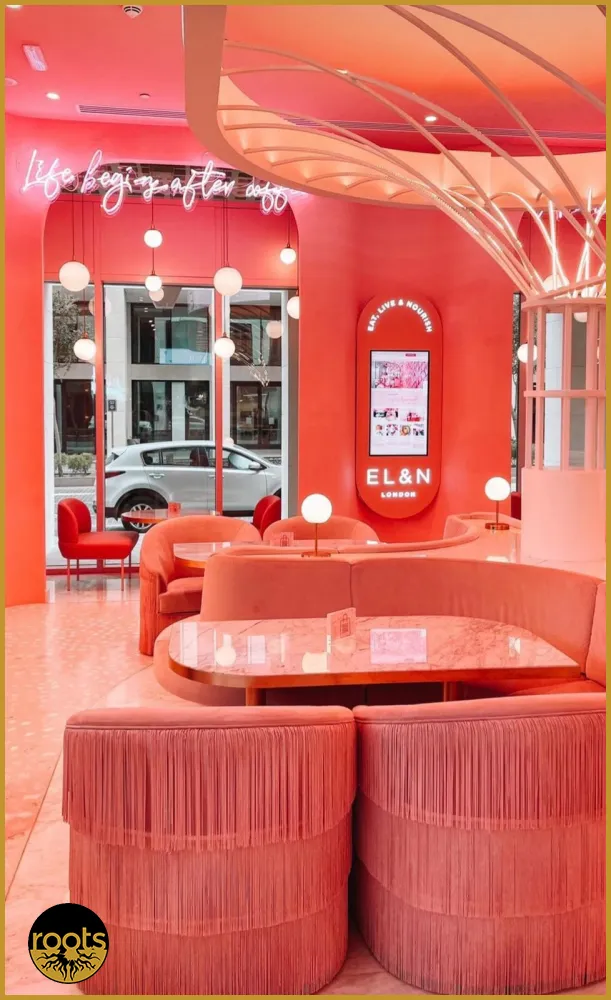
Small cafe decoration ideas - Boutique cafe designs
Running a cafe in a small space is an exciting journey that requires creativity and proper planning. Regardless of the size of the venue, the key to offering your guests an unforgettable experience is an effective small cafe decoration and a carefully designed boutique cafe atmosphere. This guide provides comprehensive information to help you maximize your business's potential.
Basic Principles in Small Cafe Decoration
The purpose of decoration in small spaces is to make the area look spacious and inviting while keeping functionality at the forefront. Here are the basic principles you should pay attention to:
- Space Analysis: The first step is to analyze the existing space in detail. Factors such as daylight, natural flow and seating capacity should be evaluated.
- Determining a Concept: Determining a cafe concept that reflects your business's identity ensures that the decoration is consistent. This can be modern, vintage, industrial or rustic.
- Color Palette: While light colors make the space look larger, well-chosen accent colors can add depth.
- Lighting: Both general lighting and local lighting that creates atmosphere are of great importance.
- Furniture Selection: Functional, compact and aesthetic furniture should be preferred.
Things to Consider in Boutique Cafe Design
Boutique cafe designs generally aim for a unique style, personal touches and a distinctive customer experience. For small businesses, this is one of the most effective ways to stand out in competition.
- Originality: Add details specific to your venue, far from the ordinary. These can be artworks, handmade objects or custom-designed furniture.
- Customer Comfort: Not only aesthetics but also the comfort of the seating arrangement and the adequacy of the distance between tables are important.
- Brand Identity: The design should reflect your brand's story and values. The menu, staff uniforms and even packaging should all serve this integrity.
- Functionality: Operational areas such as the kitchen area, service point and restrooms must also be functional within the design integrity.
Which Needs Does It Meet?
Small cafe decoration and boutique cafe design meet the following needs:
- Optimization of the Space: It creates maximum seating capacity and movement area by using the limited square meters in the most efficient way.
- Customer Experience: It offers a pleasant and memorable environment that will make your guests comfortable.
- Brand Perception: It ensures that your business projects a professional, aesthetic and meticulous image.
- Competitive Advantage: It helps you differentiate from your competitors with your unique design.
- Operational Convenience: The design allows your staff to work more comfortably and efficiently.
In Which Situations Should It Be Preferred?
Such decoration approaches are ideal especially for the following situations:
- When your existing cafe area is narrow and a more spacious appearance is desired.
- When opening a new cafe and you want to create a brand-specific and memorable identity.
- When you want to increase customer appeal by renewing the decoration of your existing cafe.
- When you aim to create a loyal customer base by offering a boutique and intimate atmosphere.
- When you want to successfully implement a specific concept in your venue (for example, a book cafe, an art gallery cafe).
In What Ways Does It Differ from Alternatives?
Compared to standard or ordinary cafe designs, small cafe decoration and boutique cafe designs stand out in the following ways:
- Customized Solutions: It offers personalized solutions by evaluating every corner of the venue.
- Detail Orientation: The importance given to small details enriches the overall atmosphere.
- Customer Loyalty: It encourages guests to return by offering unique experiences.
- Revealing the Potential of the Space: The ability to make even narrow areas spacious and practical.
- Storytelling: The design tells the story and philosophy of the brand.
What Should Be Considered in Material Selection?
Material selection is of great importance in terms of both aesthetics and durability. Here is a comparison of common material types:
| Material Type | Durability | Area of Use (Interior/Exterior Architecture) | Cost | Features |
|---|---|---|---|---|
| Wood | Medium-High (depending on processing) | Interior Architecture (tables, chairs, wall coverings, floors) | Medium-High | Creates a natural, warm atmosphere. May require maintenance. |
| Metal | High | Interior and Exterior Architecture (table legs, chair frames, shelves, lighting) | Medium-High | Suitable for industrial and modern styles. Easy to clean. |
| Concrete/Micro Concrete | High | Interior Architecture (counters, floors, walls) | Medium | Ideal for modern, minimalist and industrial looks. |
| Natural Stone | Very High | Interior and Exterior Architecture (walls, floors, counters) | High | A luxurious and durable option. May be heavy. |
| Ceramic/Porcelain Tile | High | Interior and Exterior Architecture (floors, walls, backsplashes) | Low-Medium | Offers various pattern and color options. Easy to clean. |
| Glass | Medium (potential for fragility) | Interior Architecture (tabletops, partition panels, decorative objects) | Medium | Adds spaciousness to the space. Cleaning may require care. |
User Questions and Answers
Decoration Styles and Applications
Different decoration styles can give your small cafe a unique identity:
- Modern and Minimalist: Focuses on clean lines, neutral colors and a few but striking decor pieces. Functionality is at the forefront.
- Vintage and Retro: Creates a cozy atmosphere with nostalgic furniture, old posters, and the popular colors and accessories of the era.
- Industrial: Characterized by raw materials (metal, wood, concrete), exposed pipes, leather details and industrial lighting.
- Bohemian: Offers a free and artistic atmosphere with different textures, vibrant colors, plants, ethnic patterns and comfortable seating.
- Rustic: Evokes a rural or natural feel with natural wood, stone, earth tones, plants and comfortable furniture.
Things to Consider Before Purchasing
When choosing materials, furniture or accessories for cafe decoration, you should pay attention to the following points:
- Dimensions of Your Space: The size of every product you buy will affect the overall flow and comfort of your space.
- Durability and Maintenance: Materials suitable for intensive use, easy to clean and long-lasting should be preferred.
- Budget: Prioritizing is important to avoid exceeding the budget you have allocated for decoration.
- Concept Compatibility: Every product you choose should be compatible with the overall cafe concept you have determined.
- Safety: Especially when choosing furniture, it is important to avoid sharp corners and use non-slip flooring solutions.
- Ergonomics: Furniture and arrangements should be chosen that will make both your customers and your staff comfortable.
A small cafe space has great potential with your creativity. With the right planning, a unique concept and attention to detail, you can create an unforgettable venue that will enchant your guests.











































































