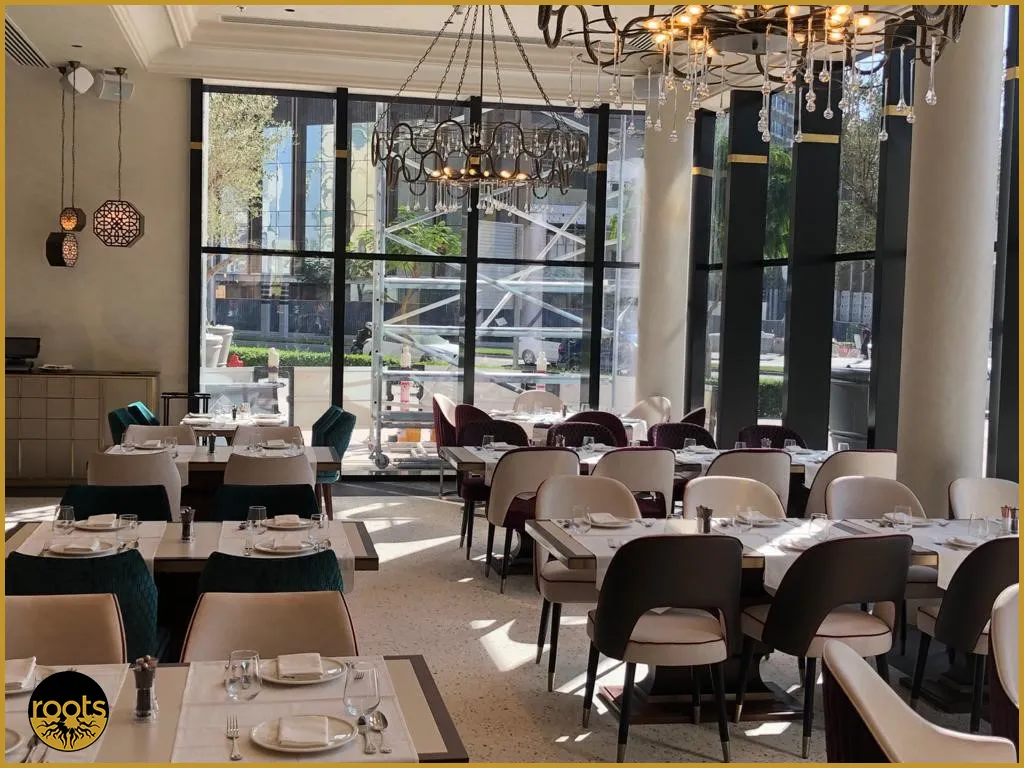
Architectural Restaurant Design and Interior Strategies
The success of a restaurant is directly related not only to the quality of the menu it offers but also to the physical experience it provides to its customers. Architectural restaurant design expresses far more than an aesthetic concern; it is a flawless combination of operational efficiency, brand identity and guest comfort. A well-planned interior design helps a business increase customer loyalty and optimize its operational costs.
Functionality and Customer Experience in Restaurant Design
A good restaurant design begins with analyzing the "flow" of the space. All movements of customers, from the moment they enter the door to being seated at the table, from access to the restroom to the payment point, must be constructed within the framework of a strategic circulation plan. At the same time, the service staff's routes from the kitchen to the table must be designed so that they are not interrupted even during busy hours.
Zoning (Partitioning) is the art of dividing a large space into more intimate and manageable areas. The visual and auditory connection of areas with different functions, such as open kitchen concepts, bar areas and private VIP sections, determines the overall atmosphere of the space.
Why Should a Professional Interior Architectural Design Be Preferred?
- Materialization of Brand Identity: Design narrates the culinary culture the restaurant offers (for example, Italian, Far Eastern or modern fusion) through visual language.
- Ergonomics and Comfort: Details such as the height of the tables, the back support of the chairs and the intensity of the lighting directly affect the time the customer spends in the space.
- Technical Infrastructure Integration: Ventilation, air conditioning and acoustic solutions are integrated with the aesthetic design.
- Space Optimization: Increasing the number of seats per square meter while not losing the feeling of spaciousness requires professional planning.
Material Selection: The Balance of Durability and Aesthetics
Restaurants are areas where human traffic is very intense and cleaning chemicals are used frequently. For this reason, it is of critical importance that the materials preferred both look stylish and are resistant to wear. In the table below, you can find a comparison of the types of materials frequently used in restaurant designs:
| Material Type | Durability | Area of Use | Cost Scale |
|---|---|---|---|
| Solid Wood | Medium / High | Furniture, Flooring | High |
| Natural Stone / Marble | High | Countertop, Wall Cladding | High |
| Stainless Steel | Very High | Kitchen, Modern Details | Medium / High |
| Laminate / Composite | High | Table Tops | Low / Medium |
| Epoxy Floor | Very High | All Floor Areas | Medium |
Lighting and Acoustic Planning
Lighting design is the most powerful tool that manages the mood of a restaurant throughout the day. While making maximum use of natural light during the day, a warmer and dimmer ambiance should be preferred in the evening hours. While "accent" lighting focused on the table highlights the visual presentation of the food, the general space lighting should not strain the eyes.
Acoustic control, on the other hand, is one of the factors that is generally overlooked but most affects customer satisfaction. The echo that occurs in spaces with high ceilings and hard surfaces makes it difficult for customers to hear each other. Sound insulation should be provided and noise pollution prevented by using acoustic panels, fabric coverings or ceiling baffles.
Things to Consider Before Purchasing and Design
Evaluating the following points before starting to work with an architectural office or design team will facilitate your decision process:
- Target Audience Analysis: Who will your venue appeal to? Young professionals, families, or a fast-consumption-oriented audience?
- Budget Planning: A clear budget limit should be set for the design and implementation phases, and hidden costs (plumbing renovation, etc.) should be taken into account.
- Kitchen and Dining Area Balance: How much of the total area will be allocated to the kitchen and how much to the service area should be decided with technical teams based on the menu scope.
- Local Regulations: Legal requirements such as fire exits, disabled access and kitchen ventilation standards should be included in the project from the very beginning.
Frequently Asked Questions
How long does the restaurant design process take on average?
Depending on the size of the project and the level of detail, the design phase can range from 2 to 4 weeks, and the implementation phase from 2 to 4 months.
Is it costly to convert an old building into a restaurant?
Since electrical and plumbing systems in old buildings generally need to be completely renewed, infrastructure costs may be higher compared to a new venue. However, these buildings have the advantage of offering a unique atmosphere.
Is open kitchen design suitable for every type of restaurant?
Open kitchens provide transparency and trust, but odor and sound management must be handled professionally. In fine-dining concepts, semi-open or closed kitchens are generally preferred.
In conclusion, restaurant interior designs require not only aesthetics but also a mathematical layout and operational logic. Spaces combined with the right materials, well-constructed lighting and ergonomic planning create long-term value for both business owners and guests.











































































